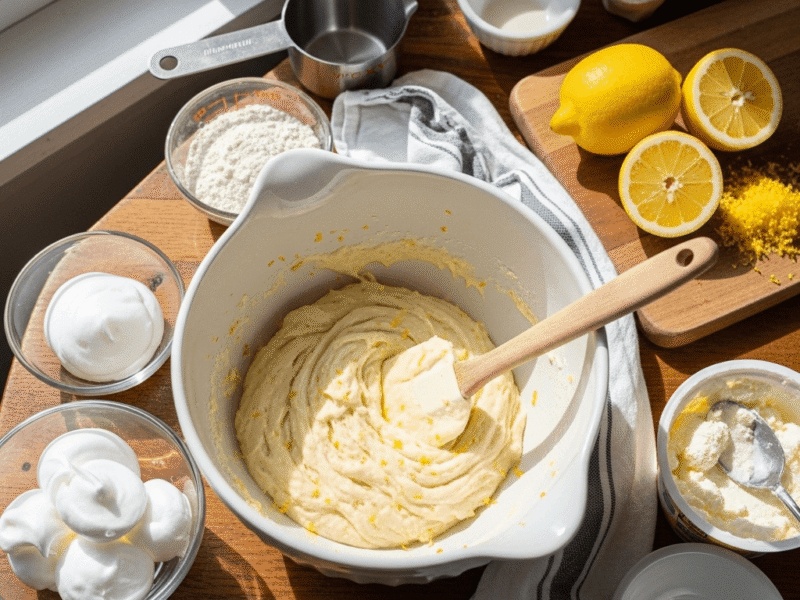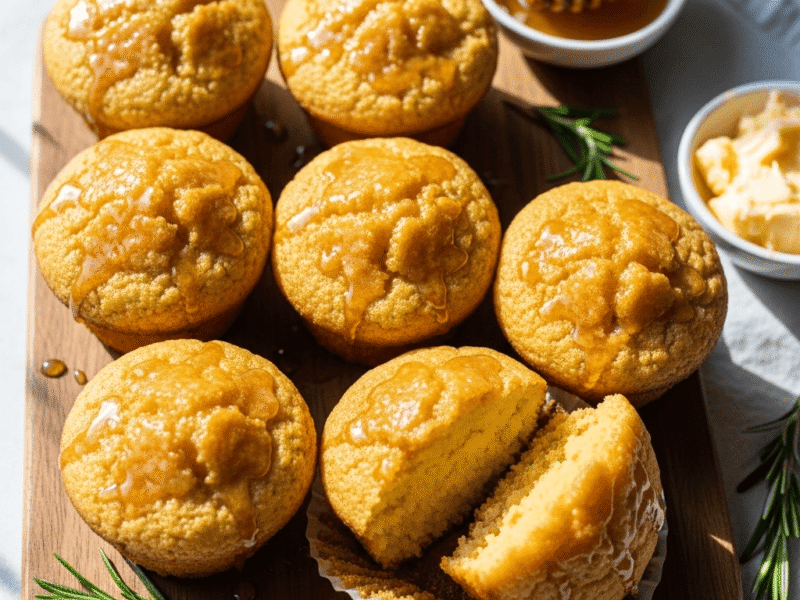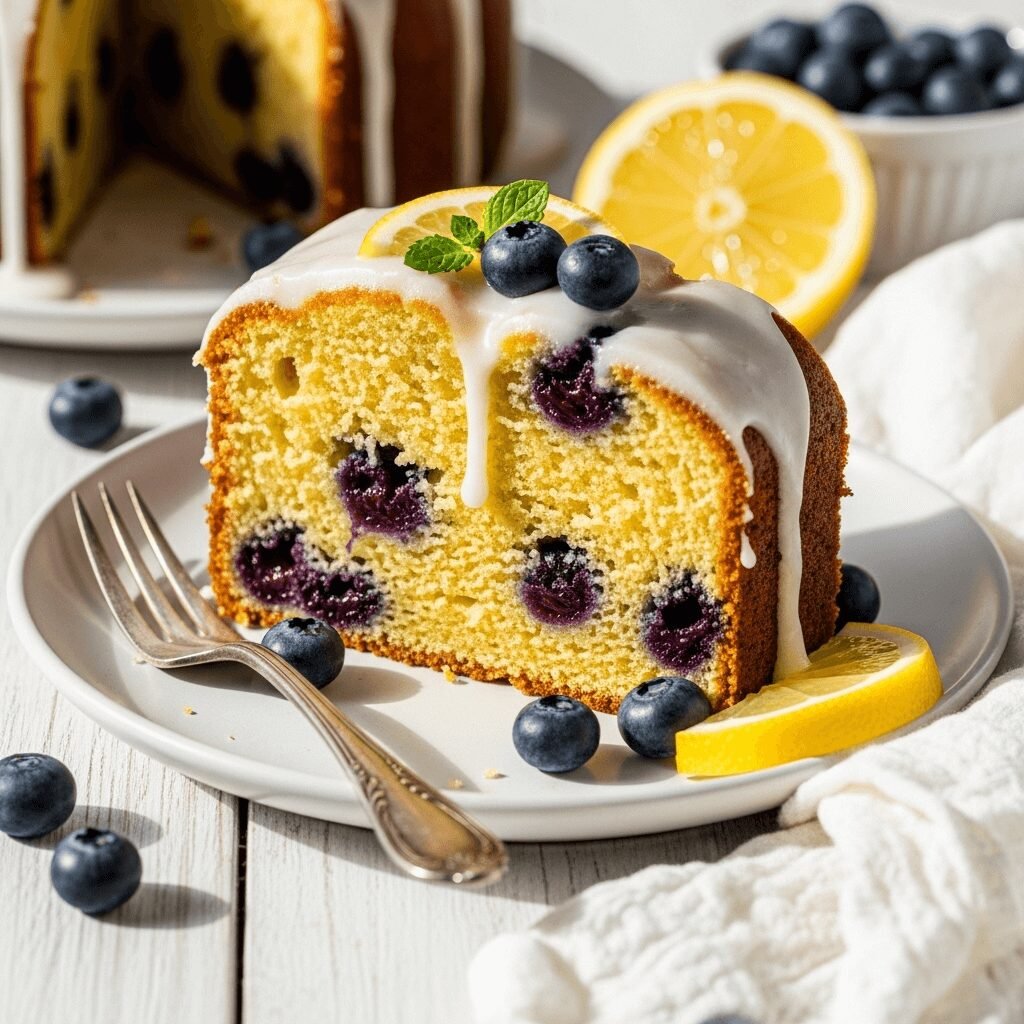

There’s something magical about the combination of bright, zesty lemon and sweet, juicy blueberries baked into a rich, buttery pound cake. This Lemon Blueberry Pound Cake is the perfect dessert for any occasion—whether you’re hosting a spring brunch, celebrating a birthday, bringing a treat to a potluck, or simply craving something sweet with your afternoon coffee. The dense, velvety crumb of classic pound cake gets a refreshing upgrade with tangy lemon zest and bursts of fresh blueberries in every slice.
What makes this recipe truly special is how it balances indulgence with brightness. Traditional pound cake can sometimes feel heavy, but the addition of lemon juice and zest cuts through the richness, creating a perfectly balanced dessert that feels both comforting and refreshing. The blueberries add natural sweetness and beautiful pops of color, making each slice as gorgeous as it is delicious.
This cake is ideal for Mother’s Day celebrations, Easter gatherings, baby showers, summer picnics, or any time you want to impress guests with minimal effort. It’s also wonderful as a hostess gift—just wrap it in parchment paper and tie it with a pretty ribbon! Best of all, this recipe uses simple pantry ingredients and comes together in about an hour and a half from start to finish.
History & Background
Pound cake has a fascinating history that dates back to the early 1700s in Northern Europe. The name comes from the traditional recipe formula: one pound each of butter, sugar, eggs, and flour. This simple 1:1:1:1 ratio made the recipe incredibly easy to remember in an era before standardized measurements and printed cookbooks were common in home kitchens.
The original pound cakes were dense, rich, and made without any leavening agents—they relied entirely on the air beaten into the butter and eggs for their rise. As baking evolved and ingredients like baking powder became available, bakers began adapting the classic formula to create lighter, more tender versions while still maintaining that characteristic fine, tight crumb that defines a true pound cake.
The American South embraced pound cake wholeheartedly, and it became a staple at church socials, family gatherings, and celebrations throughout the region. Southern bakers developed countless variations, adding flavors like vanilla, almond, cream cheese, sour cream, and citrus. The addition of fruit to pound cake—particularly berries—became especially popular in the spring and summer months when fresh fruit was abundant.
Lemon blueberry pound cake specifically emerged as a favorite combination because the flavors complement each other so beautifully. Lemons and blueberries are both at their peak during overlapping seasons, and their flavor profiles create a perfect balance of tart and sweet. This pairing has become particularly beloved in coastal regions and areas where blueberries grow prolifically, from Maine to the Pacific Northwest.
Today, this classic combination remains one of the most searched-for and pinned dessert recipes, especially among home bakers who want something impressive yet approachable. It represents the perfect marriage of tradition and flavor innovation—honoring the heritage of pound cake while celebrating seasonal ingredients.
Why You’ll Love This Recipe
This Lemon Blueberry Pound Cake is about to become your go-to dessert recipe for countless occasions. It delivers bakery-quality results with straightforward home baking techniques, making it accessible even for less experienced bakers while still impressive enough to serve at special gatherings.
The texture is absolutely divine—dense and buttery like a traditional pound cake should be, but with a tender crumb that practically melts in your mouth. Each bite delivers bright lemon flavor that awakens your taste buds, followed by the sweet burst of juicy blueberries. The contrast between the rich, buttery cake and the fresh fruit creates an eating experience that feels both indulgent and refreshing.
Here’s why you’ll make this recipe again and again:
- Simple ingredients you probably already have – No exotic or expensive items required, just quality basics from your pantry
- Impressive presentation with minimal effort – This cake looks absolutely stunning with minimal decorating needed
- Perfect for any season – While especially popular in spring and summer, it’s delicious year-round (frozen blueberries work beautifully too!)
- Great for gifting – Wrap a few slices for neighbors, teachers, or friends and watch their faces light up
- Stays moist for days – The high butter content and lemon glaze keep this cake incredibly fresh and tender
- Freezer-friendly – Make ahead and freeze for up to three months without any loss of quality
- Versatile serving options – Delicious on its own, with whipped cream, alongside tea or coffee, or even warmed slightly with vanilla ice cream
- Crowd-pleaser guaranteed – The familiar flavors appeal to both kids and adults, making it perfect for family gatherings
- Not overly sweet – The lemon provides brightness that prevents this dessert from being cloying
- Beginner-friendly technique – If you can cream butter and sugar, you can make this cake successfully
Ingredient Notes
Understanding your ingredients is the key to baking success. Here’s what you need to know about each component and how to make smart substitutions if necessary.
Unsalted Butter: The foundation of any great pound cake. Use high-quality butter at room temperature (around 65-70°F) for proper creaming. Unsalted allows you to control the salt level. If you only have salted butter, reduce the added salt by half.
Granulated Sugar: Creates the structure and sweetness. Don’t substitute with other sweeteners as the granulated texture is essential for proper creaming with the butter, which creates air pockets for lift.
Eggs: Provide structure, richness, and help bind everything together. Large eggs are standard. They should be at room temperature to incorporate smoothly. Cold eggs can cause the batter to curdle.
All-Purpose Flour: The structural backbone. Spoon and level your flour rather than scooping directly from the bag to avoid dense, heavy results. Cake flour can be substituted for an even more tender crumb.
Fresh Lemons: Both the zest and juice are essential. Use fresh lemons, not bottled juice—the flavor difference is dramatic. You’ll need about 2-3 medium lemons total.
Fresh or Frozen Blueberries: Fresh berries provide the best texture, but frozen work well too. If using frozen, don’t thaw them before adding to prevent color bleeding. Toss in a tablespoon of flour to help prevent sinking.
Sour Cream or Greek Yogurt: Adds moisture and tenderness while providing a subtle tang that complements the lemon. Full-fat versions work best. Buttermilk can substitute in equal amounts.
Vanilla Extract: Enhances all the other flavors. Use pure vanilla extract, not imitation.
Baking Powder: Provides a little extra lift beyond what the creaming method provides. Make sure yours is fresh (test by mixing a pinch with hot water—it should bubble vigorously).
Salt: Balances sweetness and enhances all the other flavors. Don’t skip it!
Powdered Sugar (for glaze): Creates a sweet, glossy finish that also helps seal in moisture.
Equipment Needed
Having the right tools makes baking so much easier and more enjoyable. Here’s everything you’ll need for this recipe:
- 9×5-inch loaf pan – Standard size works perfectly; dark pans may require slightly reduced temperature
- Stand mixer or electric hand mixer – Essential for properly creaming the butter and sugar
- Large mixing bowls – At least two for separating wet and dry ingredients
- Medium mixing bowl – For the glaze
- Measuring cups and spoons – Accurate measurements are crucial in baking
- Kitchen scale (optional but recommended) – For most precise measurements
- Microplane or zester – For getting fine lemon zest without the bitter white pith
- Citrus juicer – Makes extracting lemon juice much easier
- Rubber spatula – For folding in blueberries and scraping down bowl sides
- Wire cooling rack – Allows air circulation for even cooling
- Parchment paper – Makes removing the cake from the pan foolproof
- Toothpick or cake tester – For checking doneness
- Whisk – For combining dry ingredients and making the glaze
- Pastry brush (optional) – For applying glaze evenly

Lemon Blueberry Pound Cake Recipe
- Total Time: 1 hour 30 minutes
- Yield: 10-12 slices 1x
- Diet: Vegetarian
Description
This moist and tender Lemon Blueberry Pound Cake features a buttery crumb studded with juicy blueberries and bright lemon flavor in every bite. Topped with a sweet lemon glaze, it’s the perfect dessert for any occasion from spring brunches to summer picnics.
Ingredients
For the Cake:
- 1 cup (2 sticks / 226g) unsalted butter, softened to room temperature
- 2 cups (400g) granulated sugar
- 4 large eggs, room temperature
- 3 cups (375g) all-purpose flour
- ½ teaspoon baking powder
- ½ teaspoon salt
- 1 cup (240ml) sour cream or full-fat Greek yogurt, room temperature
- 2 tablespoons fresh lemon zest (from about 2 large lemons)
- ¼ cup (60ml) fresh lemon juice
- 2 teaspoons pure vanilla extract
- 1½ cups (225g) fresh or frozen blueberries (if frozen, do not thaw)
- 1 tablespoon all-purpose flour (for tossing blueberries)
For the Lemon Glaze:
- 1½ cups (180g) powdered sugar
- 3-4 tablespoons fresh lemon juice
- 1 teaspoon lemon zest
Instructions
- Prepare your pan and preheat: Preheat your oven to 350°F (175°C). Grease a 9×5-inch loaf pan generously with butter or non-stick spray, then line the bottom and long sides with a strip of parchment paper, leaving overhang on the sides for easy removal. This double insurance prevents sticking.
- Cream butter and sugar: In a large bowl using a stand mixer or hand mixer, beat the softened butter on medium speed for about 1 minute until smooth and creamy. Gradually add the sugar and continue beating on medium-high speed for 4-5 minutes until the mixture is pale, fluffy, and increased in volume. This step is crucial—it incorporates air that helps the cake rise. Scrape down the sides of the bowl as needed.
- Add eggs one at a time: Reduce mixer speed to medium-low. Add eggs one at a time, beating well after each addition (about 30 seconds each). The mixture should look smooth and emulsified. If it looks curdled, don’t worry—it will come together when you add the flour.
- Combine dry ingredients: In a medium bowl, whisk together the 3 cups flour, baking powder, and salt. Set aside.
- Mix wet ingredients: In a small bowl or measuring cup, whisk together the sour cream, lemon zest, lemon juice, and vanilla extract until smooth.
- Alternate adding dry and wet ingredients: With the mixer on low speed, add the flour mixture in three additions, alternating with the sour cream mixture in two additions. Begin and end with flour (flour, sour cream, flour, sour cream, flour). Mix each addition just until combined—overmixing creates a tough cake. Scrape down the sides and bottom of the bowl with a spatula and give it a few final stirs by hand to ensure everything is incorporated.
- Prepare blueberries: In a small bowl, toss the blueberries with 1 tablespoon of flour. This coating helps prevent them from sinking to the bottom of the cake. Gently fold the coated blueberries into the batter using a rubber spatula, being careful not to crush them.
- Pour and smooth: Pour the batter into your prepared loaf pan and smooth the top with a spatula. Give the pan a gentle tap on the counter to release any air bubbles.
- Bake: Bake for 60-70 minutes, or until the top is golden brown and a toothpick inserted into the center comes out with just a few moist crumbs (not wet batter). If the top is browning too quickly after 40 minutes, tent loosely with aluminum foil. The internal temperature should reach about 200-205°F on an instant-read thermometer.
- Cool in pan: Remove from the oven and let the cake cool in the pan on a wire rack for about 20 minutes. This cooling period allows the cake to set so it won’t fall apart when removed.
- Remove from pan: Use the parchment paper overhang to carefully lift the cake out of the pan and transfer it to the wire rack. Let it cool completely before glazing (about 1-2 hours).
- Make the glaze: In a medium bowl, whisk together the powdered sugar, 3 tablespoons lemon juice, and lemon zest until smooth. The consistency should be thick but pourable—add the additional tablespoon of lemon juice if needed to reach the right consistency.
- Glaze the cake: Once the cake is completely cool, place it on a serving plate or keep it on the rack set over parchment paper. Pour the glaze over the top, allowing it to drip down the sides naturally. Let the glaze set for about 30 minutes before slicing.
- Slice and serve: Use a sharp serrated knife and wipe it clean between cuts for neat slices. Serve at room temperature and enjoy!
Notes
- Room temperature ingredients are crucial: Cold eggs and sour cream can cause the batter to curdle and result in a dense cake. Set them out about 30 minutes before baking.
- Don’t overmix the batter: Once you add the flour, mix just until combined. Overmixing develops gluten and creates a tough, chewy texture.
- Check for doneness carefully: Pound cakes can be tricky—you want moist crumbs on the toothpick, not wet batter, but the cake should not be dry. Start checking at 60 minutes.
- Frozen blueberries work great: If using frozen, add them directly from the freezer without thawing. Toss them in flour first to prevent color bleeding.
- Adjust baking time for different pans: If using a bundt pan or tube pan, reduce baking time to 50-60 minutes and check earlier.
- Prep Time: 20 minutes
- Cook Time: 60-70 minutes
- Category: Dessert
- Method: Baking
- Cuisine: American
Nutrition
- Serving Size: 1 slice (1/12 of cake)
- Calories: 445
- Sugar: 38g
- Sodium: 165mg
- Fat: 19g
- Saturated Fat: 11g
- Unsaturated Fat: 6g
- Trans Fat: 0g
- Carbohydrates: 64g
- Fiber: 1g
- Protein: 6g
- Cholesterol: 110mg
Nutrition information is approximate and will vary based on exact ingredients used and portion sizes.
Tips & Variations
Flavor Variations:
- Lemon Raspberry Pound Cake: Substitute raspberries for blueberries—they provide a gorgeous pink color and slightly more tart flavor
- Double Lemon: Add an extra tablespoon of lemon zest to intensify the citrus flavor
- Lemon Poppy Seed Blueberry: Add 2 tablespoons of poppy seeds for texture and visual appeal
- Orange Blueberry: Replace lemon with orange zest and juice for a sweeter citrus variation
- Cream Cheese Swirl: Reserve 1 cup of batter, mix it with 4 oz softened cream cheese and 2 tablespoons sugar, then swirl into the main batter
- Almond Version: Add ½ teaspoon almond extract along with the vanilla
- Mixed Berry: Use a combination of blueberries, raspberries, and blackberries
Dietary Modifications:
- Gluten-Free: Use a 1:1 gluten-free baking flour blend with xanthan gum—results work quite well
- Dairy-Free: Substitute vegan butter and use dairy-free yogurt or sour cream alternatives
- Reduced Sugar: You can reduce the sugar by up to ¼ cup, though the texture will be slightly less tender
Size Adjustments:
- Mini Loaves: Divide batter between 3-4 mini loaf pans and reduce baking time to 35-45 minutes
- Muffins: Fill muffin cups ¾ full and bake for 22-28 minutes
- Bundt Cake: Use a 10-12 cup bundt pan, bake for 50-60 minutes
Pro Chef Tips
- The creaming method is everything: Beating butter and sugar for the full 4-5 minutes creates tiny air pockets that expand during baking, giving you a lighter, more tender crumb. Don’t rush this step—it’s the foundation of great pound cake texture.
- Bring ingredients to true room temperature: Touch your butter—it should leave a slight indent when pressed but not be greasy or melting. Room temp eggs blend smoothly and create better emulsification. This single step prevents most pound cake problems.
- Measure flour correctly: Fluff the flour in the container, spoon it into your measuring cup, and level with a straight edge. Scooping directly packs the flour and can add up to 25% more than intended, resulting in a dry, dense cake.
- Zest before juicing: Always zest your lemons first—it’s nearly impossible to zest after cutting and juicing. Use only the bright yellow outer layer and avoid the bitter white pith underneath.
- The batter should be thick: Pound cake batter is much thicker than regular cake batter—this is normal and correct. Don’t add extra liquid thinking something is wrong.
- Use the paper sling method: The parchment paper overhang makes removing the cake foolproof and prevents cracking or breaking when unmolding.
- Cool completely before glazing: If the cake is even slightly warm, the glaze will be absorbed and become translucent rather than creating that beautiful white coating. Patience pays off here!
- Sharp knife, clean cuts: For professional-looking slices, use a sharp serrated knife and wipe it clean with a damp cloth between each cut. This prevents the glaze from smearing and keeps each slice neat.
Common Mistakes to Avoid
Mistake #1: Using cold ingredients
Cold butter won’t cream properly, and cold eggs can cause the batter to curdle, resulting in a dense, heavy cake with poor texture. Always allow butter, eggs, and sour cream to sit at room temperature for at least 30 minutes before starting.
Mistake #2: Overmixing the batter after adding flour
Once flour is introduced to wet ingredients, gluten starts developing. Overmixing creates too much gluten, which makes your cake tough and chewy rather than tender. Mix just until you no longer see dry flour streaks, then stop.
Mistake #3: Opening the oven door frequently
Every time you open the oven, the temperature drops significantly, which can cause the cake to sink in the middle or bake unevenly. Trust the process and only check after the minimum baking time.
Mistake #4: Not testing for doneness properly
Pound cakes can fool you—the top might look done while the center is still raw. Always use a toothpick or cake tester inserted into the very center. You want a few moist crumbs clinging to it, not wet batter, but also not completely clean (which indicates overbaking).
Mistake #5: Cutting the cake while still warm
Warm pound cake is soft and will compress or crumble when sliced. The texture firms up as it cools, making clean slices possible. Wait for complete cooling—usually 1-2 hours—before cutting.
Storage & Meal Prep
Room Temperature Storage:
Once glazed and completely cooled, store the pound cake covered tightly at room temperature for up to 4 days. The cake actually improves after a day as the flavors meld and the texture becomes even more moist. Keep it covered with plastic wrap, aluminum foil, or in an airtight cake carrier to prevent drying. If your kitchen is very warm or humid, refrigeration is better.
Refrigerator Storage:
The lemon blueberry pound cake stores beautifully in the refrigerator for up to 1 week. Wrap tightly in plastic wrap or store in an airtight container. Let slices come to room temperature before serving (about 30 minutes) for the best flavor and texture, or warm slightly in the microwave for 10-15 seconds.
Reheating Tips:
While delicious at room temperature, you can warm individual slices in the microwave for 10-15 seconds to restore that fresh-baked tenderness. For a special treat, warm a slice and serve with vanilla ice cream or freshly whipped cream.
Shelf Life:
The high butter and sugar content act as natural preservatives, keeping this cake moist and fresh much longer than regular cakes. The lemon glaze also helps seal in moisture while adding flavor.
Make-Ahead & Freezer Notes
Baking in Advance:
This cake is perfect for advance preparation! You can bake it 1-2 days before serving and store it covered at room temperature. In fact, many bakers believe pound cake tastes better the day after baking as the flavors develop and deepen. For best results, wait to add the glaze until the day you plan to serve it.
Freezing the Whole Cake:
Pound cake freezes exceptionally well. Cool the cake completely but do not glaze it yet. Wrap tightly in two layers of plastic wrap, then wrap in aluminum foil or place in a freezer-safe bag. Freeze for up to 3 months. Thaw overnight in the refrigerator still wrapped (this prevents condensation from making it soggy), then bring to room temperature before unwrapping and glazing.
Freezing Individual Slices:
For grab-and-go convenience, slice the cake and wrap individual pieces in plastic wrap, then place in a freezer bag. Frozen slices can be thawed at room temperature for about 1 hour or microwaved from frozen for 20-30 seconds. This is perfect for portion control or enjoying a slice whenever the craving strikes.
Freezing with Glaze:
While possible, the glaze may crack or become slightly sticky when thawed. For best appearance, freeze unglazed and add fresh glaze after thawing.
Best Thawing Method:
Always thaw wrapped to prevent moisture from collecting on the cake’s surface. Thaw in the refrigerator overnight, then bring to room temperature for serving. This gradual thawing preserves the texture perfectly.
Serving Suggestions
This versatile lemon blueberry pound cake shines in so many serving scenarios!
Classic Presentations:
- Serve slices on pretty dessert plates with a dusting of powdered sugar and fresh blueberries
- Add a dollop of freshly whipped cream or vanilla whipped cream
- Pair with a scoop of vanilla bean ice cream or lemon sorbet
- Serve with a cup of hot tea or coffee for an afternoon treat
Brunch Spreads:
- Include as part of a Mother’s Day or Easter brunch buffet
- Pair with fresh fruit salad and yogurt parfaits
- Serve alongside quiche, fruit platters, and mimosas
- Present on a beautiful cake stand as a centerpiece
Elevated Desserts:
- Create a trifle by layering cubes of pound cake with lemon curd, whipped cream, and fresh berries
- Toast slices and top with mascarpone cream and berry compote
- Serve warm with a drizzle of blueberry sauce
- Top with cream cheese frosting instead of lemon glaze for extra richness
Beverage Pairings:
- Hot tea (Earl Grey and chamomile complement the lemon beautifully)
- Coffee or cappuccino
- Iced tea or lemonade for summer gatherings
- Sparkling wine or champagne for celebrations
- Cold milk for kids
Side Dishes:
- Fresh seasonal berries (strawberries, raspberries, blackberries)
- Vanilla ice cream or gelato
- Lemon curd for spreading
- Fresh whipped cream with a hint of vanilla
- Greek yogurt with honey for breakfast
FAQs Section
Q: Can I use frozen blueberries instead of fresh?
A: Absolutely! Frozen blueberries work wonderfully in this recipe. The key is to not thaw them first—add them directly from the freezer. Toss them in the tablespoon of flour just like you would fresh berries. This prevents them from bleeding color into the batter and helps them stay suspended rather than sinking. Your bake time may increase by 3-5 minutes since frozen berries lower the batter temperature slightly.
Q: Why did my blueberries sink to the bottom of the cake?
A: This common issue happens when berries are too wet or heavy for the batter to support. The flour coating trick helps, but also make sure you’re using the full amount of batter (not a scaled-down recipe), and fold berries in gently at the very end. Using frozen berries that aren’t thawed can actually help prevent sinking. Also, avoid overmixing after adding berries, as this thins the batter.
Q: Can I make this cake without a mixer?
A: While possible, it’s quite challenging to cream butter and sugar properly by hand, which is essential for good texture. If you must make it without a mixer, make sure your butter is very soft (but not melted) and use a wooden spoon to beat it vigorously for at least 8-10 minutes. Your arm will get a workout, but you can achieve results—they just may not be quite as light and fluffy.
Q: How do I know when the pound cake is done?
A: Look for these signs: the top should be golden brown and spring back lightly when touched, the edges should be pulling slightly away from the pan, and a toothpick inserted in the center should come out with a few moist crumbs (not wet batter or completely clean). An instant-read thermometer should read 200-205°F in the center. Remember that carryover cooking continues after removal from the oven, so slightly underdone is better than overbaked.
Q: My cake cracked on top—did I do something wrong?
A: A crack down the center of a pound cake is actually traditional and desirable! It’s a sign of proper rising and is characteristic of authentic pound cakes. The crack happens because the outer edges set before the center, and as the center rises, it breaks through the top. If you want to minimize cracking, reduce your oven temperature by 25°F and bake slightly longer, though this may result in a slightly denser texture.
Q: Can I substitute the sour cream with something else?
A: Yes! Full-fat Greek yogurt is the best 1:1 substitute and provides the same tang and moisture. Buttermilk also works well. In a pinch, you can use regular yogurt or even whole milk, though the cake will be slightly less tender and rich. Avoid fat-free or low-fat versions as they don’t provide enough moisture and fat for proper texture.
Q: How can I make mini loaves or muffins from this recipe?
A: This batter makes approximately 3-4 mini loaves or 18-20 muffins. For mini loaves, fill pans about ⅔ full and bake at 350°F for 35-45 minutes. For muffins, fill cups ¾ full and bake for 22-28 minutes. Since baking time varies based on pan size, always check for doneness with a toothpick. Mini versions are perfect for gifting or portion control!
Conclusion
There’s a reason this Lemon Blueberry Pound Cake has become a beloved classic in kitchens across America—it delivers spectacular flavor and beautiful presentation while remaining wonderfully approachable for home bakers of all skill levels. The combination of rich, buttery pound cake studded with juicy blueberries and brightened with fresh lemon creates a dessert that feels both comforting and special.
Whether you’re baking this for a holiday celebration, a casual weekend treat, a potluck contribution, or simply because Tuesday calls for something sweet, this recipe won’t disappoint. The way the tart lemon glaze soaks into the tender crumb while creating a beautiful finish on top makes every slice a little moment of joy.
Don’t forget to save your leftovers properly (if there are any!)—this cake actually gets even better with time as the flavors meld together. And remember, it freezes beautifully, so you can always have a homemade dessert ready when unexpected guests arrive or when you need a pick-me-up.
I’d love to hear about your baking experience! Did you make any fun variations? How did your family react to their first bite? Leave a comment below sharing your results, and don’t forget to rate this recipe if you loved it!
Please save this recipe to your Pinterest boards so you can find it easily next time—and share it with your friends who love baking! Your support helps this small food blog continue bringing you delicious, tested recipes. Happy baking, friends! 🍋💙