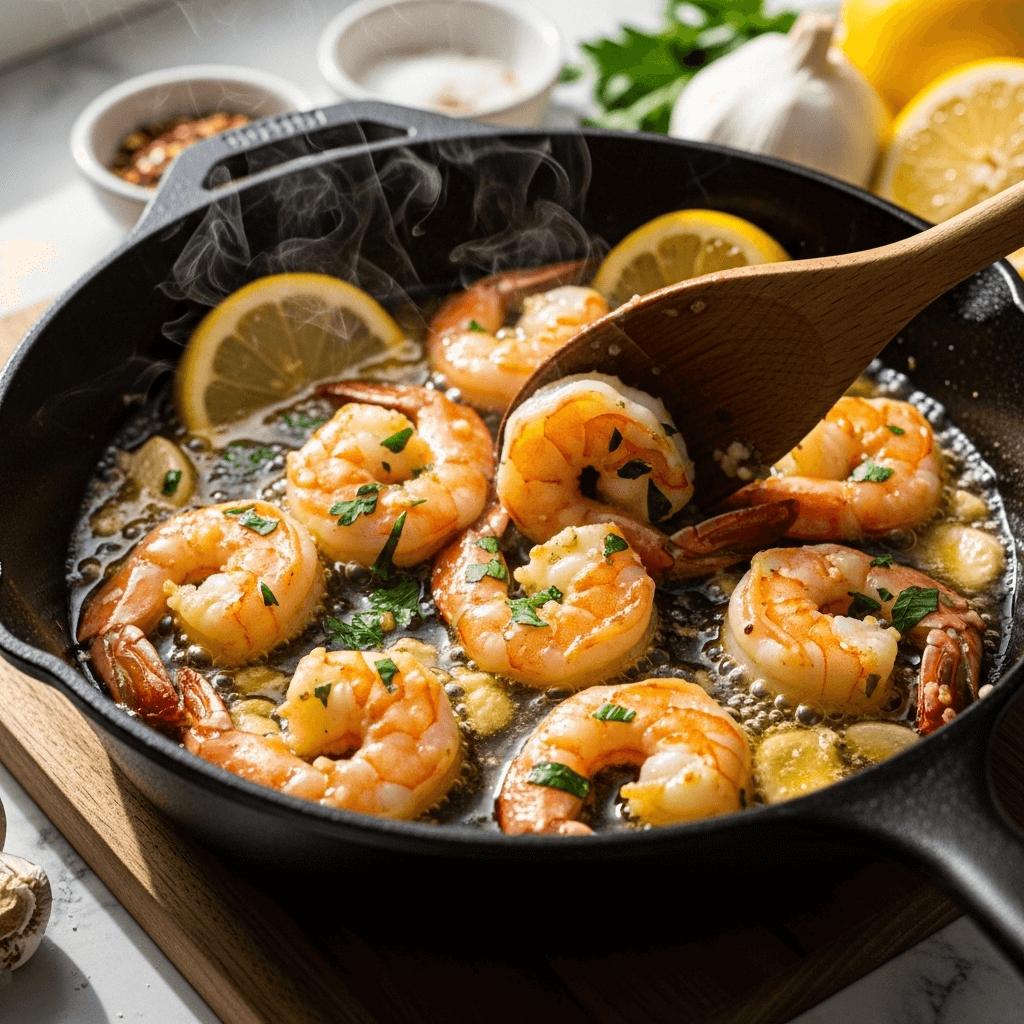
If you’re craving restaurant-quality seafood but only have 15 minutes to spare, this Garlic Butter Shrimp is about to become your new favorite go-to recipe. Picture this: plump, juicy shrimp sautéed to perfection in a luscious garlic butter sauce with hints of lemon and fresh herbs. It’s elegant enough for date night yet simple enough for a Tuesday dinner when you just can’t deal with complicated cooking.
This recipe has taken Pinterest and food blogs by storm because it delivers maximum flavor with minimal effort. The combination of butter, garlic, and shrimp is simply magical—the butter creates a silky sauce, the garlic adds aromatic depth, and the shrimp cook so quickly that you’re eating before you know it. It’s one of those dishes that tastes like you spent hours in the kitchen when you really only needed a few minutes.
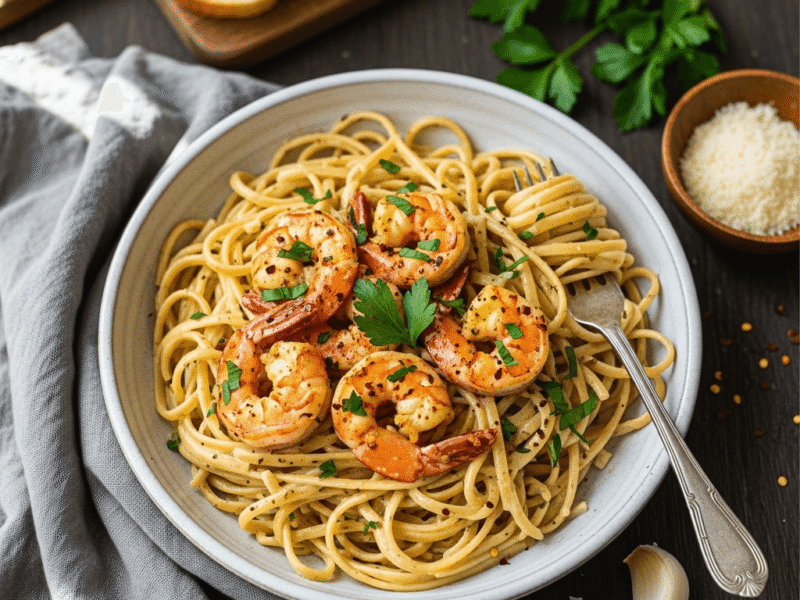
Garlic Butter Shrimp is incredibly versatile too. Serve it over pasta for a quick weeknight dinner, spoon it over rice or cauliflower rice for a low-carb meal, toss it with zucchini noodles for a lighter option, or simply enjoy it with crusty bread to soak up every drop of that incredible garlic butter sauce. It’s perfect for busy weeknights, romantic dinners, meal prep, entertaining guests, or anytime you want something delicious without the stress. Whether you’re a seafood lover or just getting into cooking shrimp at home, this foolproof recipe will have you feeling like a professional chef.
History / Background
While garlic butter shrimp might seem like a modern restaurant creation, the pairing of shrimp with garlic and butter has deep culinary roots spanning multiple cultures. Shrimp has been a prized protein source for coastal communities around the world for thousands of years, with evidence of shrimp consumption dating back to ancient civilizations in Asia, the Mediterranean, and the Americas.
The specific combination of garlic and butter with seafood is particularly prominent in French cuisine, where “beurre blanc” (white butter sauce) and garlic-infused preparations have been staples since the 18th century. French chefs understood that the richness of butter perfectly complements the delicate sweetness of seafood, while garlic adds aromatic complexity without overwhelming the natural flavors.
Italian coastal cuisine also embraced this flavor profile, particularly in regions like Sicily and Campania, where “scampi” (a style of preparing shrimp or langoustines in garlic, butter, and white wine) became a beloved dish. When Italian immigrants came to America in the late 19th and early 20th centuries, they brought these cooking techniques with them, adapting them to the abundant shrimp found along the American Gulf Coast and Atlantic seaboard.
The American version of garlic butter shrimp as we know it today really took off in the 1950s and 60s when seafood became more accessible nationwide due to improved refrigeration and transportation. The dish became a steakhouse and seafood restaurant staple, often appearing on menus as “Shrimp Scampi” even when prepared without the traditional white wine.
In recent decades, garlic butter shrimp has experienced a renaissance thanks to the rise of quick, healthy cooking trends and social media food culture. Home cooks discovered that this restaurant favorite could be easily recreated at home in minutes, making it perfect for busy modern lifestyles. The recipe’s visual appeal—glossy, golden shrimp glistening in butter sauce with flecks of green herbs—makes it incredibly popular on platforms like Pinterest and Instagram.
Today, garlic butter shrimp represents the best of cross-cultural culinary evolution: a dish with European technique, American accessibility, and universal appeal that continues to delight home cooks around the world.
Why You’ll Love This Recipe
This Garlic Butter Shrimp truly is one of those magical recipes that checks every single box. It tastes incredibly indulgent and sophisticated, yet it comes together faster than ordering takeout. The shrimp turn out perfectly tender and juicy, never rubbery or overcooked, while the garlic butter sauce is so good you’ll want to lick the pan clean (we won’t judge!).
What makes this recipe especially wonderful is how it makes you feel like a culinary genius with minimal effort. The flavors are complex and layered—sweet shrimp, nutty browned butter, aromatic garlic, bright lemon, and fresh herbs all working together in perfect harmony. Yet the technique is straightforward enough for absolute beginners. It’s impressive without being intimidating, which is exactly what busy home cooks need.
Here’s why you’ll make this on repeat:
- Lightning fast – Literally ready in 15 minutes from start to finish
- Minimal ingredients – Just 8 simple ingredients you probably have on hand
- Restaurant-quality results – Tastes like a $25 entree from your favorite seafood spot
- Naturally low-carb and keto-friendly – Perfect for those watching carbs
- Gluten-free – Naturally free of gluten without any special substitutions
- Impressive for guests – Looks and tastes fancy enough for entertaining
- One-pan wonder – Cooks entirely in a single skillet for easy cleanup
- Endlessly versatile – Serve over pasta, rice, zoodles, or with bread
- Budget-friendly – Frozen shrimp works beautifully and costs less than fresh
- Meal prep friendly – Makes great leftovers for lunches throughout the week
- Kid-approved – Even picky eaters love the buttery, mild flavor
- Healthy protein – Shrimp is lean, high in protein, and packed with nutrients
Ingredient Notes
Let’s talk about what goes into this delicious dish and why each component matters. Understanding your ingredients helps you achieve the best results every time.
Shrimp: The star of the show! You’ll want large or jumbo shrimp (21-25 count per pound or 16-20 count). Frozen shrimp works just as well as fresh—in fact, most “fresh” shrimp at the store was previously frozen anyway. Buy them already peeled and deveined to save time. If you can only find tail-on shrimp, that’s fine, though tail-off is easier to eat. Raw shrimp should be grayish-pink; they’ll turn bright pink when cooked.
Butter: Unsalted butter is best because it lets you control the salt level in the dish. Butter creates that luscious, silky sauce and adds rich flavor that complements the shrimp perfectly. Don’t substitute with margarine—it won’t taste the same and can separate when heated. For dairy-free, use ghee or a high-quality plant-based butter.
Garlic: Fresh garlic is absolutely essential here—this is not the place for garlic powder or jarred minced garlic. You’ll need about 4-6 cloves depending on their size and how much you love garlic. Fresh garlic becomes sweet and aromatic when sautéed in butter, creating the foundation of the sauce’s flavor.
Lemon: Fresh lemon juice adds brightness that cuts through the richness of the butter and enhances the natural sweetness of the shrimp. You’ll need about 2 tablespoons from one large lemon. Bottled lemon juice just doesn’t have the same fresh, vibrant quality. The lemon zest adds even more flavor without extra acidity.
White Wine: A splash of dry white wine adds acidity and depth to the sauce. Use something you’d actually drink—Pinot Grigio, Sauvignon Blanc, or Chardonnay all work great. If you don’t use alcohol, substitute with chicken broth or additional lemon juice mixed with a splash of white wine vinegar.
Olive Oil: A tablespoon of olive oil mixed with butter prevents the butter from burning over higher heat while adding its own subtle flavor. Use regular olive oil rather than extra virgin, which has a lower smoke point.
Fresh Herbs: Parsley is traditional and adds bright color and fresh flavor. Basil, cilantro, or chives also work beautifully. Dried herbs won’t provide the same fresh, vibrant finish.
Seasonings: Salt, black pepper, and red pepper flakes are all you need. The red pepper flakes add a subtle warmth without making the dish spicy. Adjust to your taste preference.
Equipment Needed
The beauty of this recipe is that you need very minimal equipment. Here’s what to have ready:
- Large skillet or sauté pan (12-inch is ideal) – Stainless steel or non-stick both work well. Cast iron works too but may cook the shrimp very quickly
- Spatula or wooden spoon – For stirring and flipping the shrimp
- Sharp knife – For mincing garlic and chopping herbs
- Cutting board – For prep work
- Measuring spoons – For accurate portions
- Citrus juicer (optional) – Makes getting lemon juice easier, but you can squeeze by hand
- Garlic press or microplane (optional) – Makes mincing garlic quick and easy
- Paper towels – Essential for patting shrimp dry
- Small bowl – For prep if you want to have everything ready before cooking
- Serving dish or plates – For presenting your beautiful creation
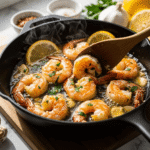
Garlic Butter Shrimp Recipe
- Total Time: 13 minutes
- Yield: 4 servings 1x
- Diet: Gluten Free
Description
Succulent shrimp sautéed in a rich garlic butter sauce with lemon and herbs. This restaurant-quality dish comes together in just 15 minutes and works perfectly as a main course or elegant appetizer.
Ingredients
- 1.5 pounds large shrimp (21-25 count), peeled and deveined
- 4 tablespoons unsalted butter, divided
- 1 tablespoon olive oil
- 6 cloves garlic, minced
- 1/4 cup dry white wine (or chicken broth)
- 2 tablespoons fresh lemon juice (about 1 lemon)
- 1/2 teaspoon lemon zest
- 1/4 teaspoon red pepper flakes (adjust to taste)
- Salt and black pepper to taste
- 3 tablespoons fresh parsley, chopped
- Lemon wedges for serving (optional)
Instructions
- Prep the shrimp: Pat the shrimp completely dry with paper towels—this is crucial for getting a good sear. Season both sides with salt and black pepper. If using frozen shrimp, make sure they’re fully thawed and drained of excess water.
- Heat the pan: Heat a large skillet over medium-high heat. Add 1 tablespoon of butter and the olive oil. Once the butter is melted and the pan is hot (but not smoking), you’re ready to cook.
- Sear the shrimp: Add the shrimp in a single layer, making sure not to overcrowd the pan. If your skillet isn’t large enough, cook in two batches. Cook for 2 minutes on the first side without moving them—they should develop a nice golden-pink color. Flip and cook for another 1-2 minutes until just cooked through (they’ll be pink and opaque). Remove shrimp to a plate immediately—they’ll continue cooking from residual heat.
- Make the garlic butter sauce: In the same skillet, reduce heat to medium. Add the remaining 3 tablespoons of butter. Once melted, add the minced garlic and red pepper flakes. Sauté for 30-60 seconds until fragrant and just starting to turn golden—watch carefully as garlic burns quickly.
- Deglaze and build flavor: Pour in the white wine (or broth) and lemon juice. Use a wooden spoon to scrape up any browned bits from the bottom of the pan—these add tons of flavor. Let the sauce simmer for 1-2 minutes to reduce slightly and meld the flavors.
- Finish the dish: Return the cooked shrimp to the skillet along with any juices that accumulated on the plate. Add the lemon zest and toss everything together, coating the shrimp in the garlic butter sauce. Cook for just 30 seconds to warm the shrimp through.
- Add fresh herbs and serve: Remove from heat and stir in the chopped fresh parsley. Taste and adjust seasoning with more salt, pepper, or lemon juice if needed. Serve immediately with lemon wedges on the side.
Notes
- Don’t overcook the shrimp: They cook very quickly—usually 3-4 minutes total. Overcooked shrimp become tough and rubbery. Cook just until they turn pink and opaque.
- Dry shrimp = better sear: Moisture is the enemy of browning. Pat shrimp very dry before cooking for the best color and texture.
- Wine substitution: If you don’t use alcohol, chicken broth plus a splash of white wine vinegar works well, or just use extra lemon juice.
- Scaling up: If doubling the recipe, cook shrimp in batches to avoid overcrowding, which causes steaming instead of searing.
- Tail-on or tail-off: Either works! Tail-on looks prettier but tail-off is easier to eat.
- Prep Time: 5 minutes
- Cook Time: 8 minutes
- Category: Dinner, Appetizer
- Method: Stovetop
- Cuisine: American, Italian-Inspired
Nutrition
- Serving Size: About 6 ounces shrimp with sauce
- Calories: 285
- Sugar: 0g
- Sodium: 890mg
- Fat: 15g
- Saturated Fat: 8g
- Unsaturated Fat: 6g
- Trans Fat: 0g
- Carbohydrates: 3g
- Fiber: 0g
- Protein: 34g
- Cholesterol: 355mg
Nutrition information is approximate and based on using 1.5 pounds of shrimp with the butter and oil listed. Values will vary based on specific ingredients and serving sizes.
Tips & Variations
This recipe is wonderfully adaptable. Here are some ideas to make it your own:
Spicy Garlic Butter Shrimp: Increase red pepper flakes to 1/2 teaspoon, or add diced jalapeños with the garlic. A dash of hot sauce in the butter sauce adds nice heat too.
Creamy Garlic Shrimp: After making the butter sauce, stir in 1/4 cup heavy cream or half-and-half for a luscious, creamy version that’s amazing over pasta.
Asian-Inspired: Swap lemon for lime juice, add a splash of soy sauce and sesame oil, and garnish with cilantro and sesame seeds instead of parsley.
Mediterranean Style: Add halved cherry tomatoes and kalamata olives to the sauce. Use oregano instead of parsley and add crumbled feta cheese at the end.
Cajun Butter Shrimp: Season the shrimp with Cajun seasoning before cooking. Add a pinch of smoked paprika to the butter sauce.
Herb Variations: Try fresh basil, cilantro, dill, or chives instead of parsley. A combination of herbs is lovely too.
Add Vegetables: Toss in cherry tomatoes, asparagus tips, or baby spinach during the last minute of cooking for a more complete meal.
Different Proteins: This sauce works beautifully with scallops, white fish like cod or halibut, or chicken breast cut into strips (cooking time will vary).
Make it a Pasta Dish: Toss with cooked linguine, angel hair, or fettuccine. Add some pasta water to help the sauce coat the noodles.
Low-Carb Options: Serve over cauliflower rice, zucchini noodles, or spaghetti squash for a keto-friendly meal.
Pro Chef Tips
Want restaurant-level results? These professional techniques will take your garlic butter shrimp to the next level:
Room temperature shrimp cook more evenly: If using frozen shrimp, thaw them completely and let them sit at room temperature for 10-15 minutes before cooking. Cold shrimp added to a hot pan release moisture and steam rather than sear.
Pat shrimp DRY thoroughly: This is the most important step for developing that beautiful golden-pink exterior. Any moisture will cause the shrimp to steam and turn out gray and rubbery instead of beautifully caramelized.
Don’t crowd the pan: Shrimp need space to sear properly. If they’re touching, they’ll steam in their own moisture. Cook in batches if necessary, even though it takes longer.
Use the right heat: Medium-high is perfect for shrimp. Too low and they’ll stew in their juices; too high and they’ll burn before cooking through.
The flip test: Shrimp are ready to flip when they release easily from the pan and have developed color on the bottom. If they’re sticking, give them another 30 seconds.
Watch for the C-shape: Perfectly cooked shrimp form a loose “C” shape. Overcook them and they curl into a tight “O” shape and become tough.
Toast the garlic gently: Garlic should become fragrant and just barely golden. Burned garlic is bitter and ruins the whole dish. If you accidentally burn it, wipe out the pan and start the sauce over.
Deglaze for maximum flavor: That wine or broth picks up all the flavorful browned bits (fond) from the pan. Don’t skip this step or you’re leaving flavor behind.
Fresh lemon juice makes a difference: Bottled lemon juice tastes flat and slightly bitter. Fresh lemon provides bright, vibrant acidity that makes the whole dish sing.
Finish with cold butter: For an extra-silky, restaurant-style sauce, remove the pan from heat and swirl in one tablespoon of cold butter at the very end. This technique is called “mounting” and creates incredible glossiness.
Rest before serving: Let the finished dish sit for 30-60 seconds off the heat. The shrimp will relax slightly and absorb some of the sauce, making them even more flavorful.
Common Mistakes to Avoid
Even simple recipes can go wrong. Here’s how to sidestep the most common pitfalls:
Overcooking the shrimp: This is mistake number one. Shrimp cook in literally 3-4 minutes total. The second they turn pink and opaque, they’re done. Overcooked shrimp become tough, rubbery, and chalky. Use a timer if you need to, and when in doubt, slightly undercooking is better than overcooking since they continue cooking off heat.
Not drying the shrimp properly: Wet shrimp won’t sear—they’ll steam and turn gray and rubbery. Use paper towels to thoroughly pat them dry. If using frozen shrimp, make sure all ice crystals are gone and excess water is drained completely.
Burning the garlic: Garlic goes from perfectly golden to acrid and burnt in seconds. Always reduce heat to medium after cooking the shrimp, and only sauté the garlic for 30-60 seconds until fragrant. If you smell burning, it’s too late—dump it and start over.
Overcrowding the pan: When shrimp touch each other, they release moisture that causes steaming instead of searing. You need space between each shrimp for proper caramelization. It’s worth cooking in two batches to get that beautiful golden color.
Using the wrong size shrimp: Tiny salad shrimp cook in seconds and are easy to overcook. Extra jumbo shrimp take too long and can burn on the outside before cooking through. Large to jumbo (16-25 count per pound) is the sweet spot for this recipe.
Skipping the wine or acid: The dish needs that brightness from wine or lemon juice to cut through the richness of the butter. Without it, the sauce tastes flat and heavy. If you don’t drink wine, use chicken broth with extra lemon juice—just don’t skip the acid component.
Storage & Meal Prep
Garlic Butter Shrimp is best enjoyed fresh, but it does store reasonably well for quick meals later in the week.
Refrigerator Storage: Allow the shrimp to cool to room temperature (don’t leave out longer than 2 hours). Transfer to an airtight container with the garlic butter sauce and refrigerate for up to 3 days. The shrimp will firm up when cold, which is normal.
Reheating Instructions: Shrimp can become rubbery if reheated too aggressively. The best method is to reheat gently in a skillet over low heat for just 2-3 minutes until warmed through. Add a splash of white wine, broth, or water to revive the sauce. You can also reheat in the microwave at 50% power in 30-second intervals, stirring between each, but stovetop is better. Never boil or the shrimp will toughen.
Meal Prep Tips: This dish works wonderfully for meal prep! Cook the recipe, portion it into containers with your choice of side (rice, pasta, or vegetables), and you’ve got lunch or dinner ready for several days. The flavors actually deepen overnight as they meld together. Just be careful not to overcook the shrimp initially since they’ll heat again when you reheat.
Cold Uses: Leftover garlic butter shrimp is delicious cold in salads, grain bowls, or on top of greens with vinaigrette. The garlic butter solidifies when cold but melts as you eat.
Best Practices: Store the shrimp and sauce together so the shrimp stay moist and absorb more flavor. Always reheat gently to prevent toughening.
Make-Ahead & Freezer Notes
Planning ahead? Here’s how to prep this dish in advance:
Make-Ahead Options:
- Prep ingredients: Peel and devein shrimp, mince garlic, chop herbs, and juice lemon up to 24 hours ahead. Store everything separately in the fridge, then cooking takes just 10 minutes.
- Marinate shrimp: For extra flavor, toss shrimp with minced garlic, lemon juice, and olive oil up to 2 hours before cooking. Pat dry before adding to the hot pan.
- Partial cook: You can make the entire dish up to 1 hour ahead and leave it at room temperature, then gently warm it just before serving. Don’t refrigerate and reheat if possible—it’s best fresh.
Freezing Instructions:
Cooked shrimp doesn’t freeze as well as raw because the texture can become rubbery, but it’s still workable:
- Let the cooked shrimp and sauce cool completely.
- Transfer to a freezer-safe container or heavy-duty freezer bag.
- Press out excess air and freeze flat for easy stacking.
- Label with date and freeze for up to 2 months.
Better freezer option: Freeze the raw, seasoned shrimp instead. Season peeled shrimp with salt and pepper, place in a freezer bag, and freeze for up to 3 months. Thaw overnight in the fridge, pat dry, and cook fresh with the garlic butter sauce for best results.
Thawing and Reheating from Frozen:
- Thaw overnight in the refrigerator
- Reheat very gently in a skillet over low heat with a splash of wine or broth
- Cook just until warmed through, 3-4 minutes maximum
- The texture will be softer than freshly cooked, but still good
Pro tip: The garlic butter sauce freezes beautifully on its own. Make a double batch of sauce, freeze in ice cube trays, then pop out and store in a freezer bag. Use one or two cubes to quickly sauce freshly cooked shrimp anytime.
Serving Suggestions
This versatile dish pairs beautifully with so many sides. Here are some delicious ways to serve it:
Over Grains & Pasta:
- Linguine or angel hair pasta – Classic shrimp scampi style
- White rice or brown rice – Soaks up all that delicious sauce
- Cauliflower rice – Low-carb option that’s just as satisfying
- Orzo or couscous – Small pasta absorbs the butter sauce perfectly
- Risotto or polenta – Creamy and indulgent pairing
- Quinoa – Healthy whole grain option
Vegetables & Salads:
- Zucchini noodles – Light and fresh, perfect for low-carb diets
- Roasted asparagus – The flavors complement each other beautifully
- Sautéed green beans – Simple and classic
- Caesar salad – Cool, crisp contrast to the warm shrimp
- Caprese salad – Fresh mozzarella and tomatoes are perfect in summer
- Steamed broccoli – For a complete, balanced meal
Breads:
- Crusty French bread – Essential for soaking up every drop of sauce
- Garlic bread – Because more garlic is always good
- Ciabatta or focaccia – Soft Italian breads are perfect
- Dinner rolls – Easy and family-friendly
Complete Meal Ideas:
- Serve over pasta with a side salad and garlic bread for an Italian feast
- Pair with rice and roasted vegetables for a balanced dinner
- Make shrimp tacos by stuffing into tortillas with cabbage slaw
- Top a grain bowl with shrimp, quinoa, avocado, and greens
- Serve as an appetizer before steak or chicken for surf and turf
Beverages:
- White wine – Sauvignon Blanc, Pinot Grigio, or Chardonnay
- Sparkling wine – Prosecco or Champagne for celebrations
- Sparkling water – With lemon or lime for a refreshing option
- Iced tea – Unsweetened complements the rich butter
FAQs Section
Should I buy fresh or frozen shrimp? Either works great! In fact, unless you live near the coast, most “fresh” shrimp was previously frozen. Frozen shrimp is often better quality because it’s flash-frozen on the boat immediately after harvest. Just make sure to thaw completely before cooking and pat very dry. Look for IQF (individually quick frozen) shrimp without added solutions.
How do I know when shrimp are done? Shrimp are perfectly cooked when they turn pink/orange and opaque throughout. They should form a loose “C” shape. If they curl into a tight “O,” they’re overcooked. Shrimp cook in just 3-4 minutes total, so watch carefully. They’ll continue cooking off heat, so pull them a touch before you think they’re done.
Can I use salted butter instead of unsalted? You can, but reduce or omit the added salt. Salted butter has varying amounts of salt depending on brand, making it harder to control the overall saltiness of the dish. With unsalted butter, you have complete control over seasoning.
What if I don’t have white wine? Use chicken broth or vegetable broth with a splash of white wine vinegar or extra lemon juice for acidity. You can also use dry vermouth, which keeps longer than wine. Some people use a little apple cider vinegar in broth. Just don’t skip the liquid—it’s needed for deglazing and creating the sauce.
Why did my shrimp turn out rubbery? This almost always means they were overcooked. Shrimp cook extremely fast—usually 2 minutes per side. The second they turn pink and opaque, remove them from heat. They’ll continue cooking from residual heat. Also make sure they’re completely thawed and patted dry, as excess moisture causes steaming and toughness.
Can I make this dairy-free? Yes! Use ghee (clarified butter) or a high-quality plant-based butter alternative. The flavor will be slightly different but still delicious. Olive oil alone works too, though you’ll lose some of the rich, buttery quality. Add a bit more lemon juice to brighten the flavors.
What size shrimp should I buy? Large to jumbo shrimp work best—look for 16-20 count or 21-25 count per pound. This means there are 16-20 (or 21-25) shrimp in one pound. These sizes are substantial enough to sear nicely without overcooking instantly. Avoid tiny shrimp which cook too quickly and don’t have the same satisfying bite.
Can I add vegetables to this recipe? Absolutely! Cherry tomatoes, asparagus tips, baby spinach, or thinly sliced bell peppers all work wonderfully. Add heartier vegetables like asparagus with the shrimp so they cook together. Delicate greens like spinach can be stirred in at the very end to wilt in the residual heat.
Conclusion
And there you have it—a restaurant-quality Garlic Butter Shrimp recipe that proves you don’t need fancy techniques or hours of time to create something absolutely spectacular! This dish is proof that simple ingredients, when treated right, can deliver incredible flavor that’ll have everyone at your table asking for seconds.
The beauty of this recipe lies in its versatility and speed. Whether you’re trying to impress someone special, need a quick weeknight dinner solution, or want an elegant appetizer for your next gathering, this garlic butter shrimp delivers every single time. And once you master the basic technique, you’ll find yourself playing with flavors and making it your own.
Remember, the key to success is simple: don’t overcook the shrimp, pat them dry for a good sear, and don’t burn the garlic. Follow those three rules and you’re pretty much guaranteed perfection.