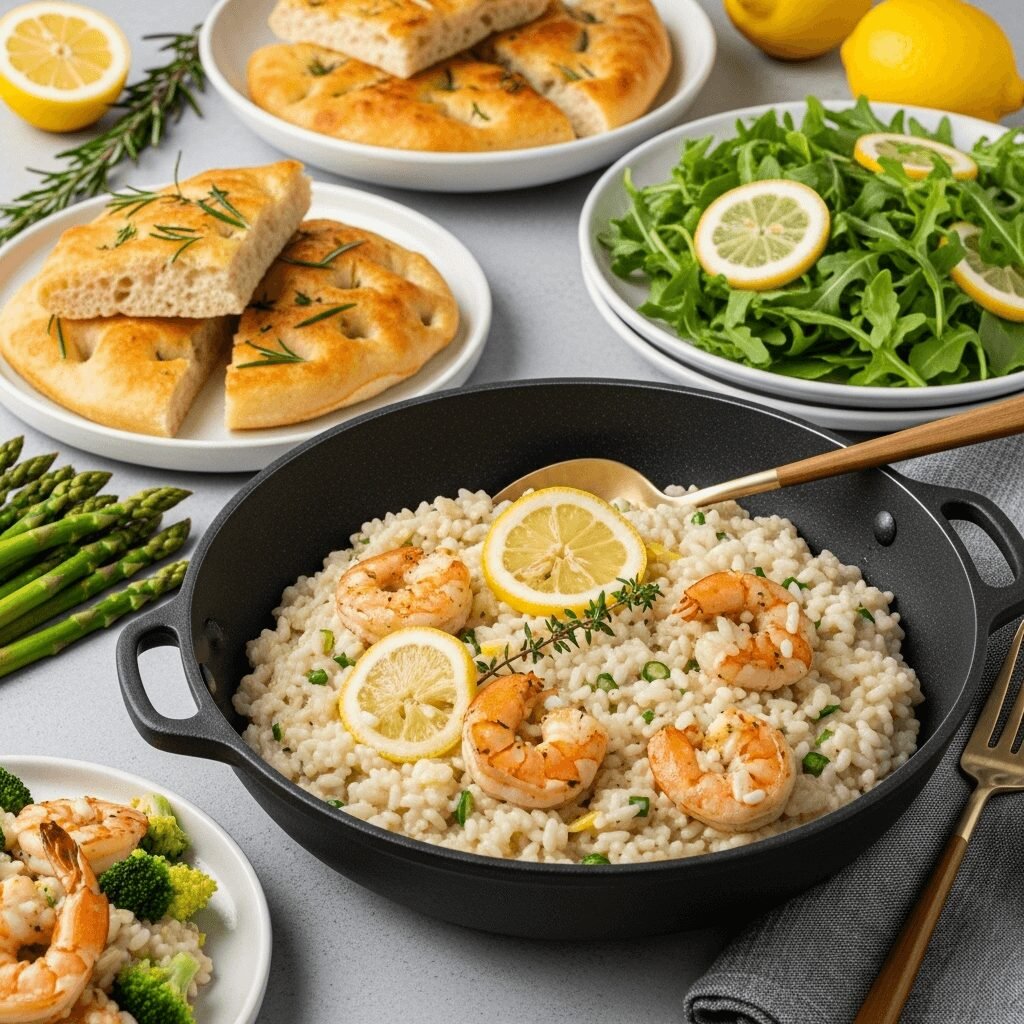

Prepare to fall absolutely in love with this Creamy Lemon Garlic Chicken Risotto – a luxurious Italian dish that combines tender, juicy chicken with perfectly creamy Arborio rice in a bright, garlicky lemon sauce. This isn’t just any risotto; it’s a complete meal that tastes like something you’d order at an upscale Italian restaurant, yet it’s surprisingly achievable in your own kitchen. The velvety texture, the bright citrus notes, the savory garlic, and the tender chicken all come together in the most spectacular way.
What makes this risotto absolutely irresistible is the technique. Unlike regular rice dishes, risotto requires patience and attention, but the payoff is incredible – each grain of rice becomes tender yet maintains a slight bite (al dente), while releasing enough starch to create a naturally creamy sauce without needing heavy cream. The lemon adds brightness that cuts through the richness, while the garlic provides depth and aroma that fills your entire kitchen with the most mouthwatering scent.
This Creamy Lemon Garlic Chicken Risotto is perfect for so many occasions. Serve it for romantic date nights at home when you want to impress, Sunday family dinners when you’re craving comfort food with a gourmet twist, special occasions that call for something memorable, or even weeknight dinners when you have an extra 40 minutes to dedicate to stirring something truly special. It’s elegant enough for entertaining but comforting enough for regular rotation. Trust me, once you master this recipe, you’ll make it again and again!
History / Background
Risotto has been a cornerstone of Northern Italian cuisine for centuries, with roots dating back to the 14th century when rice cultivation was introduced to the Po Valley region of Lombardy. The word “risotto” comes from “riso,” the Italian word for rice, and the dish likely evolved from Spanish paella traditions brought to Italy through trade routes. Milan and the surrounding Lombardy region claim risotto as their signature dish, with Risotto alla Milanese (with saffron) being the most famous traditional version.
The technique of slowly adding liquid to rice while stirring constantly was revolutionary. Unlike other rice cooking methods where rice is simply boiled or steamed, risotto’s gradual liquid absorption creates something entirely unique – a creamy, luxurious texture that’s neither soup nor pilaf but something wonderfully in between. This method allows the rice grains to release their starch gradually, creating that signature velvety consistency without any cream.
Traditional Italian risotto recipes typically feature simple ingredients: rice, broth, butter, Parmesan cheese, and perhaps wine. Regional variations emerged over time, incorporating local ingredients like seafood along coastal areas, mushrooms in forested regions, and seasonal vegetables throughout the countryside. The addition of protein like chicken to risotto is actually a more modern adaptation, as traditional Italian meals often served meat as a separate course.
The combination of lemon and risotto has roots in both Northern and Southern Italian cooking. While Northern Italy perfected the risotto technique, Southern Italy’s abundant citrus groves influenced the flavor profiles. Lemon risotto (Risotto al Limone) became popular in the 20th century, particularly in regions like Campania and Sicily where lemons are plentiful. The garlic component reflects the broader Italian love of this aromatic ingredient across all regions.
This particular recipe – Creamy Lemon Garlic Chicken Risotto – represents modern Italian-American fusion cooking at its finest. It takes the classical technique and traditional flavors of Italian risotto and adapts them to American tastes by creating a complete one-dish meal. It honors the Italian respect for quality ingredients and proper technique while acknowledging our contemporary desire for convenience and heartiness. This is comfort food that carries centuries of culinary tradition in every creamy, lemony bite!
Why You’ll Love This Recipe
This Creamy Lemon Garlic Chicken Risotto isn’t just another rice dish – it’s a transformative cooking experience that results in one of the most satisfying meals you’ll ever make. The process of creating risotto is almost meditative, with the rhythmic stirring and gradual transformation of simple ingredients into something magical. The final result is restaurant-quality elegance that will have everyone at your table thinking you’re a gourmet chef, even if this is your first time making risotto!
Here’s why this recipe deserves a spot in your regular rotation:
- Restaurant-quality results – Tastes like a $30 entrée from an Italian bistro
- Impressive yet achievable – Looks fancy but uses straightforward techniques
- Naturally gluten-free – Made with rice instead of pasta
- Complete one-dish meal – Protein, starch, and flavor all in one pot
- Bright, fresh flavors – Lemon adds a refreshing twist to rich, creamy rice
- Comfort food elevated – Cozy and satisfying with a gourmet edge
- Perfect for entertaining – Guests will be genuinely impressed
- Customizable base – Easy to adapt with different proteins or vegetables
- Teaches valuable technique – You’ll learn a foundational cooking skill
- Family-friendly – Even kids love the creamy, mild flavors
- Date night worthy – Romantic enough for special occasions
- Surprisingly satisfying – The creamy texture is incredibly comforting
- Garlic lover’s dream – Aromatic garlic in every bite
- No heavy cream needed – Naturally creamy from the rice starch alone
Ingredient Notes
Arborio Rice: This is non-negotiable for authentic risotto! Arborio is a short-grain Italian rice with high starch content that creates risotto’s signature creamy texture. You’ll need 1½ cups. Look for it in the rice or international aisle. Carnaroli or Vialone Nano rice are premium alternatives if you can find them. Do not substitute with long-grain rice, jasmine, or basmati – they won’t release enough starch for proper creaminess.
Chicken Breast: Boneless, skinless chicken breasts (about 1-1½ pounds) provide lean protein that pairs beautifully with the lemony rice. Cut them into bite-sized pieces for even cooking and easy eating. Chicken thighs work wonderfully too and are more forgiving if slightly overcooked. For a time-saver, use rotisserie chicken and skip the cooking step – just stir it in at the end.
Chicken Broth: High-quality chicken broth or stock is the foundation of flavor for your risotto. You’ll need about 5-6 cups kept warm throughout cooking. Low-sodium is best so you can control the salt level. Homemade stock is incredible if you have it, but store-bought works perfectly. Keeping it warm is crucial – cold broth will slow down cooking and affect texture.
White Wine: Dry white wine (about ½ cup) adds acidity and depth that balances the richness. Use something you’d actually drink – Pinot Grigio, Sauvignon Blanc, or Chardonnay all work beautifully. The alcohol cooks off, leaving complex flavor. If you prefer not to use wine, substitute with an extra ½ cup of chicken broth plus 1 tablespoon of lemon juice for acidity.
Lemons: Fresh lemons are essential – you’ll need 2-3 lemons for both juice and zest. The zest contains aromatic oils that perfume the entire dish, while the juice provides brightness and acidity. Never use bottled lemon juice; fresh makes all the difference. Meyer lemons are especially lovely if you can find them, offering a sweeter, more floral lemon flavor.
Garlic: Fresh garlic cloves (about 6-8) provide aromatic depth and savory notes. Minced finely, the garlic infuses the rice as it cooks. Don’t use jarred garlic here – fresh is essential for the best flavor. If you’re a garlic fanatic, add a couple extra cloves!
Parmesan Cheese: Genuine Parmigiano-Reggiano, freshly grated from a block, is crucial for authentic flavor and texture. You’ll need about 1 cup. The cheese melts into the risotto, adding nutty, salty richness and contributing to the creamy texture. Pre-grated cheese contains anti-caking agents that prevent smooth melting. This is one ingredient worth splurging on – the difference is remarkable.
Butter: Unsalted butter (about 4-5 tablespoons total) adds richness and that classic Italian “mantecatura” finish – the final addition of butter and cheese that makes risotto silky and glossy. Don’t skimp on this; butter is what makes risotto luxurious. European-style butter with higher fat content is even better.
Olive Oil: Good quality olive oil is used for sautéing the chicken and starting the risotto. You’ll need about 2-3 tablespoons. Regular olive oil (not extra virgin) is fine for cooking, though a drizzle of high-quality extra virgin olive oil as a finishing touch is lovely.
Fresh Herbs: Fresh parsley and thyme complement the lemon beautifully. You’ll need about ¼ cup of chopped parsley and a tablespoon of fresh thyme leaves. Fresh basil is another wonderful addition. Dried herbs won’t provide the same bright, fresh flavor.
Seasonings: Simple salt and freshly ground black pepper are all you need beyond the main ingredients. The lemon, garlic, and Parmesan provide plenty of flavor complexity.
Equipment Needed
To create this restaurant-quality risotto, you’ll need these essential kitchen tools:
- Large, heavy-bottomed saucepan or Dutch oven (at least 4-quart capacity with a wide cooking surface)
- Separate medium saucepan (for keeping broth warm)
- Wooden spoon or heat-resistant silicone spatula (for constant stirring)
- Ladle (for adding broth gradually, about 1 cup capacity)
- Sharp chef’s knife (for cutting chicken and mincing garlic)
- Cutting board
- Measuring cups and spoons
- Liquid measuring cup (2-cup or 4-cup for broth)
- Microplane or fine grater (for lemon zest and Parmesan)
- Citrus juicer (optional but helpful)
- Small bowl (for seasoning chicken)
- Plate (for setting aside cooked chicken)
- Whisk (for finishing the risotto)
- Tongs or fork (for handling chicken)
- Timer (helpful for tracking cooking time)

Creamy Lemon Garlic Chicken Risotto Recipe
- Total Time: 50 minutes
- Yield: 4 servings 1x
- Diet: Gluten Free
Description
This Creamy Lemon Garlic Chicken Risotto features tender chicken and perfectly cooked Arborio rice in a bright, garlicky lemon sauce. Restaurant-quality Italian comfort food made at home in under an hour!
Ingredients
For the Chicken:
- 1¼ lbs boneless, skinless chicken breast, cut into bite-sized pieces
- 2 tablespoons olive oil
- 1 teaspoon salt
- ½ teaspoon black pepper
- 1 teaspoon Italian seasoning
For the Risotto:
- 5-6 cups chicken broth, kept warm
- 3 tablespoons butter, divided
- 1 tablespoon olive oil
- 1 small onion, finely diced (about ¾ cup)
- 8 cloves garlic, minced
- 1½ cups Arborio rice
- ½ cup dry white wine (or extra broth plus 1 tablespoon lemon juice)
- Zest of 2 lemons
- Juice of 2-3 lemons (about ⅓ cup)
- 1 cup freshly grated Parmesan cheese
- 2 tablespoons butter (for finishing)
- ¼ cup fresh parsley, chopped
- 1 tablespoon fresh thyme leaves
- Salt and pepper to taste
- Extra Parmesan and lemon wedges for serving
Instructions
- Warm the broth: Pour chicken broth into a medium saucepan and keep it at a gentle simmer over low heat throughout the cooking process. Warm broth is essential for proper risotto texture.
- Cook the chicken: Season chicken pieces with salt, pepper, and Italian seasoning. Heat 2 tablespoons olive oil in a large, heavy-bottomed saucepan or Dutch oven over medium-high heat. Add chicken in a single layer and cook for 5-6 minutes, stirring occasionally, until golden brown and cooked through (internal temp 165°F). Transfer chicken to a plate and set aside.
- Start the risotto base: In the same pan, reduce heat to medium. Add 1 tablespoon butter and 1 tablespoon olive oil. Once butter melts, add diced onion and sauté for 3-4 minutes until soft and translucent. Add minced garlic and cook for 1 minute, stirring constantly, until fragrant.
- Toast the rice: Add Arborio rice to the pan and stir to coat every grain with the butter and oil. Toast for 2-3 minutes, stirring frequently, until the edges of the rice become slightly translucent and you can smell a nutty aroma. This step is crucial for proper texture.
- Add wine: Pour in the white wine and stir continuously until it’s completely absorbed by the rice, about 2 minutes. The pan should look almost dry before proceeding.
- Begin adding broth: Add warm broth one ladle at a time (about ¾ to 1 cup), stirring frequently. Wait until each addition is almost completely absorbed before adding the next ladle. The rice should always be covered with a thin layer of liquid but never swimming in broth. This gradual process takes patience but creates the creamy texture.
- Continue the stirring process: Keep adding broth ladle by ladle, stirring frequently (but not constantly), for about 18-20 minutes. The rice should gradually become tender with a slight bite remaining in the center (al dente). You may not need all the broth, or you might need slightly more – it depends on your rice and heat level.
- Test for doneness: After 18 minutes, taste the rice. It should be creamy and tender but still have a slight firmness when you bite into it – not crunchy, not mushy. If it’s still too firm, continue adding broth and cooking for a few more minutes.
- Add lemon and chicken: Once the rice reaches al dente, stir in the lemon zest, lemon juice, and the cooked chicken along with any accumulated juices. Stir gently for 1-2 minutes to warm the chicken through and infuse the lemon flavor.
- Finish the risotto (mantecatura): Remove the pan from heat. Add the remaining 2 tablespoons of butter and the freshly grated Parmesan cheese. Stir vigorously for 1-2 minutes until the butter and cheese melt completely and the risotto becomes glossy and ultra-creamy. This final step is what makes risotto truly special.
- Add herbs and season: Stir in fresh parsley and thyme. Taste and adjust seasonings with salt and freshly ground black pepper as needed. The risotto should be creamy enough to spread slightly when spooned onto a plate but not soupy.
- Serve immediately: Risotto waits for no one! Serve immediately in warm shallow bowls, topped with extra Parmesan cheese, a drizzle of good olive oil, fresh herbs, and lemon wedges on the side.
Notes
- Constant stirring myth: You don’t need to stir absolutely constantly, but frequent stirring (every 30-60 seconds) is important for releasing starch
- Broth temperature: Keeping broth warm prevents temperature drops that can make rice cook unevenly
- Al dente is key: Properly cooked risotto rice should have a slight bite in the center, not be soft all the way through
- Serve immediately: Risotto continues to absorb liquid and thicken as it sits, so serve right away for best texture
- Consistency check: If risotto becomes too thick, add a splash of warm broth or water and stir to loosen
- Wine substitute: If avoiding alcohol, use extra broth plus lemon juice for acidity
- Prep Time: 15 minutes
- Cook Time: 35 minutes
- Category: Dinner
- Method: Stovetop
- Cuisine: Italian
Nutrition
- Serving Size: 1/4 of recipe (approximately 2 cups)
- Calories: 625
- Sugar: 3g
- Sodium: 980mg
- Fat: 22g
- Saturated Fat: 10g
- Unsaturated Fat: 10g
- Trans Fat: 0g
- Carbohydrates: 65g
- Fiber: 2g
- Protein: 42g
- Cholesterol: 115mg
Creamy Lemon Garlic Chicken Risotto – Restaurant-Quality Comfort in 40 Minutes!
Introduction of Recipe
Get ready to fall head over heels for the most luxurious, soul-satisfying dish you’ll ever make at home – this Creamy Lemon Garlic Chicken Risotto! Picture this: tender, juicy chicken pieces nestled in the creamiest, most velvety risotto you’ve ever tasted, with bright lemon notes dancing through every spoonful and aromatic garlic weaving its magic throughout. This isn’t just any rice dish – it’s Italian comfort food at its absolute finest, and yes, you can absolutely make restaurant-quality risotto right in your own kitchen!
What makes this recipe so incredibly special is the perfect balance of flavors and textures. The risotto is creamy and luxurious without feeling heavy, the chicken adds satisfying protein and heartiness, while the fresh lemon provides that essential brightness that keeps you coming back for bite after delicious bite. The garlic? It mellows as it cooks, adding depth and that irresistible aromatic quality that makes your entire kitchen smell like a five-star Italian restaurant.
This Creamy Lemon Garlic Chicken Risotto is perfect for so many occasions! Serve it for a romantic date night at home when you want to seriously impress your special someone, make it for Sunday family dinners when you have a bit more time to enjoy the meditative cooking process, bring it to potlucks where you know it’ll be the star dish everyone raves about, or prepare it when you simply want to treat yourself to something truly special. While it does require about 40 minutes and some attention at the stove, the process is actually quite relaxing and therapeutic – and trust me, the results are absolutely worth every single stir!
History / Background
Risotto has been a cornerstone of Northern Italian cuisine for centuries, with its origins tracing back to the lush, rice-growing regions of Lombardy, Piedmont, and Veneto. Rice cultivation in Italy began way back in the 14th century when it was introduced by Arab traders, but it took several hundred years for risotto to evolve into the creamy, sophisticated dish we know and love today.
The technique of slowly adding liquid to rice while constantly stirring developed during the 18th and 19th centuries as Italian cooks discovered something magical: Arborio, Carnaroli, and Vialone Nano rice varieties – with their exceptionally high starch content – could create an incredibly creamy texture without adding any cream at all! This revolutionary cooking method, which releases the rice’s natural starches through gentle agitation and gradual liquid absorption, became the hallmark of authentic Italian risotto.
Traditional risotto recipes were often beautifully simple. The famous Risotto alla Milanese featured saffron’s golden hue and delicate flavor, while Risotto al Nero used dramatic squid ink for a striking black color. These classic dishes showcased the pure technique and quality of ingredients rather than complex flavor combinations. The rice itself was always the star, and the additions were minimal but incredibly impactful.
The addition of chicken to risotto is actually a more modern innovation, representing the fascinating evolution of Italian cooking as it spread around the world and adapted to different culinary traditions. In Italy, meat and rice are traditionally served as separate courses in the classic Italian meal structure, but as Italian immigrants brought their beloved culinary traditions to America and other countries, dishes began to merge and adapt to local preferences for convenient one-dish meals that could feed families easily.
The lemon and garlic combination you’ll find in this recipe reflects the bright, fresh, sun-kissed flavors of Southern Italian and Mediterranean cooking, while the creamy risotto base represents the refined Northern Italian technique. This beautiful fusion creates something uniquely delicious – a dish that honors Italian tradition while embracing modern American tastes. The result? Comfort food that feels both elegant and approachable, perfect for today’s home cooks who want restaurant quality without the restaurant price tag or intimidation factor.
Why You’ll Love This Recipe
This Creamy Lemon Garlic Chicken Risotto isn’t just another dinner recipe to add to your rotation – it’s a truly transformative experience that will change how you think about home cooking! The combination of tender chicken, impossibly creamy risotto, bright lemon, and aromatic garlic creates layers of flavor that are absolutely mesmerizing. Even people who swear they’re “not risotto people” have been completely won over by this recipe time and time again!
Here’s why this recipe deserves a special place in your cooking repertoire:
- Restaurant-quality results – Tastes like it came straight from an upscale Italian trattoria, but costs a fraction of the price
- Surprisingly approachable – Much easier than you think with clear, foolproof, detailed instructions that guide you every step of the way
- One-pot wonder – Everything cooks in a single pot, which means easy cleanup (your future self will thank you!)
- Seriously impressive for guests – Looks and tastes incredibly fancy without being complicated or requiring advanced culinary skills
- Naturally gluten-free – Perfect for friends and family members with dietary restrictions or gluten sensitivities
- Protein-packed and satisfying – Hearty and filling with tender chicken in every single bite
- Comfort food elevated – Cozy and indulgent but still refined and elegant enough for special occasions
- Meditative cooking process – The rhythmic stirring is actually quite relaxing and therapeutic after a long day
- Customizable base recipe – Easy to adapt with different proteins, vegetables, or flavor profiles to suit your taste
- Perfect for special occasions – Ideal for date nights, anniversaries, celebrations, or whenever you want to feel fancy
- Teaches valuable culinary technique – Master risotto and you’ve mastered a fundamental cooking skill you’ll use forever
- Bright, perfectly balanced flavors – The fresh lemon keeps the dish from feeling too heavy or overly rich
- Universal crowd-pleasing appeal – Everyone from adventurous kids to discerning grandparents absolutely loves this dish!
Ingredient Notes
Arborio Rice: This short-grain Italian rice is absolutely essential for authentic, creamy risotto. Its high starch content is what creates that signature velvety texture that makes risotto so special. You’ll need about 1½ cups, which serves 4 people generously. Please don’t substitute with regular long-grain rice or instant rice – they simply won’t work and will leave you disappointed! Carnaroli or Vialone Nano rice are acceptable alternatives if you can find them at specialty stores, but Arborio is most widely available in regular supermarkets and works beautifully every single time.
Chicken Breast: Boneless, skinless chicken breasts (about 1½ pounds) provide lean, healthy protein and cook quickly and evenly. Cut them into bite-sized pieces for even cooking and easy eating. Chicken thighs work wonderfully too and are actually more forgiving if you slightly overcook them – they stay juicier due to their higher natural fat content. For ultimate time-saving convenience, rotisserie chicken can be shredded and stirred in at the very end.
Chicken Broth: High-quality chicken broth or stock is absolutely crucial since it’s the primary cooking liquid and flavors every single grain of rice. You’ll need about 5-6 cups total, kept warm in a separate pot throughout cooking. Low-sodium is best so you can control the salt level yourself. Homemade stock is amazing if you have it, but good-quality store-bought works perfectly well. The key is keeping it warm throughout the entire cooking process – cold broth will shock the rice and slow down cooking dramatically.
White Wine: Dry white wine (about ¾ cup) adds beautiful acidity and complex depth that makes the risotto taste truly restaurant-quality. Use something you’d actually enjoy drinking – Pinot Grigio, Sauvignon Blanc, or Chardonnay all work beautifully. The alcohol cooks off completely, leaving behind wonderfully complex flavor notes. If you prefer not to use wine (totally fine!), substitute with additional chicken broth plus a tablespoon of white wine vinegar or extra lemon juice for that essential acidity.
Parmesan Cheese: Real Parmigiano-Reggiano, freshly grated from a block, is absolutely non-negotiable for authentic flavor and smooth, silky texture. You’ll need about 1 cup. The cheese adds nutty, salty richness and helps create that final creamy consistency. Pre-grated cheese contains anti-caking agents that prevent smooth melting and can make your risotto grainy, so always grate your own from a block – it only takes a few minutes!
Butter: Real, unsalted butter (about 6 tablespoons total) adds incredible richness and that silky, glossy finish that makes risotto absolutely irresistible. We use it at the beginning for sautéing aromatics and at the end for “mantecatura” – the traditional Italian technique of vigorously stirring in cold butter and cheese to create ultimate creaminess.
Garlic: Fresh garlic cloves (5-6, minced) provide aromatic depth throughout the entire dish. Don’t skip this or substitute with garlic powder – fresh garlic is absolutely essential for authentic flavor. The garlic mellows beautifully as it cooks, becoming sweet and fragrant rather than harsh or overpowering.
Lemon: Fresh lemon juice and zest (from 1-2 large lemons) brighten the entire dish and cut through the richness perfectly, creating beautiful balance. The zest adds intense lemon flavor without acidity, while the juice provides that essential brightness. Always use fresh citrus – bottled lemon juice simply can’t compare to the vibrant, fresh flavor.
Onion or Shallots: Finely diced onion (about 1 cup) or shallots create the essential aromatic base for your risotto. Shallots are traditional in Italian cooking and slightly sweeter, but yellow onions work perfectly well and are more budget-friendly. White onions can also substitute successfully.
Fresh Herbs: Fresh parsley and thyme add gorgeous color and delicate herbal notes. Parsley (¼ cup chopped) brightens flavors beautifully, while thyme (1 tablespoon fresh or 1 teaspoon dried) adds earthy complexity. Fresh basil would be a lovely addition too if you have it!
Olive Oil: Good quality olive oil helps cook the chicken and starts the risotto base. Use regular olive oil for cooking rather than expensive extra virgin, since you’ll be heating it to relatively high temperatures.
Equipment Needed
To create this restaurant-worthy Creamy Lemon Garlic Chicken Risotto, you’ll need these essential kitchen tools:
- Large, heavy-bottomed pot or Dutch oven (at least 4-quart capacity with wide surface area for even cooking)
- Medium saucepan (for keeping broth warm throughout cooking)
- Wooden spoon or silicone spatula (for constant, comfortable stirring)
- Sharp chef’s knife (for cutting chicken into uniform pieces and mincing garlic)
- Cutting board (preferably separate ones for chicken and vegetables)
- Measuring cups and spoons (for accurate ingredient quantities)
- Ladle (for adding broth gradually – this is key!)
- Box grater or microplane (for freshly grating Parmesan and zesting lemons)
- Citrus juicer (optional but very helpful for extracting maximum juice)
- Small bowl (for seasoning chicken before cooking)
- Tongs or slotted spoon (for easily removing cooked chicken from pot)
- Whisk (for final vigorous stirring to create creaminess)
- Plate (for resting cooked chicken)
- Timer (helpful for tracking cooking time and testing doneness)
📋 Recipe Card
Prep Time: 15 minutes
Cook Time: 35 minutes
Total Time: 50 minutes
Yield: 4 servings
Category: Dinner
Method: Stovetop
Cuisine: Italian
Diet: Gluten-Free
Description: This Creamy Lemon Garlic Chicken Risotto features tender, juicy chicken and impossibly creamy Arborio rice infused with aromatic garlic and brightened with fresh lemon. Restaurant-quality Italian comfort food made at home!
Ingredients
For the Chicken:
- 1½ lbs boneless, skinless chicken breast, cut into bite-sized pieces
- 2 tablespoons olive oil
- 1 teaspoon salt
- ½ teaspoon black pepper
- 1 teaspoon Italian seasoning
For the Risotto:
- 5-6 cups chicken broth, kept warm
- 3 tablespoons butter, divided
- 1 tablespoon olive oil
- 1 medium onion (or 2 shallots), finely diced
- 6 cloves garlic, minced
- 1½ cups Arborio rice
- ¾ cup dry white wine
- 1 cup freshly grated Parmesan cheese
- Zest of 2 lemons
- Juice of 1-2 lemons (about ¼ cup)
- 2 tablespoons butter (for finishing)
- ¼ cup fresh parsley, chopped
- 1 tablespoon fresh thyme leaves (or 1 teaspoon dried)
- Salt and pepper to taste
- Extra Parmesan and lemon wedges for serving
Instructions
- Warm the broth: Pour chicken broth into a medium saucepan and bring to a gentle simmer over low heat. Keep it warm throughout the entire cooking process – this is absolutely crucial for proper risotto texture. Cold broth will interrupt the cooking process and prevent creamy results.
- Prep and season chicken: Cut chicken breasts into bite-sized pieces (about 1-inch cubes). Season generously with salt, pepper, and Italian seasoning. Toss to coat evenly so every piece is well-seasoned.
- Cook the chicken: Heat 2 tablespoons olive oil in a large, heavy-bottomed pot or Dutch oven over medium-high heat. Add seasoned chicken in a single layer (work in batches if needed to avoid overcrowding, which creates steam instead of browning). Cook for 5-6 minutes, stirring occasionally, until golden brown and cooked through (internal temperature of 165°F). Transfer cooked chicken to a plate and set aside.
- Start the risotto base: In the same pot, reduce heat to medium. Add 2 tablespoons butter and 1 tablespoon olive oil. Once butter melts and starts to foam, add diced onion and sauté for 3-4 minutes until softened and translucent, stirring frequently to prevent burning.
- Add aromatics: Add minced garlic and fresh thyme to the onions. Cook for 1 minute, stirring constantly, until wonderfully fragrant but not browned (burnt garlic tastes bitter). Your kitchen should smell absolutely amazing at this point!
- Toast the rice: Add Arborio rice to the pot. Stir continuously for 2-3 minutes, coating every single grain with the butter and oil. The rice should become slightly translucent at the edges and smell toasted and nutty. This crucial step is essential for proper texture and helps the rice absorb liquid evenly.
- Deglaze with wine: Pour in the white wine and stir constantly. The liquid will sizzle and steam dramatically – this is perfect! Keep stirring until the wine is almost completely absorbed by the rice, about 2-3 minutes. Use this opportunity to scrape up any flavorful browned bits from the bottom of the pot.
- Begin adding broth: Using a ladle, add one cup of warm broth to the rice. Stir frequently (but not constantly – every 30-45 seconds is fine) until the liquid is almost completely absorbed. You’ll know it’s time to add more when you can draw a clear line through the rice with your spoon and it doesn’t immediately fill with liquid.
- Continue the process: Keep adding broth one ladle at a time (about ½-¾ cup), stirring frequently and waiting until each addition is mostly absorbed before adding more. This gradual process releases the rice’s starch and creates that signature creamy texture everyone loves. Continue for about 18-20 minutes total. Don’t rush this part – it’s where the magic happens!
- Test for doneness: After about 18 minutes, start tasting the rice frequently. It should be creamy and tender but still have a slight firmness in the very center (al dente) – not crunchy or raw-tasting, but with just a tiny bit of pleasant resistance when you bite down. If it’s still too firm, continue adding broth and cooking until you reach the perfect texture.
- Add chicken and lemon: Once the rice reaches perfect doneness, stir in the cooked chicken (including any accumulated juices from the plate – that’s pure flavor!), lemon zest, and lemon juice. Mix gently to combine and warm the chicken through, about 2 minutes.
- Finish with cheese and butter: Remove the pot from heat. Add remaining 2 tablespoons butter, grated Parmesan cheese, and chopped parsley. Stir vigorously and energetically for 1-2 minutes – this Italian technique called “mantecatura” creates the ultimate creamy, glossy, luxurious texture. The risotto should be loose and flow slowly like lava when you tilt the pot, not stiff or dry.
- Season and serve: Taste and adjust seasonings, adding more salt, pepper, or lemon juice as needed. The risotto should taste bright, savory, and perfectly balanced. Serve immediately in shallow bowls, topped with extra Parmesan, fresh parsley, a drizzle of olive oil, and lemon wedges on the side for squeezing.
Notes
- Constant attention required: Risotto needs frequent stirring and monitoring – don’t walk away to do other tasks! Plan to stand at the stove for about 30 minutes.
- Broth temperature matters: Always keep broth warm in a separate pot; cold broth will shock the rice and significantly slow cooking
- Don’t rush the gradual process: Adding broth slowly and allowing absorption is what creates creamy risotto – this cannot be skipped!
- Consistency check: Perfect risotto should be “all’onda” (wavy) – it flows slowly when you tilt the plate, not standing stiff
- Serve immediately: Risotto waits for no one! It continues absorbing liquid and becomes stiff and gluey if left sitting
- Wine substitution: Replace with additional broth plus 1 tablespoon white wine vinegar or extra fresh lemon juice for acidity
- Make it even creamier: Stir in 2-3 tablespoons of heavy cream at the very end for extra decadent richness
Nutrition Facts Table
Serving Size: 1/4 of recipe (approximately 2 cups)
Calories: 620
Sugar: 3g
Sodium: 890mg
Fat: 22g
Saturated Fat: 10g
Unsaturated Fat: 10g
Trans Fat: 0g
Carbohydrates: 58g
Fiber: 2g
Protein: 45g
Cholesterol: 135mg
Nutrition information is approximate and calculated using standard ingredient measurements. Values may vary based on specific brands, portion sizes, and ingredient substitutions used.
Tips & Variations
The beauty of this Creamy Lemon Garlic Chicken Risotto is how wonderfully versatile and adaptable it is! Here are some fantastic ways to make this recipe completely your own:
Mushroom Lover’s Version: Sauté 8 ounces of sliced mushrooms (cremini, shiitake, or porcini work beautifully) with the onions. The earthy mushrooms complement the bright lemon perfectly. Add a tablespoon of luxurious truffle oil at the very end for ultimate restaurant-quality indulgence.
Spring Vegetable Risotto: Fold in blanched asparagus, sweet peas, and baby spinach during the last few minutes of cooking. This adds gorgeous green color and fresh spring flavors that pair perfectly with the lemon, making it feel lighter and more seasonal.
Extra Creamy Version: Stir in ½ cup of heavy cream or mascarpone cheese along with the Parmesan for an even more decadent, lusciously rich texture. This creates a dreamy sauce that coats every grain.
Seafood Twist: Replace chicken with succulent shrimp or scallops for an elegant seafood risotto. Cook the seafood separately and add at the very end since it cooks so quickly and can become rubbery if overcooked.
Herb Garden: Add fresh basil, oregano, or tarragon along with the parsley. Multiple fresh herbs create wonderfully complex, layered flavors. Basil is especially lovely with lemon – they’re natural partners!
Spicy Kick: Add ½ teaspoon red pepper flakes when cooking the garlic, or finish with a drizzle of spicy chili oil. The heat contrasts beautifully with the creamy, lemony base and adds exciting complexity.
Sun-Dried Tomato Addition: Stir in ½ cup of chopped sun-dried tomatoes (oil-packed, drained) with the chicken. They add sweet-tart flavor and beautiful jewel-like color throughout the dish.
Lighter Version: Use half butter and half olive oil, reduce Parmesan to ¾ cup, and skip the finishing butter. It’s still absolutely delicious with significantly fewer calories and less saturated fat.
Bacon Enhancement: Cook 4-5 strips of bacon until crispy, crumble, and sprinkle generously on top before serving. The smoky, salty crunch adds wonderful texture contrast and irresistible flavor.
Kale or Spinach Power: Stir in 2 cups of chopped kale or baby spinach during the last 5 minutes of cooking. The greens wilt beautifully and add nutrition and color without changing the flavor profile significantly.
Pro Chef Tips
Want to elevate your Creamy Lemon Garlic Chicken Risotto from homemade to truly restaurant-worthy perfection? Here are the professional secrets that separate good risotto from absolutely incredible risotto:
The broth must stay warm: This cannot be overstated enough – it’s the single most important technical point! Cold broth shocks the rice, interrupting the cooking process and preventing proper starch release. Keep that broth at a gentle simmer in a separate pot throughout the entire cooking time. This one tip makes the biggest difference in achieving creamy, professional-quality risotto.
Don’t over-stir: While risotto definitely needs frequent attention, you don’t need to stir constantly every single second for 30 minutes straight. Stir well each time you add broth, then stir occasionally (every 30-45 seconds) until that addition is absorbed. Over-stirring can actually break the rice grains and create gluey, gummy texture rather than creamy.
Master the “all’onda” consistency: Perfect risotto should be “all’onda” – Italian for “like a wave.” When you tilt the plate, the risotto should flow slowly in gentle waves, not sit there in a stiff, solid mound. It should be slightly loose and creamy, almost pourable, not thick. If it looks too thick, add a bit more warm broth to loosen it up.
Toast the rice properly: That 2-3 minute toasting step before adding wine is absolutely crucial for texture. You’re not trying to brown or color the rice, but rather coat every grain with fat and slightly dry the exterior. The rice should become slightly translucent at the edges and smell wonderfully toasted and nutty. This creates better texture and helps the rice absorb liquid more evenly.
Use the right pot: A heavy-bottomed, wide pot distributes heat evenly and gives the rice enough surface area to cook uniformly. Too narrow and deep, and the rice at the bottom will overcook before the top is done. A 4-6 quart Dutch oven or heavy pot is absolutely ideal.
The wine deglazing trick: When you add wine, use your spoon to scrape up all those delicious browned bits from cooking the chicken – they’re pure concentrated flavor! The wine’s acidity helps release them and adds wonderful complexity to the final dish.
Mantecatura is magic: This traditional Italian technique of vigorously stirring in cold butter and cheese off the heat creates an emulsion that makes risotto incredibly creamy and beautifully glossy. Don’t skip this crucial step! Stir energetically for 1-2 minutes to incorporate air and create that restaurant-quality shine and texture.
Lemon zest before juice: Add lemon zest before the juice. Zest provides intense, pure lemon flavor without acidity, while juice adds brightness and tang. This layering technique creates more complex, well-rounded citrus notes throughout the entire dish.
Timing is absolutely everything: Plan your meal so everyone is seated and ready to eat when the risotto is done. It truly cannot sit and wait! The rice continues absorbing liquid even off heat, and within just 10 minutes, your creamy risotto becomes a stiff, pasty, disappointing mass. Serve immediately for best results.
Taste as you go: Start tasting the rice at the 18-minute mark and taste frequently. Risotto should be al dente – creamy and tender but with a slight firmness in the very center of each grain. Not crunchy or raw, but not mushy or baby-food soft either. This perfect texture takes practice to recognize!
Common Mistakes to Avoid
Even with detailed instructions, there are several common pitfalls that can prevent risotto perfection. Here’s what to watch out for:
Adding broth too quickly: This is the absolute number one mistake home cooks make! If you dump in all the broth at once or add too much too fast, you’ll end up with soupy rice water, not creamy risotto. The slow, gradual addition and absorption is what releases the starch and creates that signature creaminess. Be patient – it’s genuinely worth the extra time!
Using the wrong rice: Long-grain rice, jasmine rice, basmati, or instant rice will absolutely NOT work for risotto, no matter what you do. You must use short-grain, high-starch Italian rice like Arborio. The specific starch content is what creates the creamy texture. This is one ingredient where there’s simply no substitute that works.
Not keeping the broth warm: Adding cold broth to hot rice interrupts the cooking process, shocks the grains, and prevents proper starch release. The dramatic temperature fluctuation also means uneven cooking and much longer overall cooking time. Always keep that broth warm in a separate pot throughout cooking!
Walking away from the pot: Risotto genuinely needs your attention and presence! While you don’t need to stir constantly every single second, you do need to stay nearby, stir frequently, and monitor the absorption carefully. Walk away to answer the phone or check Instagram, and you risk burnt, stuck rice on the bottom or a watery, uneven mess.
Overcooking the rice: Risotto should be al dente – creamy with a slight pleasant firmness in the center of each grain. If you cook it until completely soft and mushy, you’ll have overcooked rice that loses all its pleasant texture and becomes baby food. Start tasting at 18 minutes and pull it off heat when it’s just right.
Adding cheese too early: Parmesan should always be added off the heat at the very end during mantecatura. Adding it while the rice is still cooking on heat can make the cheese seize up and become stringy, grainy, or rubbery rather than melting smoothly and luxuriously into the risotto.
Making it too thick: Risotto should be loose, creamy, and flow slowly when you tilt the plate – like lava! Many home cooks make it way too thick and stiff, like a solid mound of rice. If this happens, simply stir in a bit more warm broth to loosen it up. Remember the Italian saying: all’onda (like a wave)!
Storage & Meal Prep
While risotto is always, always best served fresh and hot, here’s how to handle leftovers successfully:
Refrigerator Storage: Allow risotto to cool to room temperature (but don’t leave it out more than 2 hours for food safety). Transfer to an airtight container and refrigerate for up to 3 days. The risotto will firm up considerably and look quite solid – this is completely normal as the rice continues absorbing all the liquid.
Reheating Methods: Risotto never reheats to exactly the same creamy texture as fresh, but you can get pretty close with the right method. The best approach is in a skillet over medium-low heat. Add ¼ cup of warm chicken broth or water per serving and stir gently as it heats, about 5-7 minutes. The added liquid will help restore some of that lost creaminess. Microwave reheating works but yields slightly less creamy results – use 50% power, heat in 1-minute intervals, and add a splash of broth, stirring between each interval.
Texture Changes: Reheated risotto will never be quite as luxuriously creamy as fresh because the rice has absorbed all the liquid and the starches have set. However, adding broth while reheating and stirring vigorously can restore much of the original texture. The chicken stays wonderfully tender and flavorful even after refrigeration.
Repurposing Leftovers: Turn leftover risotto into crispy, golden arancini (Italian rice balls)! Form cold risotto into balls (about golf ball size), stuff with mozzarella if desired, coat in breadcrumbs, and fry until golden and crispy on the outside. This is actually a traditional Italian way to use leftover risotto and is absolutely delicious – many people make extra risotto just for this purpose!
Meal Prep Considerations: While risotto can technically be made ahead for meal prep, know that it’s genuinely not the same as fresh. If meal prepping, slightly undercook the risotto (pull it off heat 2 minutes early) so reheating doesn’t overcook it further into mush. Store in individual portions with extra broth in small containers to add when reheating.
Not Recommended: Don’t try to keep risotto warm in a slow cooker or chafing dish. The extended heat will continue cooking and overcook the rice into complete mush. Risotto is really best made fresh and served immediately for optimal texture and flavor.
Make-Ahead & Freezer Notes
Planning ahead for busy weeknights or entertaining? Here’s what you need to know about preparing components in advance:
Prep-Ahead Components: While you genuinely can’t fully make risotto ahead successfully, you can definitely prep time-consuming components. Cook and season the chicken up to 24 hours ahead and refrigerate in an airtight container. Dice onions, mince garlic, grate cheese, and zest lemons, storing each in separate airtight containers in the fridge. Measure out your rice and have broth ready to heat. This makes the actual cooking process much faster and less stressful!
Partial Make-Ahead: You can cook risotto about 75% of the way (until almost tender but still quite firm), spread it quickly on a baking sheet to cool, then refrigerate for up to 2 days. When ready to serve, return to the pot with warm broth and finish cooking for about 5 minutes. The texture won’t be quite as perfect as fresh, but it’s a good compromise when entertaining and you want to minimize last-minute cooking.
Freezing Cooked Risotto: Technically you can freeze fully cooked risotto for up to 2 months, but I’ll be honest – the texture suffers significantly. The rice becomes mushy and that beautiful creaminess is completely lost. If you absolutely must freeze it, cool completely, portion into freezer-safe containers leaving ½ inch headspace for expansion, and freeze. Thaw overnight in the refrigerator before reheating gently with added broth.
Better Freezing Option: Instead of freezing finished risotto (which doesn’t work well), freeze just the cooked, seasoned chicken in freezer bags (up to 3 months). Make completely fresh risotto when ready to serve and add the thawed chicken. This gives you major convenience without sacrificing the risotto’s delicate texture.
Freezing Raw Chicken: Season raw chicken pieces and freeze them in a single layer on a baking sheet until solid, then transfer to freezer bags for easy storage. They’ll keep beautifully for 3-4 months and you can grab just the amount you need. Thaw overnight in the refrigerator before cooking.
Arancini Freezing: If you’ve made arancini (fried rice balls) from leftover risotto, these freeze absolutely beautifully! Freeze them after forming into balls but before frying. When ready to eat, fry them directly from frozen, adding just a minute or two to the cooking time. They’re perfect for quick appetizers!
Reality Check: Risotto is really meant to be enjoyed fresh, straight from the pot. While these make-ahead and freezing options work in a pinch and can save time, the incredible texture and creaminess that make risotto so special are genuinely best achieved by making it fresh. Plan your time accordingly for the best possible results!
Serving Suggestions
This rich, satisfying Creamy Lemon Garlic Chicken Risotto pairs beautifully with lighter sides that provide contrast in texture and flavor:
Simple Salads: A crisp arugula salad with lemon vinaigrette echoes the citrus notes beautifully without overwhelming. Classic Caesar salad with homemade croutons adds satisfying crunch. A simple mixed green salad with balsamic dressing provides acidity that cuts through the richness perfectly. Caprese salad with fresh mozzarella, ripe tomatoes, and basil offers fresh, bright flavors.
Roasted Vegetables: Roasted asparagus with shaved Parmesan complements the risotto without competing for attention. Roasted Brussels sprouts with balsamic glaze add caramelized sweetness and pleasant bitterness. Sautéed green beans with toasted almonds provide elegant crunch. Roasted cherry tomatoes burst with sweet-tart juice that brightens every bite.
Bread Options: Crusty Italian bread or ciabatta is absolutely perfect for soaking up every last drop of creamy risotto. Homemade garlic bread adds extra garlic punch (
if that’s your thing!). Focaccia with rosemary brings herbal notes that complement the thyme. A warm baguette keeps things simple and classic, letting the risotto shine.
Italian-Themed Dinner: Start with bruschetta topped with tomatoes and basil or a light minestrone soup. Serve the risotto as the impressive main course with a simple arugula salad. Finish with classic tiramisu, silky panna cotta, or refreshing lemon sorbet for a complete Italian feast that flows beautifully from course to course.
Wine Pairings: A crisp, chilled white wine is absolutely perfect here. Pinot Grigio, Sauvignon Blanc, or an unoaked Chardonnay complement the lemon beautifully and don’t overwhelm the delicate flavors. For those who prefer red, a light, fruity Pinot Noir works surprisingly well. Non-alcoholic options include sparkling water with fresh lemon, Italian soda, or white grape juice.
Elegant Dinner Party: This risotto is impressive enough to be the stunning centerpiece of any dinner party! Serve with grilled asparagus spears, a classic wedge salad with blue cheese dressing, and crusty bread. Your guests will be absolutely amazed you made something so restaurant-quality at home!
Protein Additions: While the risotto already contains chicken, you could serve additional protein on the side for heartier appetites. Grilled shrimp, pan-seared scallops, or grilled fish would all complement the lemon-garlic flavors beautifully for a luxurious surf-and-turf style meal.
Casual Family Dinner: Keep it simple and kid-friendly with steamed broccoli that children can eat plain or mix into their risotto, garlic bread, and a colorful fruit salad for dessert. The risotto itself is wonderfully kid-friendly – most children absolutely love the creamy, cheesy texture!
FAQs Section
Q: Do I really need to stir risotto constantly for 30 minutes straight?
A: Not constantly every single second, but you do need to stir frequently and stay nearby! Stir well when you add each ladle of broth, then stir every 30-45 seconds or so until that addition is absorbed. This frequent stirring helps release the starch that creates creaminess and prevents sticking or burning on the bottom. You can’t walk away and do other tasks or watch TV, but you also don’t need to literally never stop stirring for 30 minutes. Find a comfortable rhythm that works – stir, wait a bit, stir, wait a bit. Many people find it quite relaxing and meditative!
Q: Can I use a different type of rice like jasmine or basmati?
A: Unfortunately, no – and this is really important! Arborio, Carnaroli, or Vialone Nano rice are the only options for authentic, creamy risotto. These specific Italian short-grain rice varieties have uniquely high starch content that creates the characteristic creamy, velvety texture. Long-grain rice, jasmine, basmati, or instant rice will not work at all – they’ll never achieve that creamy consistency no matter how much you stir or how carefully you follow the technique. This is genuinely one ingredient where there’s really no substitute that works. The good news is Arborio is widely available at most grocery stores and quite affordable!
Q: My risotto turned out too thick and stiff. How do I fix it?
A: This is actually super easy to fix! Simply stir in warm chicken broth (or even water in a pinch), a few tablespoons at a time, until you reach the desired consistency. Risotto should be loose, creamy, and flow slowly like lava when you tilt the plate – not standing up in a stiff, solid mound. If your leftovers have thickened up in the fridge (which they will!), this is exactly the same fix for reheating. Just add liquid gradually while stirring and heating until it loosens up nicely.
Q: Can I make this risotto without wine? I don’t drink alcohol.
A: Absolutely yes! Replace the wine with an additional ¾ cup of chicken broth plus 1-2 tablespoons of white wine vinegar or extra fresh lemon juice. The acid from the vinegar or lemon mimics the wine’s important role in brightening flavors and deglazing the pan to release those flavorful browned bits. While wine does add a layer of complexity and depth, the dish is still absolutely delicious without it. Many families make it this way regularly!
Q: Why is keeping the broth warm so critically important? Can’t I just add cold broth?
A: Keeping broth warm is genuinely one of the most important technical points in making perfect risotto! Adding cold broth to hot rice causes a dramatic temperature shock that interrupts the cooking process. The rice stops releasing starch properly, and you’ll end up with uneven texture – some grains overcooked and mushy, others undercooked and crunchy. Warm broth maintains consistent cooking temperature and allows the rice to cook evenly while releasing the precious starch that creates that signature creaminess. This single tip makes an enormous difference in your final results!
Q: Can I use pre-grated Parmesan cheese to save time?
A: I really, truly don’t recommend it, and here’s why: Pre-grated Parmesan contains cellulose and other anti-caking agents that prevent the cheese from clumping in the package. However, these same additives prevent smooth, silky melting. When you stir pre-grated cheese into hot risotto, it can create an unpleasant grainy or gritty texture instead of that luxurious, creamy consistency you want. Freshly grating Parmesan from a block takes just a couple minutes with a box grater and makes a truly dramatic difference in the final texture and flavor. This small extra effort is absolutely worth it!
Q: How do I know when the risotto is perfectly done?
A: The rice should be al dente – tender and creamy but with a slight pleasant firmness when you bite into the very center of a grain. It shouldn’t be crunchy or taste raw, but it also shouldn’t be mushy or completely soft. Start tasting frequently at the 18-minute mark. When done perfectly, the risotto should flow slowly in waves when you tilt the plate (all’onda), be luxuriously creamy, and each grain should have just a tiny bit of pleasant resistance when you bite down. This perfect texture takes a bit of practice to recognize, but you’ll know it when you taste it!
Q: Can I make this ahead for a dinner party? I’m worried about timing.
A: Risotto is genuinely best served immediately and fresh, but I understand the stress of dinner party timing! Your best option is to prep everything ahead: cook the chicken, dice vegetables, grate cheese, zest lemons, and have everything measured and ready to go. The actual cooking takes about 30 minutes of active time. Alternatively, you can cook the risotto about 75% of the way, spread it on a sheet pan to cool, refrigerate, then finish cooking with warm broth when guests arrive. The texture won’t be quite as perfect, but it’s a workable compromise. Just make sure someone else is handling appetizers and drinks while you finish the risotto!
Conclusion
There you have it – everything you need to know to make absolutely stunning, restaurant-quality Creamy Lemon Garlic Chicken Risotto right in your own kitchen! This dish truly is special – it’s luxurious and elegant enough for date nights and celebrations, yet comforting and satisfying enough for family dinners. The combination of tender chicken, impossibly creamy risotto, bright fresh lemon, and aromatic garlic creates something truly magical that will have everyone asking for seconds (and the recipe!).
Yes, risotto requires a bit more attention than throwing ingredients in a slow cooker, but I promise you the process is actually quite relaxing and meditative. There’s something wonderfully therapeutic about standing at the stove, rhythmically stirring, watching the rice slowly transform into something creamy and beautiful. It’s cooking as self-care, really!
The best part? Once you master this technique, you’ve unlocked an entire world of risotto possibilities. You can adapt this base recipe endlessly – swap proteins, add vegetables, play with different herbs and cheeses. The fundamental technique stays the same, but the variations are limitless!
Now it’s your turn! I’d absolutely love to hear how your Creamy Lemon Garlic Chicken Risotto turns out! Did you make any fun variations? Did your family love it as much as mine does? Drop a comment below sharing your experience – your feedback helps other home cooks and genuinely makes my day!
📌 Don’t forget to PIN this recipe to your Pinterest boards so you can find it easily next time you’re craving restaurant-quality Italian comfort food! Save it to your “Date Night Dinners,” “Italian Recipes,” “One-Pot Meals,” or “Recipes to Impress” boards – wherever you keep your very best recipes!
⭐ If you loved this recipe, please leave a 5-star rating – it helps other home cooks discover this delicious recipe and supports this blog tremendously!
Share your creations! Tag me on Instagram with your beautiful risotto photos – I love seeing your kitchen successes and sharing them with our community!
Happy cooking, friends! Here’s to restaurant-quality dinners, impressive (but surprisingly doable) cooking projects, and that incredible feeling when you take your first bite of homemade risotto and think, “Wow, I actually made this!”