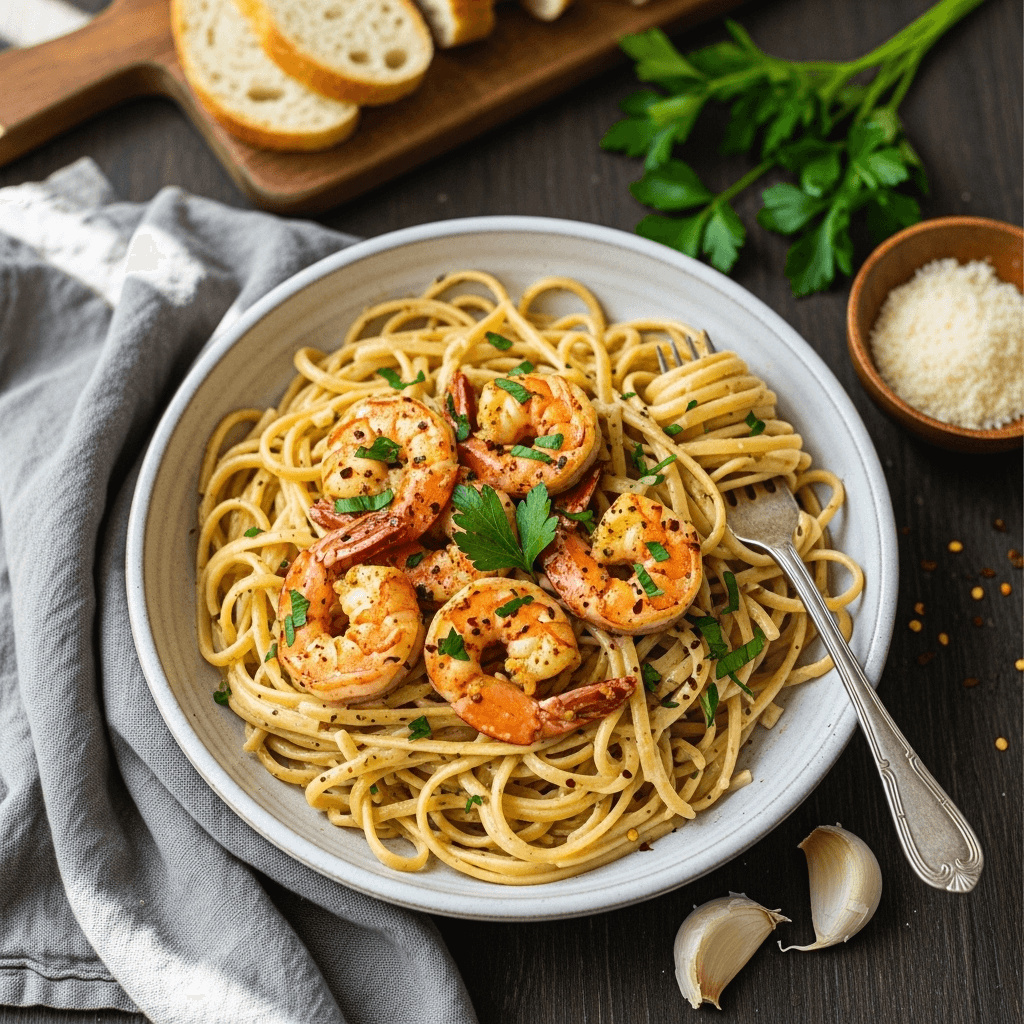
If you’re craving a restaurant-quality meal that comes together in just 30 minutes, this Creamy Cajun Shrimp Linguine is about to become your new weeknight favorite. Imagine perfectly seasoned, plump shrimp nestled in silky linguine, all coated in a rich, spicy-creamy sauce that’s absolutely irresistible. This dish strikes the perfect balance between comfort food and something special enough to serve to guests.
The beauty of this recipe lies in its simplicity. You don’t need fancy ingredients or professional cooking skills—just a few pantry staples, fresh shrimp, and about half an hour of your time. The Cajun seasoning brings a warm, smoky heat that’s balanced beautifully by heavy cream and parmesan cheese, creating a sauce so delicious you’ll want to soak up every last drop with crusty bread.
This pasta dish is perfect for busy weeknights when you want something more exciting than plain spaghetti, date nights at home, or even casual dinner parties. It’s impressive enough to wow your guests but easy enough that you won’t be stressed in the kitchen. Plus, it’s a one-pan wonder (well, technically two if you count the pasta pot), which means minimal cleanup—always a win in my book!
History / Background
Cajun cuisine has its roots in Louisiana, born from the Acadian people who settled in the bayous and prairies of South Louisiana in the 18th century. These French-speaking immigrants from Canada adapted their traditional cooking methods to incorporate local ingredients like crawfish, shrimp, andouille sausage, and an abundance of aromatic vegetables they called the “holy trinity”—onions, celery, and bell peppers.
The term “Cajun” itself is an adaptation of “Acadian,” and the cuisine reflects a beautiful fusion of French, Spanish, West African, and Native American influences. Traditional Cajun cooking was born out of resourcefulness, with families making the most of what they could catch, grow, or hunt. The bold seasoning blends we associate with Cajun food today—featuring paprika, cayenne, garlic powder, and dried herbs—were developed to preserve and flavor meats in the hot Louisiana climate.
While creamy pasta dishes aren’t traditionally Cajun (pasta was more of an Italian-American staple), the marriage of Cajun flavors with Italian-style pasta became popular in the 1980s and 1990s as American fusion cuisine took off. Restaurants began experimenting with combining the bold, spicy flavors of Louisiana with creamy pasta sauces, and dishes like Cajun Chicken Pasta and Cajun Shrimp Pasta became menu favorites across the country.
This particular recipe represents that beautiful culinary crossroads where Southern boldness meets Italian comfort. It’s not authentic Cajun in the traditional sense, but it honors the spirit of Cajun cooking—big flavors, fresh ingredients, and food that brings people together around the table.
Why You’ll Love This Recipe
This Creamy Cajun Shrimp Linguine checks all the boxes for a perfect weeknight dinner. It’s the kind of recipe you’ll make once and then add to your regular rotation because it’s just that good—and that easy.
The sauce is incredibly luxurious without being heavy, and the Cajun seasoning adds just enough kick to keep things interesting without overwhelming your palate. If you’ve ever ordered pasta at a restaurant and thought “I wish I could make this at home,” this is your moment. It tastes like it came from a fancy Italian-Creole restaurant, but you’ll make it in your own kitchen with minimal fuss.
Here’s why you’ll absolutely love this recipe:
- Ready in 30 minutes – Perfect for busy weeknights when you’re short on time but not on appetite
- One-pan simplicity – Less cleanup means more time to actually enjoy your meal
- Restaurant-quality flavor – Your family will think you ordered takeout from that fancy place downtown
- Customizable heat level – Easily adjust the spice to suit your preference or family’s taste buds
- Budget-friendly – Shrimp is often on sale, and the rest are pantry staples you probably already have
- Crowd-pleaser – Even picky eaters love creamy pasta, and the Cajun flavor adds excitement
- Impressive presentation – This dish looks as stunning as it tastes, perfect for entertaining
- Protein-packed – The shrimp provides lean protein while keeping the dish feeling light and fresh
- Versatile – Swap shrimp for chicken, add vegetables, or make it spicier—it’s your canvas
Ingredient Notes
Let’s talk about what makes this dish sing. Each ingredient plays an important role in creating that perfect balance of flavors and textures.
Shrimp: Use large or jumbo shrimp (21-25 count or 16-20 count per pound). Fresh is ideal, but frozen works beautifully—just thaw them properly in the fridge overnight or under cold running water. Make sure to get them deveined and peeled to save yourself prep time. The shrimp should be patted completely dry before seasoning so they get a nice sear.
Linguine: This flat pasta shape is perfect for creamy sauces because it provides more surface area for the sauce to cling to. You can substitute fettuccine, spaghetti, or even penne if that’s what you have on hand. Cook it al dente—it’ll finish cooking slightly when you toss it with the sauce.
Cajun Seasoning: This is your flavor powerhouse. You can use store-bought blends like Tony Chachere’s or Zatarain’s, or make your own with paprika, garlic powder, onion powder, cayenne, oregano, and thyme. Store-bought is convenient and consistent, but homemade lets you control the salt and heat levels.
Heavy Cream: This creates that luxurious, velvety sauce. Don’t substitute with milk—you need the fat content for the sauce to properly emulsify and coat the pasta. Half-and-half can work in a pinch, but the sauce won’t be quite as rich.
Parmesan Cheese: Use freshly grated Parmesan, not the pre-grated stuff in the green can. Fresh Parmesan melts better and has superior flavor. Pecorino Romano works too if you want a sharper, saltier kick.
Garlic: Fresh garlic is non-negotiable here. It adds aromatic depth that garlic powder simply can’t replicate. Mince it finely so it distributes evenly through the sauce.
Chicken Broth: Adds savory depth without making the sauce too heavy. Low-sodium is best so you can control the salt level. Vegetable broth works if you want to keep it vegetarian-friendly (if using non-shrimp protein).
Butter and Olive Oil: The combination prevents burning and adds richness. Butter brings flavor, olive oil raises the smoke point.
Optional Add-ins: Bell peppers, cherry tomatoes, and spinach add color, nutrition, and freshness. They’re not traditional but they make this dish even better.
Equipment Needed
You don’t need a fancy kitchen to make this recipe—just a few basic tools:
- Large skillet or sauté pan (12-inch is ideal) – Needs to be big enough to hold the pasta and sauce together
- Large pot for boiling pasta – At least 6-quart capacity
- Colander for draining pasta
- Tongs or pasta fork for tossing the linguine with sauce
- Measuring cups and spoons for accurate ingredient portions
- Cutting board and sharp knife for prepping garlic and any vegetables
- Mixing bowl (optional) for tossing shrimp with seasoning
- Grater for fresh Parmesan cheese (a microplane works beautifully)
- Wooden spoon or silicone spatula for stirring the sauce
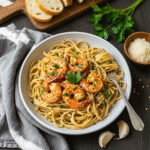
Creamy Cajun Shrimp Linguine Recipe
- Total Time: 30 minutes
- Yield: 4 servings 1x
- Diet: Gluten Free
Description
This Creamy Cajun Shrimp Linguine features perfectly seasoned jumbo shrimp in a rich, spicy cream sauce tossed with tender linguine. Ready in just 30 minutes, this restaurant-quality pasta dinner is perfect for busy weeknights or special occasions.
Ingredients
- 1 pound linguine pasta
- 1½ pounds large shrimp, peeled and deveined
- 2-3 tablespoons Cajun seasoning (divided)
- 3 tablespoons butter
- 2 tablespoons olive oil
- 5 cloves garlic, minced
- 1 cup heavy cream
- ½ cup low-sodium chicken broth
- ¾ cup freshly grated Parmesan cheese
- Salt and black pepper to taste
- Fresh parsley, chopped (for garnish)
- Red pepper flakes (optional, for extra heat)
Optional Add-ins:
- 1 red bell pepper, thinly sliced
- 1 cup cherry tomatoes, halved
- 2 cups fresh spinach
- ½ cup sun-dried tomatoes
Instructions
- Cook the pasta: Bring a large pot of salted water to a boil. Add linguine and cook according to package directions until al dente (usually 8-10 minutes). Reserve 1 cup of pasta water before draining. Drain and set aside.
- Season the shrimp: Pat shrimp completely dry with paper towels. In a bowl, toss shrimp with 1½-2 tablespoons of Cajun seasoning until evenly coated. Make sure each shrimp is well-seasoned.
- Sear the shrimp: Heat a large skillet over medium-high heat. Add 1 tablespoon butter and 1 tablespoon olive oil. Once butter is melted and pan is hot, add shrimp in a single layer (work in batches if needed to avoid overcrowding). Cook for 2 minutes per side until pink and opaque. Remove shrimp to a plate and set aside.
- Make the sauce base: In the same skillet, reduce heat to medium. Add remaining butter and olive oil. Add minced garlic and sauté for 30-60 seconds until fragrant (don’t let it burn).
- Add vegetables (optional): If using bell peppers, add them now and cook for 3-4 minutes until slightly softened. Add cherry tomatoes if using and cook for another 2 minutes.
- Create the creamy sauce: Pour in chicken broth and scrape up any browned bits from the bottom of the pan. Add heavy cream and remaining Cajun seasoning (start with ½-1 tablespoon and adjust to taste). Bring to a gentle simmer.
- Add cheese: Reduce heat to medium-low. Stir in Parmesan cheese gradually, whisking until melted and sauce is smooth. Let simmer for 2-3 minutes until slightly thickened.
- Combine everything: Add the cooked linguine to the skillet, tossing with tongs to coat every strand in the creamy sauce. If sauce is too thick, add reserved pasta water a little at a time until you reach desired consistency. Add spinach if using and toss until wilted.
- Finish the dish: Return shrimp to the pan and toss gently to combine and heat through, about 1-2 minutes. Taste and adjust seasoning with salt, pepper, or additional Cajun seasoning if needed.
- Serve: Divide pasta among plates, making sure each serving gets plenty of shrimp. Garnish with fresh chopped parsley, extra Parmesan cheese, and red pepper flakes if desired. Serve immediately while hot.
Notes
- Spice Level: Cajun seasoning brands vary in heat. Start with less and add more to taste. If it’s too spicy, add more cream or Parmesan.
- Pasta Water: Don’t skip reserving pasta water—the starch helps the sauce cling to the noodles perfectly.
- Shrimp Size: Larger shrimp work best here. If using smaller shrimp, reduce cooking time to 1 minute per side.
- Make it Lighter: Substitute half-and-half for heavy cream (sauce will be thinner) or use cauliflower cream.
- Wine Addition: Add ¼ cup white wine with the chicken broth for extra depth of flavor.
- Prep Time: 10 minutes
- Cook Time: 20 minutes
- Category: Dinner, Main Course
- Method: Stovetop
- Cuisine: Cajun-Italian Fusion
Nutrition
- Serving Size: 1 plate (approximately 2 cups)
- Calories: 685
- Sugar: 4g
- Sodium: 890mg
- Fat: 32g
- Saturated Fat: 17g
- Unsaturated Fat: 12g
- Trans Fat: 0g
- Carbohydrates: 58g
- Fiber: 3g
- Protein: 42g
- Cholesterol: 285mg
Nutrition information is approximate and based on using full-fat heavy cream and standard Cajun seasoning. Values may vary based on specific ingredients used.
Tips & Variations
Make it Spicier:
Add extra cayenne pepper or red pepper flakes to the sauce. You can also use “hot” Cajun seasoning blends or add diced jalapeños to the sauce while it simmers.
Lighten it Up:
Swap heavy cream for half-and-half or use a mixture of cream cheese and milk. You can also use Greek yogurt stirred in at the end (off heat to prevent curdling).
Protein Swaps:
Replace shrimp with blackened chicken breast, sliced andouille sausage, crawfish tails, or even seared scallops. For vegetarian, use chickpeas or white beans.
Vegetable Additions:
Mushrooms, zucchini, asparagus, or broccoli all work beautifully. Sauté them before making the sauce and set aside with the shrimp.
Pasta Alternatives:
Try this with fettuccine, penne, rigatoni, or even zucchini noodles for a low-carb version. Gluten-free pasta works perfectly too.
Cheese Variations:
Mix in some cream cheese for extra richness, add mozzarella for stretchy goodness, or use a blend of Parmesan and Asiago.
Add Brightness:
A squeeze of fresh lemon juice at the end brightens all the flavors. Fresh basil or lemon zest make beautiful garnishes.
Pro Chef Tips
Dry Your Shrimp Thoroughly: This is the secret to getting a beautiful sear instead of steamed, rubbery shrimp. Use paper towels and really pat them dry—moisture is the enemy of a good crust.
Don’t Overcook the Shrimp: Shrimp cook incredibly fast. As soon as they turn pink and form a C-shape, they’re done. Overcooked shrimp become tough and chewy. When in doubt, slightly undercook them—they’ll finish cooking when you toss them back in the hot sauce.
Season in Layers: Season the shrimp, season the sauce, taste and adjust at the end. Building flavor in stages creates depth that you can’t achieve by dumping all your seasoning in at once.
Use the Fond: Those browned bits stuck to the pan after searing the shrimp are pure flavor gold. When you add the broth, scrape them up with a wooden spoon—they’ll dissolve into the sauce and add incredible depth.
Control Your Heat: Medium-high for searing shrimp, medium for sautéing garlic, medium-low for the cream sauce. Cream sauces can break or curdle if the heat is too high, so patience pays off.
Finish Pasta in the Sauce: Don’t just pour sauce over pasta on the plate. Tossing the pasta in the pan with the sauce for a minute or two allows the noodles to absorb flavor and the starchy pasta creates a silkier sauce.
Fresh Parmesan Makes a Difference: Pre-grated cheese contains anti-caking agents that prevent smooth melting. Grate a block of Parmesan yourself—it takes two minutes and transforms the sauce texture.
Common Mistakes to Avoid
Overcrowding the Pan When Cooking Shrimp: If you pile all the shrimp in at once, they’ll steam instead of sear. Work in batches if needed, leaving space between each shrimp. This gives you that beautiful golden crust.
Boiling the Cream Sauce: High heat causes cream to separate and become grainy. Keep the heat at medium-low once you add the cream, and let it simmer gently, not boil aggressively.
Not Salting the Pasta Water Enough: Your pasta water should taste like the sea. This is your only chance to season the pasta itself from the inside out. Under-salted pasta makes the whole dish bland.
Adding Cheese Too Fast or Over High Heat: Dump all the Parmesan in at once over high heat and you’ll get clumps. Add it gradually over medium-low heat, stirring constantly, for a smooth, creamy sauce.
Draining Away All the Pasta Water: That starchy pasta water is liquid gold for adjusting sauce consistency. Always reserve at least a cup before draining—you can always pour it down the drain later, but you can’t get it back once it’s gone.
Storage & Meal Prep
Refrigerator Storage:
Store leftovers in an airtight container in the refrigerator for up to 3 days. Keep in mind that cream sauces can thicken considerably when cold, and pasta continues to absorb sauce over time.
Reheating Instructions:
The best method is on the stovetop in a skillet over medium-low heat. Add a splash of chicken broth, cream, or even just water to loosen the sauce as it reheats. Stir gently and frequently to prevent sticking. You can also microwave in 30-second intervals, stirring between each, adding a little liquid to maintain creaminess.
Texture After Storage:
Cream sauces don’t reheat quite as perfectly as when freshly made—the pasta may absorb more sauce and the texture might be slightly different. Adding liquid while reheating helps restore the creamy consistency.
Storage Tip:
If you know you’ll have leftovers, slightly undercook the pasta (by about 1 minute) initially. It will continue cooking as it sits in the sauce, and when you reheat it, the texture will be much better.
Make-Ahead & Freezer Notes
Make-Ahead Instructions:
You can prep components ahead to make dinner time easier. Season the shrimp and store covered in the fridge for up to 24 hours. Chop your garlic and vegetables the night before. You can even make the sauce ahead and refrigerate it for up to 2 days—just reheat gently and cook the pasta and shrimp fresh.
Freezer-Friendly?
Honestly, cream-based pasta dishes don’t freeze particularly well because the sauce tends to separate and become grainy when thawed. The pasta also gets mushy. If you absolutely must freeze it, store in an airtight, freezer-safe container for up to 1 month.
Thawing and Reheating from Frozen:
Thaw overnight in the refrigerator, then reheat gently on the stovetop with additional cream or broth to help re-emulsify the sauce. Stir frequently over low heat. The texture won’t be quite as perfect as fresh, but it’s still edible.
Better Freezer Option:
Instead of freezing the complete dish, freeze just the seasoned cooked shrimp. When you’re ready to eat, make fresh pasta and sauce (which only takes 20 minutes) and add the thawed shrimp at the end.
Serving Suggestions
This Creamy Cajun Shrimp Linguine is hearty enough to stand on its own, but pairing it with the right sides takes the meal to the next level.
Bread:
Crusty garlic bread, buttery French bread, or homemade breadsticks are perfect for soaking up every bit of that incredible sauce. A warm baguette sliced and brushed with garlic butter is always a hit.
Salads:
Balance the richness with a crisp green salad. Try a simple Caesar salad, mixed greens with balsamic vinaigrette, or a refreshing cucumber tomato salad with lemon and herbs.
Vegetables:
Roasted asparagus, garlic green beans, or sautéed broccolini make excellent sides. You can also serve steamed broccoli or roasted Brussels sprouts for some green on the plate.
Wine Pairing:
A crisp white wine cuts through the richness beautifully. Try Sauvignon Blanc, Pinot Grigio, or an unoaked Chardonnay. If you prefer red, a light Pinot Noir works surprisingly well with the Cajun spices.
Complete the Meal:
For a true Southern-inspired feast, serve with coleslaw, cornbread, or even hushpuppies on the side. A cold sweet tea or sparkling water with lemon makes a refreshing beverage choice.
FAQs Section
Can I use a different type of pasta?
Absolutely! While linguine is traditional, fettuccine, spaghetti, penne, or rigatoni all work wonderfully. The key is choosing a pasta shape that will hold onto that creamy sauce. Shorter shapes like penne are great for making this easier to eat, while flat noodles like fettuccine give you that classic presentation.
How can I make this less spicy?
Start with just 1 tablespoon of Cajun seasoning instead of 2-3, and taste as you go. You can also use a mild Cajun blend or make your own with more paprika and less cayenne. Adding extra cream or Parmesan also mellows the heat. Remember, it’s easier to add spice than to take it away!
Can I use frozen shrimp?
Yes! Frozen shrimp work perfectly. Just make sure to thaw them completely first—either overnight in the refrigerator or by placing them in a colander under cold running water for about 15 minutes. Pat them very dry before seasoning and cooking.
My sauce is too thick/thin—how do I fix it?
If the sauce is too thick, add reserved pasta water or additional chicken broth, a tablespoon at a time, until you reach your desired consistency. If it’s too thin, let it simmer a bit longer to reduce, or add a little more grated Parmesan to thicken it up naturally.
Can I make this dairy-free?
You can try using full-fat coconut milk or cashew cream instead of heavy cream. Use nutritional yeast instead of Parmesan for a cheesy flavor. The taste will be different but still delicious in its own way.
What if I don’t have Cajun seasoning?
Make your own! Combine 2 teaspoons paprika, 1 teaspoon garlic powder, 1 teaspoon onion powder, ½ teaspoon dried oregano, ½ teaspoon dried thyme, ½ teaspoon cayenne pepper (or less for milder), ½ teaspoon black pepper, and ¼ teaspoon salt. Mix well and use as directed.
How do I know when shrimp are done?
Shrimp cook very quickly—usually just 2 minutes per side. They’re done when they turn pink and opaque, and curl into a loose C-shape. If they curl into a tight O-shape, they’re overcooked. The internal temperature should reach 120°F, but visual cues are usually enough.
Conclusion
There you have it—a restaurant-worthy Creamy Cajun Shrimp Linguine that’s easier to make than ordering takeout and tastes absolutely incredible. This recipe proves that you don’t need hours in the kitchen or a culinary degree to create something truly special. With just 30 minutes and a handful of ingredients, you can serve up a dish that’ll have everyone asking for seconds.
The beauty of this recipe is its versatility. Make it exactly as written for a perfectly balanced meal, or customize it to suit your family’s preferences. Add more vegetables for extra nutrition, dial up the heat for spice lovers, or keep it mild for the kiddos. However you make it, you’re going to love how those bold Cajun flavors play with the rich, creamy sauce.
I hope this becomes a regular in your dinner rotation, just like it has in mine. There’s something magical about twirling creamy, perfectly seasoned pasta on your fork and knowing you made it yourself. So grab those ingredients, fire up your stove, and get ready to impress yourself (and everyone you’re cooking for).
Happy cooking, and don’t forget to save some of that delicious sauce for dipping your garlic bread!