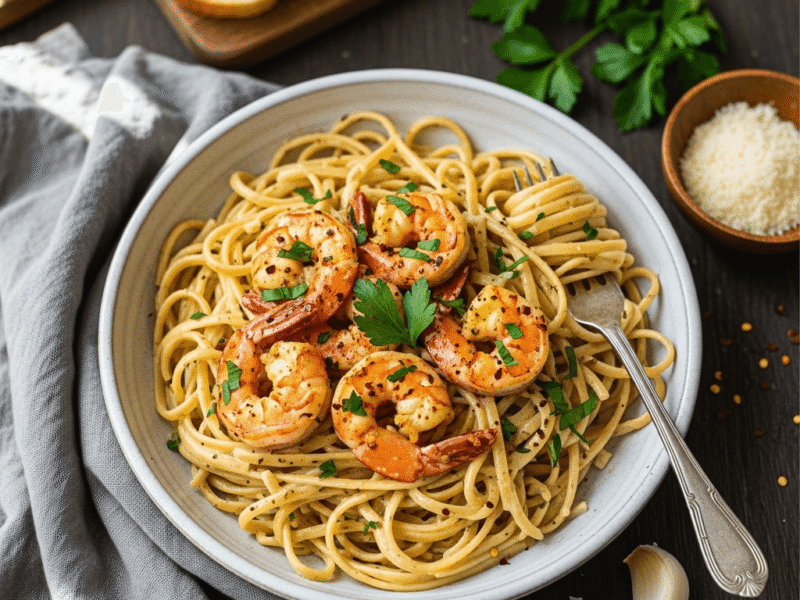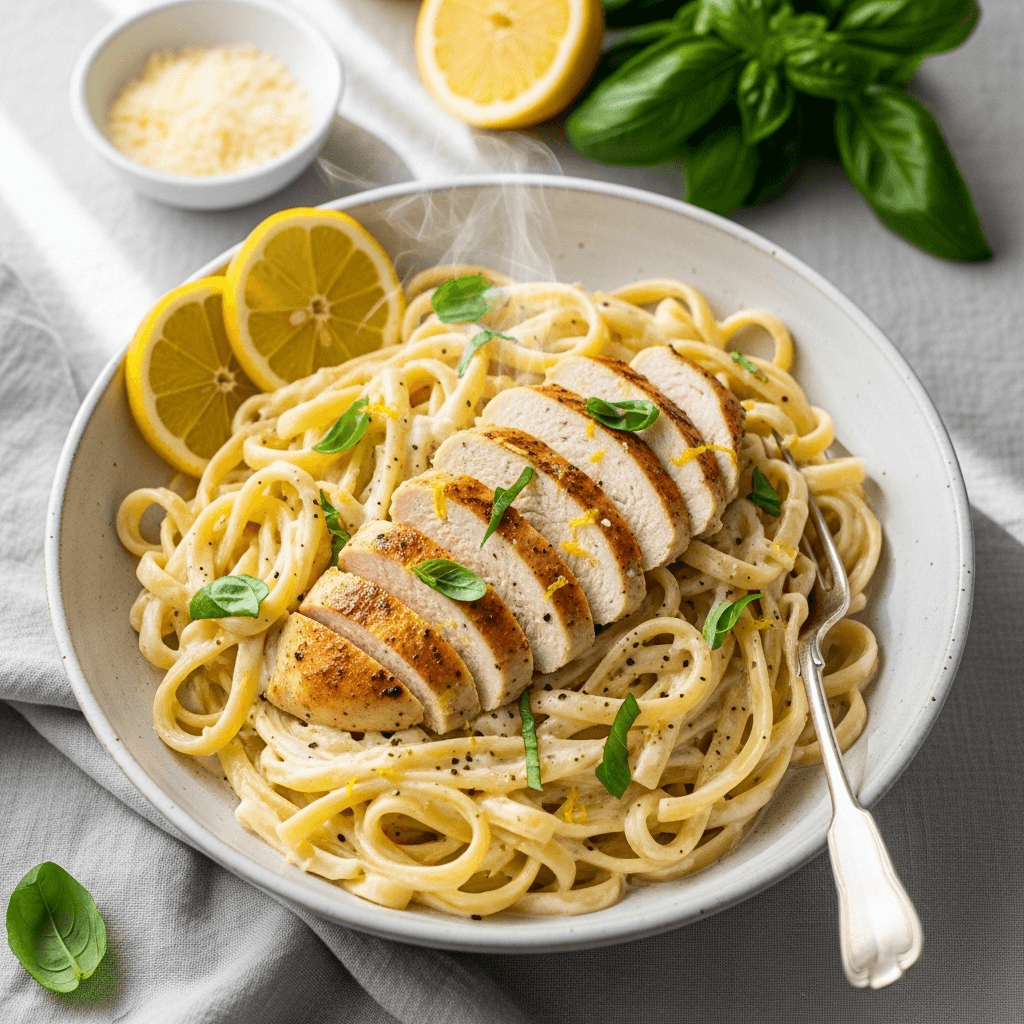

There’s something absolutely magical about a plate of perfectly cooked pasta coated in a velvety lemon cream sauce with tender chicken pieces nestled throughout. This Creamy Lemon Chicken Pasta is the kind of dinner that makes you feel like you’ve ordered from your favorite Italian restaurant—except you made it yourself in your own kitchen in just about 30 minutes.
This recipe brings together succulent chicken breast, al dente pasta, bright lemon flavor, and a silky cream sauce that clings to every strand. It’s the perfect weeknight dinner when you want something special without spending hours in the kitchen. The balance of rich creaminess with tangy lemon creates a flavor profile that’s sophisticated yet comforting, making it ideal for busy Tuesday nights, date nights at home, or when you want to impress guests without the stress.
Whether you’re a college student learning to cook, a busy parent juggling after-school activities, or someone who simply loves good food, this recipe will become your go-to comfort meal. It’s elegant enough for entertaining but simple enough for everyday cooking.
History / Background
While pasta with cream sauce has Italian roots dating back centuries, the American interpretation of creamy lemon chicken pasta is a relatively modern creation born from the fusion of Italian-American cuisine and California’s fresh, citrus-forward cooking style. This dish represents the evolution of traditional Italian carbonara and alfredo sauces, which were reimagined by American home cooks who wanted lighter, brighter flavors.
The combination of lemon and cream in pasta dishes became particularly popular in the 1990s and early 2000s when Mediterranean-inspired cooking swept through American kitchens. Chefs began incorporating more fresh herbs, citrus, and lighter preparations into traditionally heavy cream-based dishes. The addition of chicken transformed it from a side dish or first course into a complete one-pan meal that satisfied American dinner preferences.
Lemon chicken pasta also reflects the influence of California cuisine, which emphasized fresh, seasonal ingredients and bright flavors. The Golden State’s abundant lemon groves and year-round access to fresh produce inspired cooks to add citrus to classic dishes, creating this perfect marriage of Italian technique and American innovation.
Today, creamy lemon chicken pasta has become a staple in home kitchens across the United States, featured on restaurant menus from casual trattorias to upscale bistros, and shared millions of times on Pinterest and food blogs as home cooks search for that perfect balance of comfort and freshness.
Why You’ll Love This Recipe
This Creamy Lemon Chicken Pasta isn’t just another pasta recipe—it’s a game-changer for your dinner rotation. The bright lemon cuts through the richness of the cream, creating a sauce that’s indulgent without being heavy. The tender chicken adds protein, making this a complete meal in one bowl. Plus, the entire dish comes together in one pan, which means minimal cleanup—something every home cook appreciates on a busy weeknight.
Here’s why this recipe will become your new favorite:
- Restaurant-quality flavor at home – Tastes like you ordered takeout from an Italian bistro, but costs a fraction of the price
- Ready in 30 minutes – Perfect for busy weeknights when you need dinner fast but don’t want to sacrifice flavor
- One-pan wonder – Everything cooks in one skillet, meaning less cleanup and more time to relax
- Crowd-pleaser approved – Both kids and adults love the creamy, comforting flavors
- Easily customizable – Adapt it to your dietary needs or flavor preferences with simple swaps
- Budget-friendly – Uses affordable, everyday ingredients you probably already have
- Impressive yet simple – Looks and tastes fancy enough for date night or guests, but easy enough for Tuesday dinner
- Balanced nutrition – Includes protein, carbs, and you can easily add vegetables
- Great for meal prep – Makes wonderful leftovers that reheat beautifully
Ingredient Notes
Understanding your ingredients helps you make better cooking decisions and create the best possible dish. Here’s what you need to know about each component:
Chicken Breast – Choose boneless, skinless chicken breasts for quick cooking and easy slicing. Pound them to even thickness for uniform cooking. You can substitute with chicken thighs for a richer, more flavorful option, though cooking time may increase slightly.
Pasta – Fettuccine, linguine, or penne work beautifully here. Long pasta like fettuccine catches the creamy sauce wonderfully, while penne’s ridges hold the sauce inside each piece. Use regular, whole wheat, or gluten-free pasta depending on your preference.
Heavy Cream – Creates the luxurious, silky texture that makes this dish so special. For a lighter version, substitute half-and-half, though the sauce will be slightly thinner. Avoid low-fat milk as it won’t create the proper consistency.
Fresh Lemons – Fresh lemon juice and zest are non-negotiable here. Bottled lemon juice simply doesn’t provide the bright, fresh flavor this dish needs. You’ll need about 2-3 lemons total for both juice and zest.
Garlic – Fresh minced garlic adds aromatic depth. Use 3-4 cloves for robust flavor. Pre-minced jarred garlic works in a pinch but won’t be quite as pungent.
Parmesan Cheese – Freshly grated Parmesan melts smoothly into the sauce and adds savory, umami depth. Pre-shredded cheese contains anti-caking agents that prevent smooth melting, so buy a block and grate it yourself.
Chicken Broth – Adds savory flavor and helps create the sauce. Low-sodium broth gives you better control over salt levels.
Butter – Adds richness and helps create a silky sauce. Use real butter, not margarine, for best flavor.
Olive Oil – For cooking the chicken. Extra virgin has more flavor, but regular olive oil works fine since we’re cooking at higher heat.
Fresh Herbs – Basil, parsley, or thyme add fresh, bright flavor. Use what you have or prefer.
Salt and Pepper – Essential for seasoning. Freshly ground black pepper makes a noticeable difference.
Equipment Needed
Having the right tools makes cooking easier and more enjoyable. Here’s what you’ll need for this recipe:
- Large skillet or sauté pan (12-inch minimum) – Needs to be large enough to hold chicken and pasta
- Large pot – For boiling pasta
- Colander – For draining pasta
- Cutting board – For prepping chicken and ingredients
- Sharp chef’s knife – For slicing chicken and mincing garlic
- Meat mallet or rolling pin – For pounding chicken to even thickness (optional but helpful)
- Tongs – For flipping chicken and tossing pasta
- Measuring cups and spoons – For accurate measurements
- Wooden spoon or spatula – For stirring sauce
- Microplane or zester – For zesting lemons
- Juicer – Makes extracting lemon juice easier (or just use your hands and a fork)
- Grater – For fresh Parmesan cheese
Creamy Lemon Chicken Pasta Recipe
- Total Time: 30 minutes
- Yield: 4 servings 1x
- Diet: Gluten Free
Description
This Creamy Lemon Chicken Pasta features tender chicken breast and perfectly cooked pasta in a luxurious lemon cream sauce. Fresh lemon juice and zest brighten the rich cream, while garlic and Parmesan add depth. Ready in just 30 minutes, this restaurant-quality dish is perfect for busy weeknights or special occasions.
Ingredients
- 1 lb boneless, skinless chicken breasts, pounded to even thickness
- 12 oz pasta (fettuccine, linguine, or penne)
- 1 cup heavy cream
- ½ cup chicken broth
- ⅓ cup freshly grated Parmesan cheese
- 3 tablespoons fresh lemon juice (about 1-2 lemons)
- 2 teaspoons lemon zest
- 4 cloves garlic, minced
- 3 tablespoons butter, divided
- 2 tablespoons olive oil
- ¼ cup fresh basil or parsley, chopped
- 1 teaspoon Italian seasoning
- ¾ teaspoon salt (divided)
- ½ teaspoon black pepper (divided)
- ¼ teaspoon red pepper flakes (optional)
Instructions
- Prepare the chicken: Pat chicken breasts dry with paper towels. If they’re thick, pound them to about ¾-inch thickness for even cooking. Season both sides generously with ½ teaspoon salt, ¼ teaspoon black pepper, and Italian seasoning.
- Cook the pasta: Bring a large pot of salted water to a boil. Cook pasta according to package directions until al dente. Reserve 1 cup of pasta water before draining. Set drained pasta aside.
- Cook the chicken: Heat olive oil and 1 tablespoon butter in a large skillet over medium-high heat. Once hot and shimmering, add chicken breasts. Cook for 5-6 minutes per side until golden brown and cooked through (internal temperature should reach 165°F). Remove chicken to a plate and tent with foil to keep warm.
- Make the sauce: In the same skillet, reduce heat to medium. Add remaining 2 tablespoons butter. Once melted, add minced garlic and cook for 30-60 seconds until fragrant, stirring constantly to prevent burning.
- Add liquids: Pour in chicken broth and use a wooden spoon to scrape up any browned bits from the bottom of the pan (this adds incredible flavor). Let simmer for 2 minutes.
- Create the cream sauce: Reduce heat to medium-low. Stir in heavy cream, lemon juice, and lemon zest. Simmer gently for 3-4 minutes, stirring occasionally, until sauce begins to thicken slightly.
- Add cheese: Remove from heat and stir in freshly grated Parmesan cheese until melted and smooth. Season with remaining ¼ teaspoon salt and ¼ teaspoon pepper. Taste and adjust seasoning as needed.
- Slice the chicken: While sauce simmers, slice the cooked chicken into ½-inch thick strips or bite-sized pieces.
- Combine everything: Add the cooked pasta to the skillet with the cream sauce. Toss well to coat every strand. If sauce seems too thick, add reserved pasta water 2 tablespoons at a time until you reach desired consistency.
- Finish and serve: Add sliced chicken back to the pan along with fresh chopped herbs. Toss gently to combine. If desired, add red pepper flakes for a subtle kick. Serve immediately, garnished with extra Parmesan, fresh herbs, and lemon slices.
Notes
- Don’t skip reserving pasta water – The starchy water helps thin the sauce and helps it cling to the pasta better.
- Chicken temperature matters – Use a meat thermometer to ensure chicken reaches 165°F internal temperature.
- Work quickly once cream is added – Cream sauce can break if overheated, so keep heat at medium-low.
- Fresh lemon is essential – Bottled lemon juice won’t give you the bright, fresh flavor this recipe needs.
- Grate Parmesan fresh – Pre-shredded cheese won’t melt smoothly into the sauce.
- Adjust consistency – Sauce thickens as it sits. Add pasta water or broth to thin it if needed.
- Prep Time: 10 minutes
- Cook Time: 20 minutes
- Category: Dinner
- Method: Stovetop
- Cuisine: Italian-American
Nutrition
- Serving Size: 1 serving (approximately 2 cups)
- Calories: 685
- Sugar: 3g
- Sodium: 620mg
- Fat: 35g
- Saturated Fat: 18g
- Unsaturated Fat: 14g
- Trans Fat: 0g
- Carbohydrates: 52g
- Fiber: 3g
- Protein: 42g
- Cholesterol: 165mg
Nutritional information is approximate and will vary based on exact ingredients used and portion sizes.
Tips & Variations
One of the best things about this recipe is how easily you can adapt it to your preferences or what you have on hand. Here are some delicious ways to customize your Creamy Lemon Chicken Pasta:
Make it spicy: Add ½ teaspoon red pepper flakes to the sauce, or drizzle with chili oil before serving. Spicy Italian sausage can replace half the chicken for extra kick.
Add vegetables: Stir in fresh baby spinach, arugula, or kale during the last minute of cooking. Sun-dried tomatoes, roasted red peppers, or sautéed mushrooms add great flavor and nutrition. Asparagus or broccoli can be blanched and tossed in.
Protein swaps: Use shrimp instead of chicken for a seafood version (cook for just 2-3 minutes per side). Salmon works beautifully too. For vegetarian, omit meat and double the vegetables, or add white beans for protein.
Lighter version: Use half-and-half instead of heavy cream, or do half cream and half Greek yogurt (add yogurt off heat). Reduce butter to 1 tablespoon. Use whole wheat pasta for extra fiber.
Herb variations: Try fresh thyme, oregano, or dill instead of basil. A combination of herbs creates complex flavor.
Extra lemon lovers: Add an extra tablespoon of lemon juice and more zest for maximum citrus brightness.
Make it cheesier: Stir in cream cheese for extra richness, or try mascarpone for Italian authenticity.
Garlic boost: Double the garlic for serious garlic lovers, or add roasted garlic for sweeter, mellower flavor.
Pro Chef Tips
These professional techniques will take your Creamy Lemon Chicken Pasta from good to absolutely phenomenal:
Pound your chicken evenly: This isn’t just busy work—chicken breasts that are the same thickness throughout cook evenly, preventing dry edges and raw centers. Place between plastic wrap and use a meat mallet or heavy pan to pound to ¾-inch thickness.
Salt your pasta water properly: It should taste like the ocean. This is your only chance to season the pasta itself from the inside out. Use about 1-2 tablespoons of salt per gallon of water.
Don’t overcook the pasta: Cook pasta 1 minute less than package directions since it will continue cooking in the sauce. Al dente pasta has better texture and holds sauce better.
Get a golden crust on the chicken: Make sure your pan is properly heated before adding chicken, and resist the urge to move it around. Let it develop a beautiful golden crust for maximum flavor.
Use the fond: Those brown bits stuck to the pan after cooking chicken are pure flavor gold. Deglazing with broth releases all that deliciousness into your sauce.
Control your heat with cream: Once you add cream, reduce heat to medium-low. High heat can cause cream to break or curdle, resulting in a grainy sauce instead of silky smooth.
Zest before juicing: Always zest your lemons before cutting and juicing them—it’s nearly impossible to zest a halved lemon.
Add Parmesan off heat: Remove the pan from the burner before stirring in Parmesan to prevent it from clumping or becoming stringy.
Emulsify with pasta water: The starch in pasta water helps bind the sauce to the pasta and creates a glossy, cohesive dish. This is a chef secret for restaurant-quality pasta.
Rest your chicken: Let cooked chicken rest for 5 minutes before slicing. This allows juices to redistribute, keeping the meat moist and tender.
Common Mistakes to Avoid
Even experienced cooks can run into trouble with cream sauces. Here’s how to sidestep the most common pitfalls:
Boiling the cream: High heat causes cream to break and become grainy. Always simmer gently on medium-low heat. If your sauce looks curdled, remove from heat immediately and whisk in a splash of cold cream.
Overcooking the chicken: Dry, rubbery chicken ruins this dish. Use a meat thermometer and remove chicken at exactly 165°F internal temperature. Carryover cooking will bring it to perfect doneness as it rests.
Using pre-shredded cheese: Those anti-caking agents prevent smooth melting, leaving you with a gritty sauce and clumps. Always grate Parmesan fresh from a block.
Adding cheese while pan is too hot: This causes cheese to seize up and become stringy. Always remove from heat before stirring in Parmesan, then return to gentle warmth if needed.
Not reserving pasta water: Many home cooks forget this crucial step. Set a measuring cup by the stove so you remember to scoop some out before draining. That starchy water is liquid gold for perfecting sauce consistency.
Rinsing the pasta: Never rinse pasta you’re serving with sauce. The starch coating helps sauce adhere. Only rinse pasta for cold pasta salads.
Crowding the pan: If your chicken pieces touch, they’ll steam instead of getting that beautiful golden sear. Cook in batches if needed, or use a larger pan.
Storage & Meal Prep
Knowing how to properly store and reheat leftovers means you can enjoy this delicious pasta for days after making it:
Refrigerator storage: Store leftovers in an airtight container in the refrigerator for up to 3-4 days. The pasta will absorb some sauce as it sits, which is normal. Separate chicken from pasta if you want to maintain better texture.
Reheating on stovetop: This is the best method for maintaining creamy texture. Place pasta in a skillet over medium-low heat. Add 2-3 tablespoons of chicken broth, cream, or milk to loosen the sauce. Stir gently until heated through, about 5-7 minutes.
Reheating in microwave: Place pasta in a microwave-safe dish and add a splash of cream or milk. Cover with a damp paper towel to prevent drying out. Microwave in 1-minute intervals, stirring between each, until heated through.
Avoid reheating multiple times: Only reheat the portion you plan to eat. Repeated heating can cause the sauce to break and chicken to become tough.
Texture changes: Cream sauce may thicken considerably when refrigerated. This is completely normal—just add liquid when reheating to restore the creamy consistency.
Best practices: Let food cool to room temperature before refrigerating (but don’t leave out longer than 2 hours for food safety). Store in shallow containers for faster, more even cooling.
Make-Ahead & Freezer Notes
Planning ahead can make weeknight dinners even easier. Here’s how to prep this recipe in advance:
Meal prep the components: Cook and slice chicken up to 3 days ahead. Store in an airtight container in the fridge. Make the cream sauce (without pasta) up to 2 days ahead and refrigerate. Cook pasta fresh when ready to serve for best texture, or undercook by 2 minutes if making ahead.
Partial make-ahead: Season chicken and store covered in fridge up to 24 hours before cooking. Mince garlic, grate cheese, and measure other ingredients. Store each in separate containers. This makes final cooking ultra-fast.
Freezing considerations: While this dish CAN be frozen, cream sauces don’t freeze and thaw perfectly. The sauce may separate and become grainy. If you do freeze it, use within 2 months and expect some texture changes.
Best freezing method: If you must freeze, slightly undercook the pasta and use less cream in the sauce. Store in airtight freezer containers with minimal air space. Freeze chicken separately from pasta if possible.
Thawing and reheating frozen pasta: Thaw overnight in the refrigerator. Reheat gently on the stovetop, adding fresh cream or half-and-half to restore creaminess. You may need to whisk vigorously or blend briefly to re-emulsify the sauce.
Freezer-friendly alternative: Freeze the cooked, seasoned chicken separately. Make sauce and cook pasta fresh when ready to eat. This gives you a head start while maintaining better quality.
Breakfast for dinner win: This dish actually reheats beautifully for lunch the next day, so don’t be afraid to make extra even if you’re not officially meal prepping.
Serving Suggestions
While this Creamy Lemon Chicken Pasta is absolutely a complete meal on its own, these accompaniments can round out your dinner and make it even more special:
Fresh salads: A simple arugula salad with lemon vinaigrette cuts through the richness perfectly. Caesar salad is a classic Italian pairing. A caprese salad with fresh mozzarella, tomatoes, and basil adds color and freshness.
Garlic bread: Crusty garlic bread is perfect for soaking up every drop of that luscious cream sauce. Try homemade garlic knots or cheesy breadsticks for extra indulgence.
Roasted vegetables: Roasted asparagus, broccolini, or Brussels sprouts add nutritious sides and complementary flavors. Roasted cherry tomatoes bring bright acidity that balances the cream.
Wine pairings: A crisp white wine like Pinot Grigio or Sauvignon Blanc complements the lemon beautifully. Chardonnay works if you prefer something with more body. For non-alcoholic options, try sparkling water with lemon or Italian soda.
Antipasto: Start with a simple antipasto platter of olives, cured meats, and marinated vegetables for a full Italian experience.
Simple sides: Steamed green beans with butter, sautéed spinach with garlic, or roasted zucchini keep things light and healthy.
Dessert ideas: Finish with something light like lemon sorbet, panna cotta, or fresh berries with whipped cream to continue the Italian theme without overwhelming after such a rich main course.
FAQs Section
Can I use chicken thighs instead of breasts?
Absolutely! Boneless, skinless chicken thighs work wonderfully and actually add more flavor and moisture. They take slightly longer to cook—about 7-8 minutes per side. Thighs are also more forgiving if slightly overcooked, making them perfect for nervous cooks. Just ensure they reach 165°F internal temperature.
What if I don’t have heavy cream?
You can substitute half-and-half for a lighter version, though the sauce will be thinner. For the same richness, try mixing ¾ cup whole milk with ¼ cup melted butter. Avoid skim or low-fat milk as they won’t create a proper cream sauce. Greek yogurt mixed with a little milk can work off-heat, but add it slowly to prevent curdling.
Can I make this dairy-free?
Yes! Use coconut cream (the thick part from a can of coconut milk) instead of heavy cream—it creates similar richness without dairy flavor overwhelming the lemon. Nutritional yeast replaces Parmesan for cheesy flavor. Use olive oil instead of butter. The result is surprisingly delicious and creamy.
How do I keep my cream sauce from curdling?
The key is gentle heat. Once you add cream, reduce temperature to medium-low and never let it come to a rolling boil. Adding cream to a pan that’s too hot is the most common cause of curdling. If it does separate, remove from heat immediately and whisk in a tablespoon of cold cream or an ice cube.
Can I add vegetables to this dish?
Definitely! This recipe is very vegetable-friendly. Spinach, kale, or arugula can be stirred in during the last minute. Asparagus, broccoli, or snap peas should be blanched separately and added at the end. Sun-dried tomatoes, roasted red peppers, and mushrooms can be sautéed with the garlic. Just avoid watery vegetables that will thin the sauce.
My sauce is too thick—how do I fix it?
This is easily remedied. Add reserved pasta water, chicken broth, or cream 2 tablespoons at a time, stirring until you reach desired consistency. Pasta water is best because the starch helps the sauce cling to pasta. Leftover pasta always thickens in the fridge as it absorbs sauce, so always add liquid when reheating.
Can I use dried herbs instead of fresh?
You can, but fresh herbs really make this dish shine. If using dried, use about ⅓ the amount (1 teaspoon dried = 1 tablespoon fresh). Add dried herbs earlier in cooking to allow flavors to develop, while fresh herbs go in at the end to preserve their bright flavor. Dried basil and parsley work fine, but fresh makes a noticeable difference.
Conclusion
There you have it—a restaurant-worthy Creamy Lemon Chicken Pasta that’s actually simple enough for a Tuesday night but impressive enough for date night or dinner guests. The combination of tender chicken, silky cream sauce, and bright lemon creates a flavor harmony that’s absolutely irresistible. Every bite is creamy, tangy, and utterly satisfying.
The beauty of this recipe is its versatility. Whether you follow it exactly as written or make it your own with substitutions and additions, you’re guaranteed a delicious dinner that everyone will love. It’s become one of my most-requested recipes for good reason—it delivers maximum flavor with minimal effort and cleanup.
I hope you love this Creamy Lemon Chicken Pasta as much as my family does! If you make it, I’d absolutely love to hear how it turned out. Did you add vegetables? Use a different pasta shape? Make it spicy? Drop a comment below and let me know! And if you loved it, please share this recipe with your friends and family who appreciate easy, delicious home cooking.