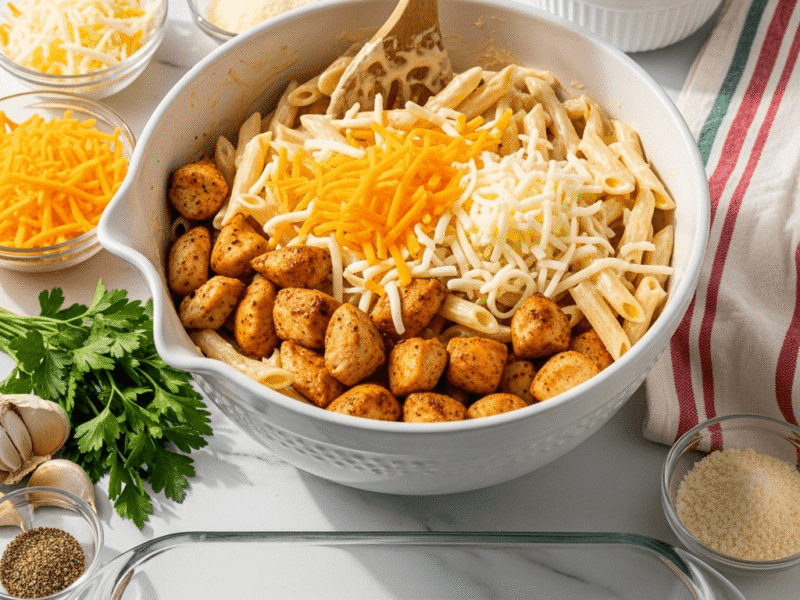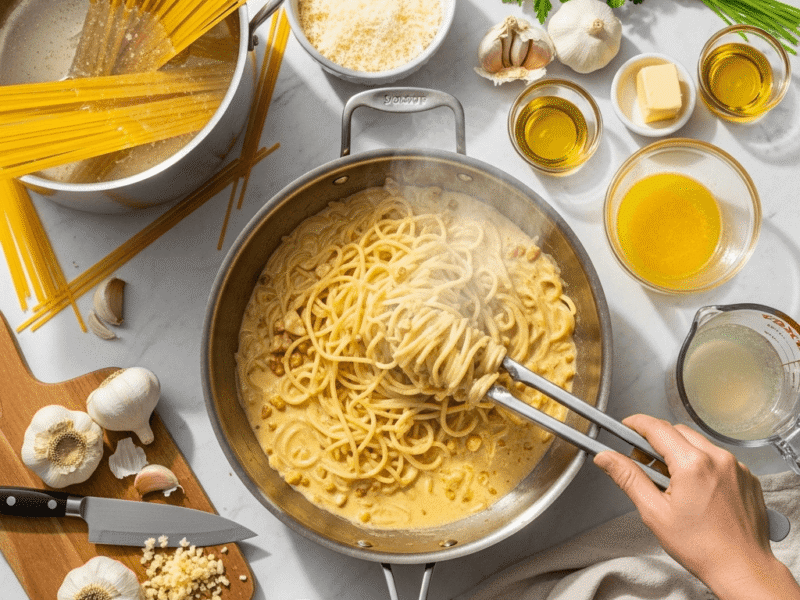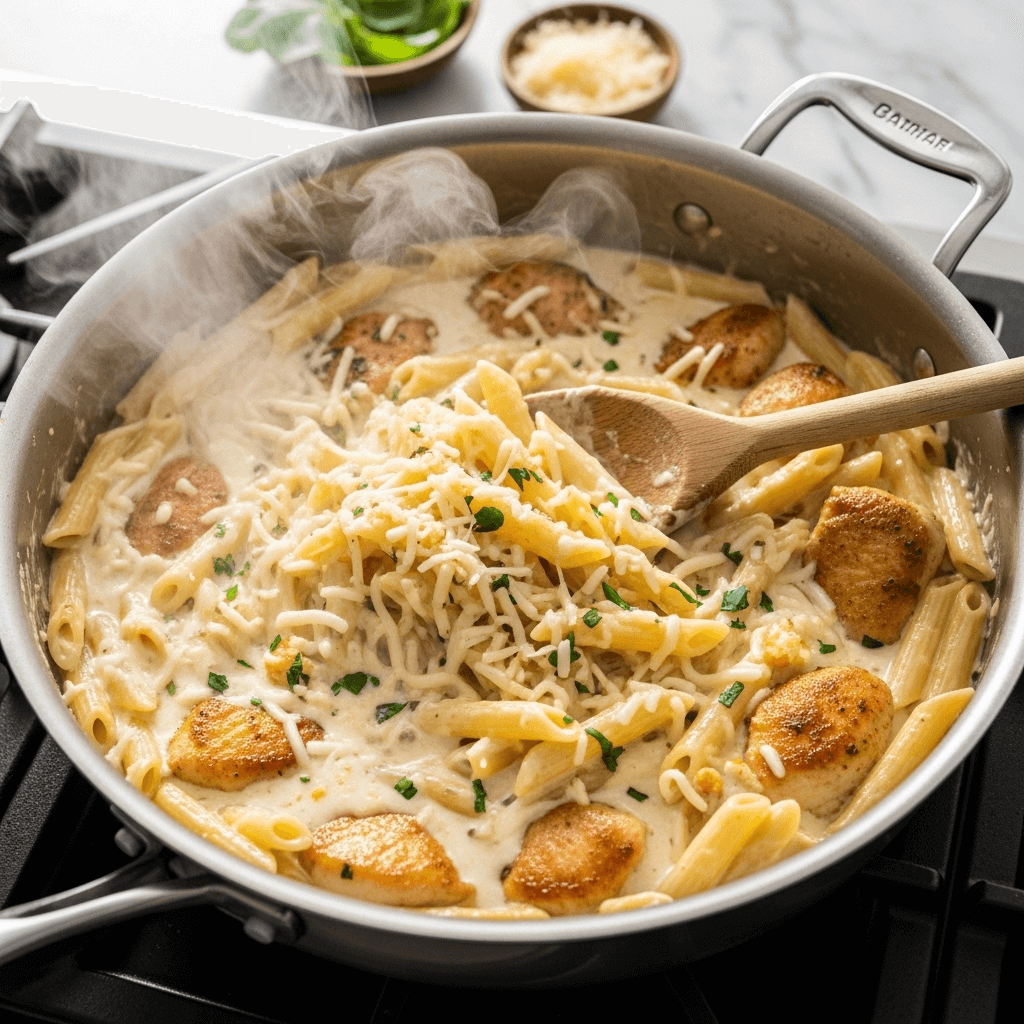

Get ready to discover your new family favorite with this Ultimate Cheesy Chicken Pasta that’s about to revolutionize your weeknight dinner routine! Imagine tender pieces of juicy chicken, perfectly cooked pasta, and a gloriously creamy cheese sauce that brings everything together in one harmonious, indulgent dish. This is comfort food at its absolute finest—the kind of meal that has everyone rushing to the dinner table and asking for seconds before they’ve even finished their first serving.
What makes this cheesy chicken pasta truly special is its perfect balance of flavors and textures. The chicken is seasoned beautifully and cooked until golden, the pasta is cooked to al dente perfection, and the cheese sauce—oh, that cheese sauce!—is rich, velvety, and loaded with melty goodness that coats every piece of pasta and chicken. Whether you use a blend of cheddar, mozzarella, Parmesan, or a combination of your favorites, the result is always spectacular.
This versatile recipe is perfect for so many occasions—serve it as a comforting weeknight dinner when you need something quick and satisfying, make it for Sunday family dinners, bring it to potlucks where it’s guaranteed to disappear first, or prepare it for meal prep to enjoy delicious lunches all week long. It’s the kind of dish that works for picky kids, hungry teenagers, adults who appreciate good comfort food, and anyone in between. Best of all, it comes together in just 30 minutes using one pot, which means minimal cleanup and maximum enjoyment. Whether you’re a busy parent, a college student, a working professional, or simply someone who loves good food that doesn’t require hours in the kitchen, this cheesy chicken pasta is about to become your go-to recipe.
History / Background
While cheesy chicken pasta doesn’t have ancient culinary roots like some traditional dishes, it represents a beautiful evolution of Italian-American comfort food that emerged in the mid-to-late 20th century. The story of this dish is really about the blending of Italian pasta traditions with American love for cheese, convenience, and one-pot meals that feed the whole family.
Italian immigrants brought their pasta-making traditions to America in the late 1800s and early 1900s, but the dishes they created here evolved significantly from what they’d made in Italy. In Italy, pasta dishes were often simple—pasta with olive oil, garlic, and perhaps a light cheese topping. But in America, particularly after World War II, there was an abundance of dairy products and a cultural preference for richer, more substantial meals. American cooks began creating heartier pasta dishes with generous amounts of cheese, cream, and proteins like chicken.
The rise of cheesy chicken pasta as we know it today really took off in the 1980s and 1990s, coinciding with several cultural shifts. Chain restaurants like Olive Garden and Applebee’s popularized creamy, cheesy pasta dishes that combined Italian techniques with American tastes. Home cooks, inspired by these restaurant meals but looking for quicker, more affordable versions, began creating their own versions using rotisserie chicken, pre-shredded cheese, and one-pot cooking methods.
The dish also reflects the evolution of American home cooking toward convenience without sacrificing flavor. As more families had two working parents and busier schedules, recipes that could be made in 30 minutes or less using readily available ingredients became increasingly popular. Cheesy chicken pasta checked all the boxes—it used ingredients most families already had on hand, could be made in one pot, satisfied even the pickiest eaters, and tasted indulgent despite being relatively simple to prepare.
Today, cheesy chicken pasta has become a Pinterest phenomenon and social media favorite, with countless variations shared by home cooks around the world. It represents modern American comfort food at its best—taking inspiration from multiple culinary traditions while prioritizing convenience, affordability, and most importantly, flavor that brings families together around the dinner table. This is the kind of recipe that creates memories, the dish your kids will remember fondly and want to recreate for their own families someday.
Why You’ll Love This Recipe
This Cheesy Chicken Pasta isn’t just another dinner option—it’s a meal that will have your entire family excited about dinnertime. The combination of tender chicken, perfectly cooked pasta, and that incredibly creamy, cheesy sauce creates comfort food magic that satisfies on every level. It’s the dish you’ll make again and again because it never fails to deliver smiles and satisfied appetites.
Here’s why this recipe deserves a permanent spot in your dinner rotation:
- Ready in 30 minutes – From start to finish, dinner is on the table faster than ordering delivery
- One-pot wonder – Everything cooks in a single pot, which means minimal dishes to wash afterward
- Budget-friendly – Uses affordable ingredients that won’t strain your grocery budget
- Kid-approved – Even the pickiest eaters love this cheesy, creamy pasta; it’s practically guaranteed to get empty plates
- Crowd-pleaser – Perfect for feeding a hungry family, hosting casual dinners, or bringing to potlucks
- Customizable – Easily adapt it to your family’s preferences with different cheeses, pasta shapes, or add-ins
- Comfort food perfection – Rich, creamy, and satisfying—the ultimate cozy meal for any day of the week
- Uses simple ingredients – No exotic or hard-to-find items; everything is available at your regular grocery store
- Meal prep friendly – Makes excellent leftovers and can be prepared in advance for busy weeks
- Restaurant-quality at home – Tastes like something from a casual dining restaurant but costs a fraction of the price
- Versatile for any occasion – Works for weeknight dinners, weekend family meals, or entertaining guests
- Protein-packed – The chicken provides substantial protein to keep everyone full and satisfied
- Adaptable for dietary needs – Can be made gluten-free with pasta substitution or adjusted for various preferences
Ingredient Notes
Understanding your ingredients helps you cook with confidence and make smart substitutions when needed. Here’s what you need to know:
Boneless, Skinless Chicken Breasts: The protein foundation of this dish. Chicken breasts provide lean protein and cook relatively quickly. For even cooking, pound them to uniform thickness or cut into bite-sized pieces before cooking. You can substitute with chicken thighs for a richer, more forgiving option that’s harder to overcook. Rotisserie chicken is an excellent time-saving shortcut—just shred about 3 cups of meat.
Pasta: Penne, rigatoni, or fusilli work best because their shapes hold the creamy cheese sauce beautifully. Short pasta shapes with ridges or hollows trap the sauce, ensuring every bite is flavorful. Use about 12 ounces (¾ of a standard 1-pound box) for 4-6 servings. For gluten-free, substitute with your favorite gluten-free pasta—just follow package directions as cooking times vary.
Shredded Cheese: This is where the magic happens. A combination of cheeses creates the best flavor and texture. Sharp cheddar provides tangy richness, mozzarella adds stretch and creaminess, and Parmesan contributes nutty, savory depth. Use about 2-3 cups total shredded cheese. Always shred cheese from a block yourself—pre-shredded cheese contains anti-caking agents that prevent smooth melting and can make the sauce grainy.
Heavy Cream: Creates that luxuriously rich, velvety sauce that coats everything perfectly. Heavy whipping cream (36-40% fat) is essential for proper texture and flavor. Half-and-half can be used for a lighter version, though the sauce will be thinner. For the richest result, don’t substitute with milk—the sauce won’t have the same creamy consistency.
Chicken Broth: Adds savory depth and helps create the sauce base. Use low-sodium broth so you can control the salt level. Chicken stock works equally well, or you can use vegetable broth in a pinch.
Garlic: Fresh minced garlic is essential for aromatic flavor. Use 3-4 cloves depending on your garlic love. Fresh garlic is far superior to jarred or powdered for this recipe—it adds that authentic, punchy flavor that makes the dish special.
Butter and Olive Oil: Used for sautéing the chicken and creating the sauce base. Butter adds richness and helps create a flavorful fond (those browned bits) in the pan. Olive oil prevents the butter from burning. Together, they create the perfect cooking fat.
Italian Seasoning: A convenient blend of oregano, basil, thyme, and rosemary that adds classic Italian flavor. If you don’t have it, use individual dried herbs or fresh herbs (triple the amount).
Seasonings: Salt, black pepper, paprika, and garlic powder enhance the chicken’s flavor. Paprika adds a subtle sweetness and beautiful color. Season generously—chicken and pasta both need adequate seasoning to taste their best.
Optional Add-Ins: Sun-dried tomatoes, spinach, mushrooms, or peas can be added for extra nutrition and flavor. Red pepper flakes add heat for those who like spice. Fresh parsley or basil make beautiful, fresh garnishes.
Equipment Needed
Having the right tools makes cooking easier and more enjoyable. Here’s what you’ll need:
- Large, deep skillet or Dutch oven (at least 12 inches wide with 3-4 inch sides) – Needs to be large enough to hold pasta, chicken, and sauce; a lid is helpful but not essential
- Sharp chef’s knife – For cutting chicken into bite-sized pieces
- Cutting board – Preferably separate boards for raw chicken and vegetables
- Wooden spoon or silicone spatula – For stirring pasta and sauce
- Tongs – For flipping chicken pieces while cooking
- Measuring cups and spoons – For accurate measurements
- Box grater or food processor – For shredding cheese from a block
- Garlic press or microplane (optional) – Makes mincing garlic easier
- Ladle or large spoon – For serving
- Colander (optional) – Only if you need to pre-cook pasta separately
Cheesy Chicken Pasta Recipe
- Total Time: 30 minutes
- Yield: 6 servings 1x
Description
This Ultimate Cheesy Chicken Pasta features tender, seasoned chicken and perfectly cooked pasta smothered in a rich, creamy cheese sauce that’s loaded with melty goodness. Ready in just 30 minutes in one pot, it’s the ultimate comfort food that the whole family will love.
Ingredients
For the Chicken:
- 1½ lbs boneless, skinless chicken breasts, cut into bite-sized pieces
- 1 teaspoon Italian seasoning
- 1 teaspoon garlic powder
- ½ teaspoon paprika
- 1 teaspoon salt
- ½ teaspoon black pepper
- 2 tablespoons olive oil
- 2 tablespoons butter
For the Pasta and Sauce:
- 12 oz penne pasta (or rigatoni, fusilli, or your favorite short pasta)
- 3 cups chicken broth (low-sodium)
- 1½ cups heavy cream
- 4 cloves garlic, minced
- 1 teaspoon Italian seasoning
- 2 cups shredded sharp cheddar cheese
- 1 cup shredded mozzarella cheese
- ½ cup freshly grated Parmesan cheese
- Salt and pepper to taste
Optional Add-Ins:
- ½ cup sun-dried tomatoes, chopped
- 2 cups fresh spinach
- 1 cup frozen peas
- ¼ teaspoon red pepper flakes (for heat)
- Fresh parsley or basil for garnish
Instructions
- Prepare and season the chicken: Pat chicken pieces dry with paper towels—this helps them brown properly. In a bowl, toss chicken with Italian seasoning, garlic powder, paprika, salt, and pepper until evenly coated. Make sure every piece is seasoned.
- Cook the chicken: Heat olive oil and 1 tablespoon butter in a large, deep skillet or Dutch oven over medium-high heat. Once hot and shimmering, add the seasoned chicken pieces in a single layer. Don’t overcrowd—work in batches if necessary. Cook for 5-6 minutes, flipping halfway through, until golden brown and cooked through (internal temperature should reach 165°F). The chicken doesn’t need to be perfect at this stage as it will continue cooking with the pasta. Remove chicken to a plate and set aside.
- Build the sauce base: In the same skillet (don’t clean it—those browned bits are flavor!), reduce heat to medium and add the remaining 1 tablespoon butter. Once melted, add minced garlic and sauté for about 1 minute until fragrant but not browned. Be careful not to burn the garlic.
- Add liquids and pasta: Pour in chicken broth and heavy cream, stirring to combine and scraping up any browned bits from the bottom of the pan. Add Italian seasoning. Bring to a gentle boil, then add the uncooked pasta. Stir well to ensure pasta is submerged in the liquid.
- Cook the pasta: Reduce heat to medium-low and let it simmer, stirring frequently to prevent sticking, for about 12-15 minutes until pasta is al dente and has absorbed most of the liquid. The mixture should look creamy but still have enough liquid to create a sauce. If it gets too dry, add a splash more broth or cream. If it’s too liquidy, simmer a few minutes longer.
- Add the cheese: Once pasta is cooked, reduce heat to low. Add the cheddar, mozzarella, and Parmesan cheese in batches, stirring constantly until each addition is melted before adding more. This gradual method prevents clumping and creates the smoothest sauce. The sauce should be thick, creamy, and coat the pasta beautifully.
- Combine and finish: Return the cooked chicken (and any accumulated juices) to the skillet. Stir everything together gently until the chicken is heated through and evenly distributed. If using optional add-ins like spinach, sun-dried tomatoes, or peas, fold them in now and let them warm through for 1-2 minutes. Taste and adjust seasoning with additional salt and pepper if needed.
- Serve immediately: Remove from heat and let rest for 2-3 minutes—the sauce will thicken slightly as it sits. Garnish with fresh parsley or basil and extra Parmesan cheese if desired. Serve hot and enjoy while the cheese is perfectly melty!
Notes
- Pasta water trick: If the sauce becomes too thick, add a few tablespoons of the pasta cooking liquid (or additional broth) to loosen it to your desired consistency.
- Don’t overcook the chicken: Chicken continues to cook when added back to the hot pasta, so slightly undercooking it initially prevents dry, tough meat.
- Cheese melting: Always use freshly shredded cheese from a block. Pre-shredded cheese contains anti-caking agents that prevent smooth melting.
- Sauce consistency: The sauce will thicken as it cools. It should look slightly loose when you first remove it from heat—it will reach perfect consistency after resting.
- Batch cooking: If your skillet isn’t large enough, cook chicken in batches rather than overcrowding. Crowded chicken steams instead of browning.
- Make it lighter: Use half-and-half instead of heavy cream for a lighter version, though the sauce will be thinner.
- Gluten-free option: Use gluten-free pasta and ensure your chicken broth is certified gluten-free.
- Prep Time: 10 minutes
- Cook Time: 20 minutes
- Category: Dinner, Main Course, Pasta
- Method: Stovetop, One-Pot
- Cuisine: American, Italian-American
Nutrition
- Serving Size: About 1½ cups (⅙ of recipe)
- Calories: 620
- Sugar: 4g
- Sodium: 720mg
- Fat: 32g
- Saturated Fat: 18g
- Unsaturated Fat: 12g
- Trans Fat: 0g
- Carbohydrates: 48g
- Fiber: 2g
- Protein: 38g
- Cholesterol: 145mg
Nutrition information is calculated based on the ingredients listed and is an estimate. Actual values may vary based on brands used, specific ingredients chosen, and modifications made.
Tips & Variations
Make this recipe your own with these creative twists and helpful modifications:
Bacon Lovers Addition: Cook 6 strips of bacon until crispy, crumble, and sprinkle on top before serving. The smoky, salty crunch takes this dish over the top. You can even use some bacon fat to cook the chicken for extra flavor.
Veggie-Loaded Version: Add 2 cups of fresh spinach, ½ cup sun-dried tomatoes, and 1 cup sautéed mushrooms for extra nutrition, color, and flavor. The vegetables blend beautifully into the creamy sauce.
Spicy Kick: Add ½ teaspoon red pepper flakes to the sauce, use pepper jack cheese instead of mozzarella, or drizzle with hot sauce before serving. For serious heat lovers, add diced jalapeños.
Italian Sausage Swap: Replace chicken with Italian sausage (removed from casings and crumbled). Brown the sausage, then proceed with the recipe. The fennel and spices in Italian sausage add incredible depth.
Cajun-Style: Season chicken with Cajun seasoning instead of Italian seasoning, and add diced bell peppers and celery for a Louisiana-inspired twist with some heat.
Buffalo Chicken Pasta: Toss cooked chicken with buffalo sauce before adding to pasta. Use a combination of cheddar and blue cheese crumbles. Garnish with ranch dressing drizzle and celery leaves.
Broccoli Cheddar Version: Add 2 cups of broccoli florets during the last 5 minutes of cooking pasta. Use all cheddar cheese for that classic broccoli-cheddar combination everyone loves.
Pesto Addition: Stir in 2-3 tablespoons of basil pesto along with the cheese for an herby, garlicky twist that adds beautiful green color and fresh flavor.
Lighter Version: Use chicken broth instead of some cream (2 cups broth, 1 cup cream), reduce cheese to 2 cups total, and add extra vegetables. The dish will be lighter but still delicious.
Mexican-Inspired: Season with taco seasoning, use pepper jack and cheddar cheese, add black beans and corn, and top with cilantro and a squeeze of lime.
Pro Chef Tips
Elevate your Cheesy Chicken Pasta from delicious to absolutely extraordinary with these professional techniques:
Pound the chicken evenly: Even thickness ensures even cooking. Use a meat mallet to pound chicken breasts to uniform ¾-inch thickness, or cut them horizontally to create thinner cutlets. This prevents the outside from overcooking while waiting for the thick parts to finish.
Don’t skip the browning: Those golden-brown bits on the chicken and stuck to the pan (called “fond”) are pure flavor. Proper browning creates depth through the Maillard reaction. Make sure your pan is hot enough—the chicken should sizzle when it hits the pan.
Toast your pasta first (optional advanced technique): Before adding liquid, toss dry pasta in the hot pan for 1-2 minutes. This toasting develops nutty flavor and helps pasta maintain better texture. It’s a restaurant trick that makes a noticeable difference.
Layer your cheese: Professional chefs add cheese in stages—start with Parmesan for a stable base, then add cheddar for flavor, and finish with mozzarella for stretch. This creates the best texture and prevents the sauce from breaking.
Control the heat: Once cheese is added, keep heat low. High heat causes cheese proteins to seize up and separate, creating a grainy, broken sauce instead of smooth velvet. Low and slow wins the cheese game.
Add cream cheese for ultra-creaminess: Stir in 4 oz softened cream cheese along with the shredded cheese. It acts as an emulsifier, helping create a sauce that stays smooth even when reheated and preventing graininess.
Season in layers: Season the chicken, season while building the sauce, and taste and adjust at the end. Building seasoning in layers creates more complex, well-developed flavor than adding all salt at once.
Fresh herbs at the finish: While dried herbs cook with the dish, add fresh herbs at the very end or as garnish. Fresh basil, parsley, or chives add brightness and vibrant color that dried herbs can’t match.
Let it rest: After removing from heat, let the pasta rest for 2-3 minutes before serving. This allows the sauce to thicken to perfect consistency and flavors to settle. Resist the urge to serve immediately.
Common Mistakes to Avoid
Learn from these frequent errors to ensure perfect cheesy chicken pasta every time:
Mistake #1: Using pre-shredded cheese. This is the single biggest mistake that ruins the sauce. Pre-shredded cheese contains cellulose (anti-caking agent) that prevents smooth melting, creating a grainy, separated sauce instead of creamy velvet. Always shred cheese fresh from a block—it takes an extra two minutes but makes an enormous difference.
Mistake #2: Cooking chicken on too low heat. If your pan isn’t hot enough, chicken will release moisture and steam rather than browning. It should sizzle immediately when it hits the pan. Proper browning creates flavor through caramelization and leaves flavorful fond in the pan for building sauce.
Mistake #3: Not stirring pasta frequently enough. When cooking pasta directly in the sauce (one-pot method), it needs frequent stirring to prevent sticking together and sticking to the bottom of the pan. Stir every 2-3 minutes throughout cooking, scraping the bottom of the pan each time.
Mistake #4: Adding cheese while the sauce is too hot. If the mixture is boiling when you add cheese, the proteins will seize and separate, creating a grainy mess. Always reduce heat to low and let the mixture stop bubbling before adding cheese. Patience creates silky smooth sauce.
Mistake #5: Overcooking the pasta. When cooking pasta in liquid, it continues to cook and absorb moisture even after you remove it from heat. Cook it to just barely al dente (still quite firm)—it will soften to perfect texture as it sits and as the sauce thickens. Overcooked pasta becomes mushy and unappetizing.
Storage & Meal Prep
Make your life easier with proper storage and smart meal prep strategies:
Refrigerator Storage: Store leftover cheesy chicken pasta in an airtight container in the refrigerator for up to 3-4 days. The sauce will thicken significantly as it cools—this is completely normal. The pasta will also absorb more sauce as it sits, so it may appear drier than when first made.
Reheating Instructions: The key to reheating creamy pasta is adding moisture. Place pasta in a skillet over medium-low heat. Add 2-3 tablespoons of milk, cream, or chicken broth per serving. Stir constantly as it warms, adding more liquid if needed until the sauce loosens and becomes creamy again. Alternatively, microwave in 1-minute intervals at 70% power, stirring between each interval and adding splashes of liquid. Never microwave on full power—it causes the sauce to separate.
Preventing Dryness: If you know you’ll have leftovers, slightly undercook the pasta and use a bit more sauce than needed. The extra moisture gives you insurance against dryness. You can also store a small container of cream or broth separately to add when reheating.
Meal Prep Strategy: This recipe is excellent for meal prep. Divide into individual portions in meal prep containers. Pack some extra shredded cheese and fresh herbs separately to add when reheating for a freshly-made taste. Reheat individual portions as needed throughout the week.
Separating Components: For the absolute best meal prep results, store cooked chicken, cooked pasta, and sauce in separate containers. Combine when reheating. This prevents the pasta from absorbing all the sauce and gives you more control over consistency.
Make-Ahead & Freezer Notes
Plan ahead and enjoy this delicious meal on your schedule:
Make-Ahead Options: You can prep components up to 24 hours ahead. Cook and dice the chicken, store covered in the refrigerator. Shred the cheese and mince the garlic, store separately. When ready to make dinner, cook the pasta fresh and assemble—it takes only 15 minutes with prepped components.
Partial Assembly: You can fully cook the dish, let it cool, and refrigerate for up to 2 days before serving. Reheat gently on the stovetop with added liquid, stirring frequently. The flavors actually meld and improve after a day, though texture is best when freshly made.
Freezing Instructions: Cheesy pasta freezes reasonably well for up to 2 months, though the texture of the sauce changes slightly. Let the dish cool completely. Transfer to freezer-safe containers or heavy-duty freezer bags, removing as much air as possible. Label with date and contents. Freeze flat in bags for easier storage and faster thawing.
Freezer-Friendly Tips: Slightly undercook the pasta if you plan to freeze—it will soften further when reheated. Use a bit more sauce than normal to compensate for absorption during storage. Freeze in portion sizes that match your family’s needs.
Thawing and Reheating from Frozen: For best results, thaw in the refrigerator overnight. Reheat in a covered skillet over medium-low heat, stirring frequently and adding cream, milk, or broth as needed to restore creamy consistency. You can also reheat directly from frozen—place frozen pasta in a skillet with ¼ cup liquid, cover, and heat on low, stirring occasionally, for 15-20 minutes until heated through.
What Doesn’t Freeze Well: If you’ve added delicate vegetables like spinach or fresh herbs, they may become limp and discolored after freezing. Consider adding fresh vegetables when reheating for better texture and appearance.
Serving Suggestions
Complete your Cheesy Chicken Pasta meal with these perfectly paired accompaniments:
Bread Options: Serve with warm, buttery garlic bread for soaking up extra sauce—it’s practically mandatory! Garlic knots, breadsticks, Texas toast, or a crusty Italian loaf all work beautifully. The bread is perfect for ensuring not a drop of that delicious cheese sauce goes to waste.
Salad Pairings: Balance the rich, creamy pasta with a crisp, fresh salad. A classic Caesar salad is traditional and delicious. Alternatively, try a simple mixed green salad with Italian vinaigrette, a crisp iceberg wedge salad with blue cheese dressing, or an arugula salad with lemon and Parmesan.
Vegetable Sides: Roasted vegetables add color and nutrition to round out the meal. Try roasted broccoli, green beans almondine, roasted asparagus with lemon, steamed Brussels sprouts, or a medley of roasted bell peppers and zucchini.
Complete Meal Ideas:
- Serve with garlic bread and Caesar salad for a classic Italian-American feast
- Pair with steamed broccoli and dinner rolls for a comforting family dinner
- Add garlic knots and an arugula salad for an elegant yet easy entertaining menu
Soup Starters: If serving for company, start with a light soup. Minestrone, Italian wedding soup, or tomato basil soup all complement the pasta course beautifully without being too filling.
Wine Pairings: The rich, creamy cheese sauce pairs wonderfully with wines that have good acidity to cut through the richness. Try Chardonnay, Pinot Grigio, Sauvignon Blanc, or for red wine lovers, a light Pinot Noir or Chianti.
Kid-Friendly Sides: For family dinners with children, serve with carrot sticks, apple slices, or simple steamed corn. The mild, familiar vegetables won’t compete with the pasta and are more likely to be eaten.
FAQs Section
Q: Can I use rotisserie chicken instead of raw chicken breasts?
A: Absolutely! Rotisserie chicken is a fantastic time-saving shortcut. You’ll need about 3 cups of shredded or diced rotisserie chicken. Skip the chicken cooking steps and simply add the chicken when you return the cooked chicken to the pasta. This reduces cooking time by about 10 minutes.
Q: Can I make this without heavy cream?
A: Heavy cream creates the richest, most luxurious sauce, but you have options. Half-and-half works though the sauce will be thinner—you may need to reduce it longer or add a tablespoon of flour to thicken. Whole milk can work if you add 2 tablespoons of flour to the garlic and create a roux before adding liquid, but it won’t be as rich. For dairy-free, coconut cream is your best option.
Q: Why is my cheese sauce grainy or separated?
A: This usually happens for one of three reasons: (1) using pre-shredded cheese with anti-caking agents, (2) adding cheese while the mixture was too hot or boiling, or (3) using low-fat cheese. To fix it, remove from heat, add a splash of cream, and whisk vigorously. To prevent it, always use freshly shredded full-fat cheese and add it over low heat.
Q: Can I use a different type of pasta?
A: Yes! Any short pasta works well—penne, rigatoni, fusilli, shells, farfalle (bow-ties), or cavatappi all hold sauce beautifully. Avoid long pasta like spaghetti or linguine for this particular recipe as the creamy cheese sauce is better suited to short pasta shapes. Use the same weight (12 oz) regardless of shape.
Q: How do I prevent the pasta from sticking together?
A: Stir frequently while the pasta cooks—every 2-3 minutes throughout the cooking process. Make sure you have enough liquid in the pan (the pasta should be barely submerged). If the mixture gets too thick or dry while cooking, add splashes of chicken broth to loosen it and prevent sticking.
Q: Can I add vegetables to this recipe?
A: Definitely! This recipe is very versatile. Spinach, sun-dried tomatoes, mushrooms, broccoli, peas, or bell peppers all work wonderfully. Add heartier vegetables like broccoli with the pasta so they cook through. Add delicate vegetables like spinach or peas during the last few minutes of cooking.
Q: Is this recipe gluten-free?
A: The recipe can easily be made gluten-free by using your favorite gluten-free pasta. Brands like Barilla, Jovial, or Banza (chickpea pasta) all work well. Follow the package directions for cooking time as gluten-free pasta often cooks differently than wheat pasta. Ensure all other ingredients (especially chicken broth) are certified gluten-free.
Conclusion
There you have it—the ultimate guide to making Cheesy Chicken Pasta that will have your entire family begging for it on repeat! This recipe proves that comfort food doesn’t have to be complicated or time-consuming. With just 30 minutes, one pot, and ingredients you probably already have in your kitchen, you can create a meal that tastes like it took hours and rivals anything from a restaurant.
The beauty of this cheesy chicken pasta lies in its perfect combination of convenience and indulgence. It’s quick enough for the busiest weeknights, yet special enough to serve when you have company. The tender chicken, perfectly cooked pasta, and that incredibly rich, creamy cheese sauce create a harmony of flavors and textures that satisfies on every level. Whether you’re feeding picky kids, hungry teenagers, or adults who appreciate good comfort food, this dish delivers every single time.
Don’t forget to save this recipe to your Pinterest boards so you can find it whenever that pasta craving hits! I absolutely love hearing from readers—drop a comment below and tell me how your Cheesy Chicken Pasta turned out! Did you add any special ingredients? Try one of the variations? Serve it for a special occasion? Your feedback, photos, and creative twists inspire other home cooks and help build this amazing community of food lovers supporting each other.