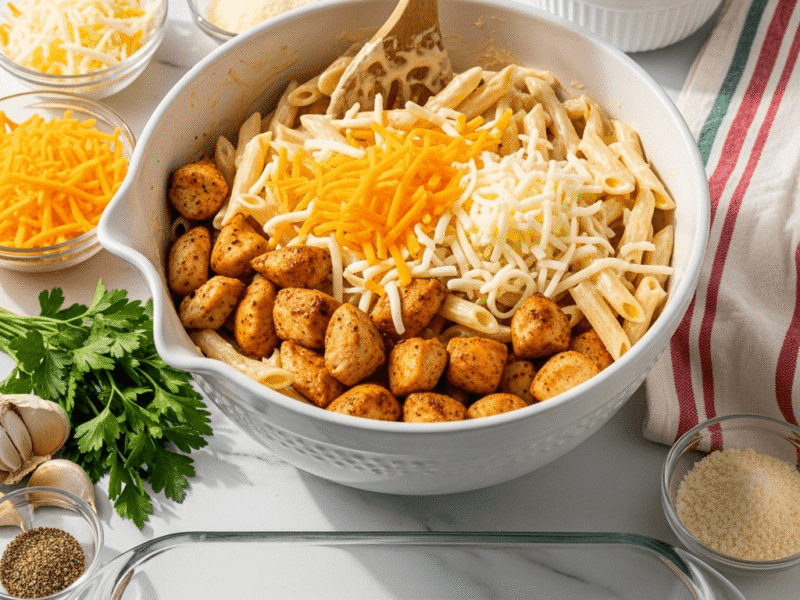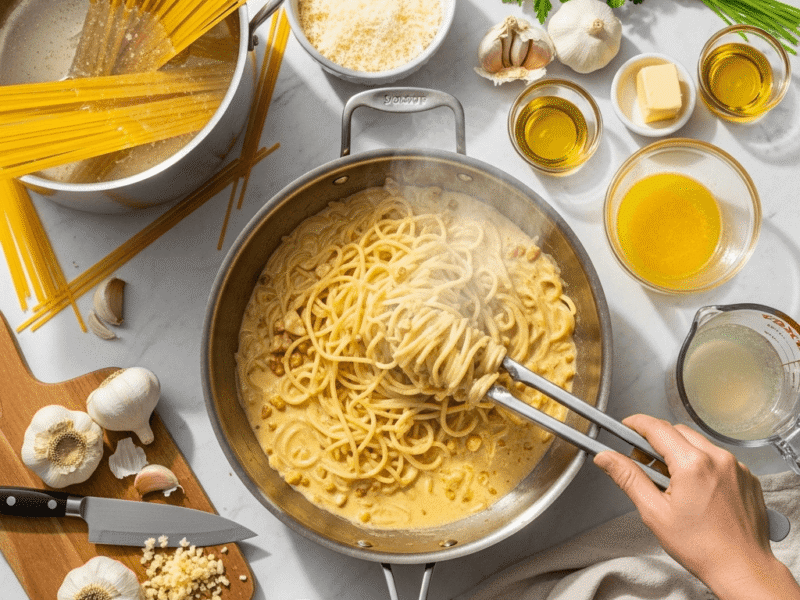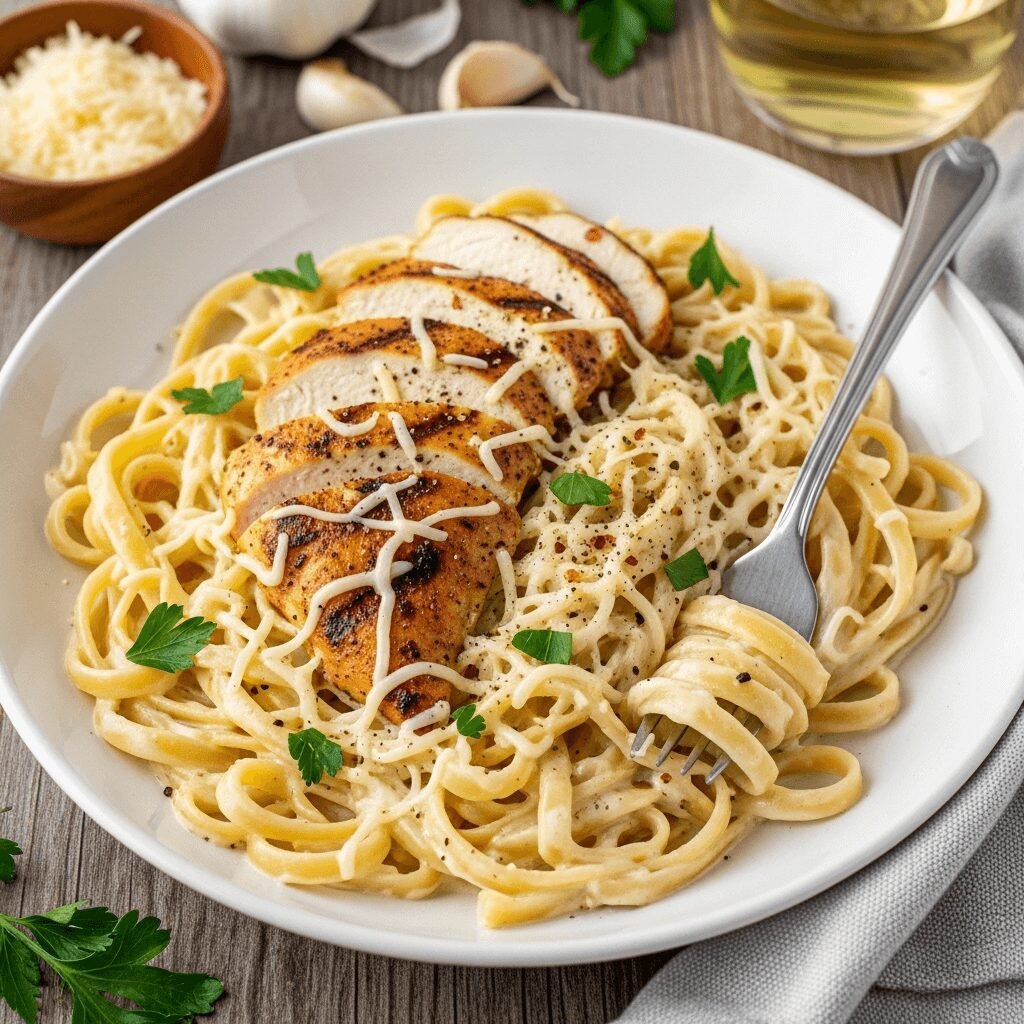

If you’re craving the ultimate comfort food that brings together tender chicken, perfectly cooked pasta, and the creamiest, cheesiest Alfredo sauce you’ve ever tasted, you’ve landed in exactly the right place. This Cheesy Chicken Alfredo Pasta is everything you want in a weeknight dinner: rich, indulgent, satisfying, and surprisingly simple to make. It’s the kind of dish that makes everyone at the table go quiet for a moment as they take that first heavenly bite, then immediately ask when you’re making it again.
Whether you’re cooking for picky eaters, planning a cozy date night at home, or just need something deliciously comforting after a long day, this recipe delivers every single time. The best part? You don’t need to be a professional chef or spend hours in the kitchen. With just one pot, simple ingredients you probably already have, and about 30 minutes, you’ll create restaurant-quality Chicken Alfredo that rivals anything you’d pay $20 for at your favorite Italian spot.
Introduction to Cheesy Chicken Alfredo Pasta
Cheesy Chicken Alfredo Pasta is the ultimate Italian-American comfort food that combines juicy, seasoned chicken breast with al dente fettuccine noodles, all smothered in an impossibly creamy, garlicky Parmesan Alfredo sauce. This dish takes the classic Fettuccine Alfredo and elevates it with protein-packed chicken and an extra boost of melty cheese that makes every bite pure heaven.
This recipe is perfect for family dinners when you need something that’ll please everyone from toddlers to grandparents. It’s also ideal for meal prep, potlucks, or those nights when you want something special without the fuss. The creamy sauce clings to every strand of pasta, the chicken stays tender and juicy, and that extra cheese creates those gorgeous, Instagram-worthy cheese pulls that make this dish a Pinterest favorite.
Unlike restaurant versions that can be heavy and overly rich, this homemade Chicken Alfredo strikes the perfect balance. You control the ingredients, adjust the seasoning to your taste, and can easily customize it with vegetables, different proteins, or dietary modifications. It’s comfort food that doesn’t leave you feeling weighed down – just happy, satisfied, and probably planning when to make it again.
History & Background of Chicken Alfredo
The story of Alfredo sauce is a fascinating journey from Roman tradition to American dinner tables. The original Fettuccine Alfredo was created in Rome, Italy, in 1914 by restaurateur Alfredo di Lelio. The authentic recipe was remarkably simple: fresh fettuccine tossed with butter and Parmigiano-Reggiano cheese, creating a silky sauce from the emulsification of pasta water, melted butter, and cheese. Alfredo created this dish for his wife, who had lost her appetite during pregnancy, and it was so successful that he added it to his restaurant menu.
The dish gained international fame when Hollywood stars Mary Pickford and Douglas Fairbanks dined at Alfredo’s restaurant during their honeymoon in 1927. They fell in love with the pasta and brought the recipe back to America, where it became a sensation. However, the American version evolved significantly from the original.
The cream-based Alfredo sauce that Americans know and love today is actually an American invention. Italian-American restaurants added heavy cream to the sauce to ensure it stayed creamy and appealing under the different service conditions in American dining rooms. The addition of garlic, which is notably absent in the original Roman version, became standard in American kitchens because it aligned with American taste preferences for bold, savory flavors.
Chicken Alfredo as we know it is an entirely American creation. In Italy, pasta dishes traditionally don’t include chicken – that’s considered a separate course. But Americans love the convenience and heartiness of a complete meal in one dish, so adding chicken to Alfredo became incredibly popular in the 1980s and 1990s. This protein addition transformed Alfredo from a simple pasta course into a satisfying main dish that could stand alone.
Today, Chicken Alfredo has become one of the most beloved pasta dishes in American homes and restaurants. It represents the beautiful evolution of Italian cuisine in America – respecting the spirit of the original while adapting to American tastes and lifestyles. The “cheesy” version we’re making today takes it one step further, adding extra cheese for even more richness and those irresistible cheese pulls that make this dish so photogenic and crave-worthy.
Why You’ll Love This Cheesy Chicken Alfredo Pasta Recipe
This isn’t just another pasta recipe – it’s the Chicken Alfredo recipe you’ll make again and again because it consistently delivers amazing results with minimal effort. The combination of tender chicken, perfectly cooked pasta, and that incredibly creamy, cheesy sauce creates a dish that’s both comforting and impressive.
What sets this recipe apart is its foolproof method for achieving restaurant-quality results at home. The chicken stays juicy, the sauce never breaks or becomes grainy, and everything comes together in one pot for easy cleanup. It’s the kind of recipe that makes you look like a culinary genius even if you’re still building your cooking confidence.
Here’s why this recipe will become your go-to dinner:
- Ready in 30 minutes – From start to finish, this complete meal is on the table in half an hour, making it perfect for busy weeknights
- One-pot convenience – Less dishes to wash means more time to enjoy your meal and relax after dinner
- Budget-friendly – Uses affordable ingredients like chicken breast, pasta, and pantry staples to create an impressive meal
- Kid-approved – The mild, creamy flavors appeal to even the pickiest eaters, and kids love the cheesy, saucy pasta
- Customizable – Easily add vegetables, adjust the cheese level, or swap proteins to suit your preferences
- Crowd-pleaser – Everyone loves Chicken Alfredo, making this perfect for family dinners or when you have guests
- Restaurant-quality taste – Tastes like it came from an Italian restaurant but costs a fraction of the price
- Comfort food perfection – Rich, creamy, and satisfying – this is the definition of comfort food done right
- Great leftovers – Reheats beautifully for lunch the next day, and some say it tastes even better on day two
- No special skills required – Simple techniques that anyone can master, even beginner cooks
- Meal prep friendly – Make a double batch and have easy dinners ready for the whole week
- Instagram-worthy – Those cheese pulls and creamy sauce photograph beautifully for your food blog or social media
Ingredient Notes
Understanding your ingredients helps you shop smarter and make successful substitutions when needed. Here’s what you need to know:
Chicken Breast – Boneless, skinless chicken breasts are ideal for this recipe. Look for pieces that are similar in size for even cooking. You’ll need about 1 to 1.5 pounds for four servings. Chicken tenderloins work too and cook even faster. For the juiciest results, don’t overcook – chicken is done at 165°F internal temperature.
Fettuccine Pasta – Traditional for Alfredo, these wide, flat noodles hold sauce beautifully. You’ll need 12-16 ounces depending on how saucy you like it. Linguine, pappardelle, or even penne work as substitutes. Whole wheat or gluten-free pasta also work well if you have dietary needs.
Heavy Cream – This is the foundation of that luxuriously creamy sauce. Don’t substitute with milk or the sauce will be too thin and won’t have that rich, velvety texture. Heavy whipping cream (36-40% fat) is what you want. Half-and-half can work in a pinch but won’t be as indulgent.
Parmesan Cheese – Freshly grated Parmigiano-Reggiano or good-quality Parmesan is essential. You’ll need it for both the sauce and extra for topping. Buy a block and grate it yourself – pre-grated cheese contains anti-caking agents that prevent smooth melting and can make your sauce grainy. Plan on about 1 to 1.5 cups total.
Mozzarella Cheese – This is what makes it extra cheesy! Shredded mozzarella melts beautifully and creates those gorgeous cheese pulls. Whole milk mozzarella has the best flavor and melting properties. You can also use Italian cheese blend or add provolone for variety.
Butter – Unsalted butter gives you control over the salt level. It adds richness and helps create a smooth, emulsified sauce. Don’t skip it or substitute with oil – butter is essential to authentic Alfredo flavor.
Garlic – Fresh garlic cloves are a must for that aromatic, savory depth. Plan on 4-5 cloves, minced. Jarred minced garlic works in a pinch, but fresh has superior flavor. Garlic powder is not a good substitute here.
Chicken Broth – Adds savory depth and helps thin the sauce to the perfect consistency. Low-sodium is best so you control the salt. You can substitute with white wine for a more sophisticated flavor, or use pasta water.
Italian Seasoning – A convenient blend of dried herbs (basil, oregano, thyme, rosemary) that adds classic Italian flavor. You can make your own blend or use individual herbs.
Cream Cheese (Optional) – Some cooks add a few tablespoons of cream cheese for extra richness and to help stabilize the sauce. It’s not traditional but makes the sauce even more luxurious.
Equipment Needed
Having the right tools makes cooking easier and more enjoyable. Here’s what you’ll need:
- Large pot (6-8 quarts) – For boiling the pasta. Make sure it’s big enough that pasta can move freely while cooking.
- Large deep skillet or sauté pan (12-inch with high sides) – This is your main cooking vessel where you’ll cook the chicken and make the sauce. A pan with high sides prevents splashing and gives you room to toss the pasta.
- Sharp knife and cutting board – For slicing chicken breasts and mincing garlic.
- Meat thermometer – Takes the guesswork out of cooking chicken perfectly. Chicken is safe and juicy at 165°F.
- Tongs – Essential for flipping chicken and tossing pasta with sauce.
- Wooden spoon or silicone spatula – For stirring the sauce without scratching your pan.
- Box grater or microplane – For grating fresh Parmesan cheese.
- Measuring cups and spoons – For accurate ingredient measurements.
- Colander – For draining the pasta. Remember to save some pasta water first!
- Mixing bowl – For seasoning the chicken before cooking.
- Paper towels – For patting chicken dry, which helps it brown better.

Cheesy Chicken Alfredo Pasta Recipe
- Total Time: 30 minutes
- Yield: 4-6 servings 1x
- Diet: Gluten Free
Description
This Cheesy Chicken Alfredo Pasta combines juicy chicken breast with perfectly cooked fettuccine in a rich, creamy Parmesan and mozzarella cheese sauce. It’s comfort food at its finest – indulgent, satisfying, and surprisingly easy to make in just one pot!
Ingredients
For the Chicken:
- 1.5 lbs boneless, skinless chicken breasts (about 2-3 breasts)
- 1 teaspoon Italian seasoning
- ½ teaspoon garlic powder
- ½ teaspoon salt
- ¼ teaspoon black pepper
- 2 tablespoons olive oil or butter
For the Pasta and Sauce:
- 12 oz fettuccine pasta
- 3 tablespoons butter
- 4-5 cloves garlic, minced
- 2 cups heavy cream
- ½ cup chicken broth
- 1 ½ cups freshly grated Parmesan cheese
- 1 cup shredded mozzarella cheese
- 1 teaspoon Italian seasoning
- ½ teaspoon salt (adjust to taste)
- ¼ teaspoon black pepper
- ¼ teaspoon red pepper flakes (optional)
- 2 tablespoons cream cheese (optional, for extra creaminess)
For Garnish:
- Fresh parsley, chopped
- Extra Parmesan cheese
- Red pepper flakes (optional)
Instructions
- Prepare the pasta: Bring a large pot of salted water to a rolling boil. Add fettuccine and cook according to package directions until al dente (usually 10-12 minutes). Before draining, reserve 1 cup of pasta water. Drain pasta and set aside.
- Prepare the chicken: While water is heating, pat chicken breasts dry with paper towels. If they’re very thick, slice them horizontally to create thinner, even pieces. Season both sides with Italian seasoning, garlic powder, salt, and pepper.
- Cook the chicken: Heat olive oil or butter in a large, deep skillet over medium-high heat. Once hot, add seasoned chicken breasts. Cook for 6-7 minutes per side, or until golden brown and internal temperature reaches 165°F. Remove chicken to a cutting board, let rest for 5 minutes, then slice into strips or bite-sized pieces.
- Start the sauce: In the same skillet, reduce heat to medium. Add 3 tablespoons of butter. Once melted, add minced garlic and sauté for 1 minute until fragrant, stirring constantly to prevent burning.
- Build the Alfredo sauce: Pour in heavy cream and chicken broth. Stir to combine and bring to a gentle simmer. Let it simmer for 3-4 minutes, stirring occasionally, until slightly thickened.
- Add the cheese: Reduce heat to medium-low. Gradually add Parmesan cheese, stirring constantly until melted and smooth. Add mozzarella cheese and cream cheese (if using), stirring until completely melted and incorporated. The sauce should be smooth and creamy.
- Season the sauce: Stir in Italian seasoning, salt, pepper, and red pepper flakes (if using). Taste and adjust seasonings as needed. If sauce is too thick, add reserved pasta water a few tablespoons at a time until you reach desired consistency.
- Combine everything: Add the cooked pasta to the sauce and toss until every strand is well coated. Add the sliced chicken and gently toss to combine. Cook for 1-2 minutes, tossing frequently, until everything is heated through and well combined.
- Serve: Transfer to serving plates or a large serving bowl. Garnish with fresh parsley, extra Parmesan cheese, and red pepper flakes if desired. Serve immediately while hot and creamy.
Notes
- Chicken thickness matters: Pound thick chicken breasts to even thickness or slice horizontally for faster, more even cooking.
- Don’t skip the pasta water: The starchy water helps thin the sauce and helps it cling to the pasta perfectly.
- Fresh Parmesan is crucial: Pre-grated cheese won’t melt smoothly and can make your sauce grainy. Always grate from a block.
- Watch your heat: Once you add cheese, keep heat on medium-low. High heat can cause the sauce to separate or become grainy.
- Customize the consistency: Like it saucier? Add more pasta water or cream. Prefer it thicker? Let it simmer a bit longer before adding pasta.
- Make it lighter: Use half-and-half instead of heavy cream and reduce the cheese slightly. It won’t be as rich but will still be delicious.
- Vegetable additions: Stir in steamed broccoli, sautéed mushrooms, or fresh spinach when you add the pasta for extra nutrition.
- Prep Time: 10 minutes
- Cook Time: 2
- Category: Dinner
- Method: Stovetop
- Cuisine: Italian-American
Nutrition
- Serving Size: 1/4 of recipe (approximately 2 cups)
- Calories: 785
- Sugar: 3g
- Sodium: 890mg
- Fat: 48g
- Saturated Fat: 27g
- Unsaturated Fat: 18g
- Trans Fat: 0g
- Carbohydrates: 52g
- Fiber: 2g
- Protein: 42g
- Cholesterol: 215mg
Note: Nutrition information is calculated based on standard ingredients and may vary depending on specific brands used and modifications made to the recipe.
Tips & Variations
Vegetable-Loaded Version: Add 2 cups of steamed broccoli florets, sautéed mushrooms, fresh baby spinach, or roasted cherry tomatoes. Add heartier vegetables when cooking the chicken, and leafy greens at the very end.
Lighter Version: Replace half the heavy cream with low-sodium chicken broth or use half-and-half instead. Reduce the cheese by one-third. You can also use Greek yogurt for part of the cream (add off heat to prevent curdling).
Spicy Kick: Double the red pepper flakes, add a pinch of cayenne pepper to the chicken seasoning, or drizzle with hot honey when serving. Some people love adding sliced jalapeños to the sauce.
Protein Swaps: Can’t do chicken? Try shrimp (cooks in 2-3 minutes per side), Italian sausage (cook thoroughly first), or salmon chunks. For vegetarian, use sautéed mushrooms, white beans, or chickpeas.
Different Pasta Shapes: While fettuccine is traditional, penne, rigatoni, bow ties, or even spaghetti work wonderfully. Short pasta shapes are easier for kids to eat.
Bacon Addition: Cook 4-6 strips of bacon until crispy, crumble, and sprinkle on top for a smoky, salty contrast. You can cook the chicken in the bacon fat for extra flavor.
Extra Cheesy: Add an additional cup of mozzarella or try a four-cheese blend. Fontina, provolone, or Asiago are excellent additions.
Garlic Bread Crumb Topping: Mix panko breadcrumbs with melted butter, garlic powder, and Parmesan. Toast in a skillet and sprinkle over the finished pasta for amazing texture contrast.
Wine Upgrade: Replace the chicken broth with dry white wine (Pinot Grigio or Chardonnay) for a more sophisticated flavor.
Pro Chef Tips
Pound your chicken evenly: Use a meat mallet to pound chicken breasts to an even ½-inch thickness. This ensures they cook at the same rate, preventing dry edges and raw centers. Even better, butterfly thick breasts horizontally for thin, quick-cooking cutlets.
Brine for juicier chicken: If you have 30 minutes, brine the chicken in salted water (¼ cup salt per 4 cups water). This simple step makes chicken incredibly juicy and flavorful. Pat completely dry before seasoning and cooking.
Let chicken rest: After cooking, always let chicken rest for 5 minutes before slicing. This allows juices to redistribute throughout the meat instead of running out onto your cutting board, resulting in moister chicken.
Use reserved pasta water strategically: This starchy water is liquid gold. It helps thin the sauce while adding body and helps the sauce cling to pasta better than plain water would. Add it tablespoon by tablespoon until you reach perfect consistency.
Temperature control is everything: Once you add cheese to the cream, reduce heat to medium-low or even low. High heat causes cheese proteins to seize and separate, creating a grainy, broken sauce instead of smooth and creamy.
Add cheese gradually: Don’t dump all the cheese in at once. Add it in three batches, stirring constantly and letting each addition melt completely before adding more. This prevents clumping and ensures smooth integration.
Create an emulsion: The combination of butter, cream, cheese, and pasta water creates an emulsion – a stable mixture of fat and water. Constant stirring while adding ingredients helps maintain this emulsion for a silky-smooth sauce.
Finish pasta in the sauce: Don’t just pour sauce over drained pasta. Instead, add slightly undercooked pasta directly to the sauce and let it finish cooking in the sauce for the last 2-3 minutes, tossing constantly. The pasta absorbs flavor and releases starch that thickens the sauce naturally.
Fresh herbs at the end: If using fresh parsley or basil, add them right before serving to preserve their bright flavor and vibrant color. Dried herbs go in during cooking; fresh herbs finish the dish.
Common Mistakes to Avoid
Mistake #1: Overcooking the chicken. Dry, rubbery chicken ruins this dish. Chicken breasts are done at 165°F internal temperature – not a degree more. Overcooked chicken becomes tough and stringy. Solution: Use a meat thermometer and remove chicken from heat at 160-162°F; it’ll coast to 165°F while resting.
Mistake #2: Using pre-shredded cheese. Those convenient bags of shredded cheese contain cellulose powder (anti-caking agent) that prevents smooth melting, leaving you with a grainy, clumpy sauce that never gets creamy. Solution: Always buy a block of Parmesan and mozzarella and grate it yourself. It takes 3 extra minutes but makes a world of difference in texture.
Mistake #3: Adding cheese to boiling sauce. High heat causes the proteins in cheese to tighten and clump together instead of melting smoothly into the cream, resulting in a grainy, separated sauce with visible cheese bits. Solution: Reduce heat to medium-low before adding any cheese, and add it gradually while stirring constantly. Patience here is everything.
Mistake #4: Not seasoning properly. Bland Alfredo sauce is disappointing. Many home cooks under-season because they’re worried about overdoing it, but cream and cheese need adequate salt and seasoning to taste vibrant. Solution: Taste your sauce after adding cheese and adjust salt, pepper, and Italian seasoning until the flavors pop. Remember, pasta will dilute the sauce slightly, so season it a bit more than you think you should.
Mistake #5: Making the sauce too thick. Alfredo should coat pasta in a silky layer, not be a thick, gloppy paste. Many cooks don’t add enough liquid, resulting in pasta that’s dry and clumpy rather than creamy and flowing. Solution: Keep reserved pasta water handy and add it tablespoon by tablespoon until the sauce reaches a consistency that coats pasta glossily but still flows. The sauce will thicken as it sits, so err on the side of slightly thinner.
Storage & Meal Prep
Refrigerator Storage: Store leftover Cheesy Chicken Alfredo in an airtight container in the refrigerator for up to 3-4 days. The sauce will thicken considerably as it cools, which is completely normal.
Reheating Instructions: The key to reheating cream sauces is adding liquid and using low heat. For stovetop reheating (best method), place pasta in a skillet over medium-low heat. Add 2-3 tablespoons of milk, cream, or chicken broth per serving. Stir frequently until heated through, about 5-7 minutes. The added liquid restores the creamy consistency. For microwave reheating, place in a microwave-safe dish, add a splash of milk or cream, cover with a damp paper towel, and heat in 1-minute intervals at 50% power, stirring between each interval.
Meal Prep Strategy: This dish is excellent for meal prep. Cook the full recipe on Sunday and portion into individual containers for easy grab-and-go lunches or dinners throughout the week. The flavors actually deepen as they sit, so many people find it tastes even better on day two or three.
Preventing Dryness: When storing, make sure pasta is well-coated with sauce before refrigerating. If you know you’ll have leftovers, intentionally make the sauce a bit thinner with extra pasta water or cream. This compensates for thickening during storage.
Work Lunch Tip: Pack leftover Chicken Alfredo for work lunch with a small container of extra Parmesan and red pepper flakes for sprinkling on top after reheating. Bring a side salad or fruit to complete the meal.
Make-Ahead & Freezer Notes
Make-Ahead Options: You can prepare components ahead to speed up dinner time. Cook and slice the chicken up to 2 days ahead and refrigerate. Make the Alfredo sauce (through adding cheese) up to 1 day ahead and refrigerate in an airtight container. When ready to serve, cook fresh pasta, reheat the sauce gently with a splash of cream, then combine everything.
Can It Be Frozen? Yes, with some caveats. Cream-based sauces can separate slightly when frozen and thawed, but with proper handling, you can freeze this successfully. The texture won’t be quite as perfect as fresh, but it’s still delicious and convenient.
Best Freezing Method: For best results, freeze the cooked chicken and sauce separately from the pasta. Pasta doesn’t freeze well with sauce (it becomes mushy), but chicken in sauce freezes quite well. Freeze in individual or family-sized portions in freezer-safe containers or heavy-duty freezer bags, removing as much air as possible. Label with date and contents. Frozen Chicken Alfredo sauce is good for up to 2-3 months.
Thawing Instructions: Transfer frozen portions to the refrigerator 24 hours before you plan to serve. Never thaw cream sauces at room temperature. For faster thawing, place the sealed container in a bowl of cold water, changing the water every 30 minutes until thawed.
Reheating Frozen Chicken Alfredo: Once thawed, reheat gently on the stovetop over medium-low heat. The sauce may look separated or grainy at first – this is normal. Whisk in 2-3 tablespoons of fresh cream or milk and stir constantly. As it heats, the sauce will come back together. If it still looks broken, add a tablespoon of cold butter and whisk vigorously – this helps re-emulsify. Cook fresh pasta, then toss with the reheated sauce and chicken.
Freezer-to-Table Tip: If you’re planning to freeze portions, undercook the chicken very slightly (remove at 160°F). It’ll finish cooking when you reheat, preventing dry, overcooked chicken in your final meal.
Serving Suggestions
Breads: Serve with warm, crusty garlic bread, classic Italian bread with olive oil and balsamic for dipping, cheesy breadsticks, or garlic knots. The bread is essential for soaking up every drop of that incredible sauce.
Salads: Balance the richness with a fresh, crisp salad. Try a classic Caesar salad (skip the chicken since your pasta already has it), simple mixed greens with Italian vinaigrette, caprese salad with fresh mozzarella and tomatoes, or an arugula salad with lemon and shaved Parmesan.
Vegetables: Roasted or steamed vegetables add color and nutrition. Roasted asparagus with lemon, garlic green beans, roasted broccoli with Parmesan, steamed green beans with almonds, or honey-glazed carrots all complement this dish beautifully.
Soups: Start with a light soup for a complete Italian meal. Try Italian wedding soup, minestrone, or tomato basil soup.
Wine Pairing: The creamy, rich sauce pairs wonderfully with white wines that have good acidity to cut through the fat. Try Chardonnay (especially if it has some oak), Pinot Grigio, Sauvignon Blanc, or Italian Vermentino. If you prefer red, go very light with Pinot Noir or Beaujolais.
Complete Meal Ideas: For a full Italian dinner experience, start with bruschetta or antipasto platter, serve the Chicken Alfredo as the main course with bread and salad, and finish with tiramisu, panna cotta, or Italian gelato for dessert.
Casual Family Dinner: Keep it simple with the pasta, a big Caesar salad, garlic bread, and some fruit for dessert. This is comfort food at its best – no need to overcomplicate.
Date Night Presentation: Plate individually by twirling pasta into nests with a large fork, topping with sliced chicken arranged artfully, garnishing with fresh herbs, and adding a light dusting of Parmesan and cracked black pepper. Serve with candlelight, wine, and garlic bread on the side.
Frequently Asked Questions (FAQs)
Q: Can I make this recipe without heavy cream?
A: Heavy cream creates the signature rich, velvety texture of Alfredo sauce, but you have options. Half-and-half works but produces a thinner, less indulgent sauce. For a lighter version, use a combination of milk and chicken broth thickened with a cornstarch slurry (1 tablespoon cornstarch mixed with 2 tablespoons cold water). Greek yogurt stirred in at the end (off heat) also works but changes the flavor profile to be tangier. Just know that alternatives won’t have quite the same luxurious texture as the original.
Q: Why did my Alfredo sauce turn out grainy or separated?
A: This frustrating problem usually happens for three reasons: (1) The heat was too high when you added the cheese, causing proteins to seize and clump; (2) You used pre-shredded cheese containing anti-caking agents that prevent smooth melting; or (3) The sauce boiled after adding cheese. Always reduce heat to medium-low before adding freshly grated cheese, add it gradually while stirring constantly, and never let the sauce boil once dairy is added. If your sauce does break, whisk in a tablespoon of cold butter to help re-emulsify it.
Q: Can I use chicken thighs instead of breasts?
A: Absolutely! Boneless, skinless chicken thighs are actually more forgiving than breasts because their higher fat content keeps them moist even if slightly overcooked. They also have richer flavor. Use about 1.5 pounds and cook them for about 5-6 minutes per side until they reach 165°F internal temperature. Some people prefer thighs for this very reason – they’re almost impossible to dry out.
Q: How do I prevent the pasta from being too dry?
A: The key is having enough sauce and not letting the pasta sit too long before serving. Always reserve at least 1 cup of pasta water before draining – this starchy water is your secret weapon for adjusting sauce consistency. Add pasta water tablespoon by tablespoon until the sauce coats pasta glossily. The sauce should look almost too thin when you first combine it with pasta; it’ll thicken as it sits. Also, serve immediately after combining – Alfredo sauce thickens quickly as it cools.
Q: Can I add vegetables to this recipe?
A: Yes, and it’s a great way to add nutrition and color! Broccoli florets are classic with Alfredo – steam them separately and stir in at the end. Sautéed mushrooms, fresh baby spinach (wilts right into the hot sauce), roasted cherry tomatoes, or steamed asparagus all work beautifully. For heartier vegetables like broccoli or bell peppers, cook them separately so they don’t overcook. Add leafy greens like spinach or kale directly to the hot sauce where they’ll wilt in seconds.
Q: Is this recipe gluten-free?
A: It can easily be made gluten-free by using your favorite gluten-free pasta. Follow the package directions carefully as GF pasta cooking times vary by brand. Make sure your chicken broth is certified gluten-free (most are, but always check). All other ingredients are naturally gluten-free. The dish tastes just as delicious with GF pasta!
Q: Can I use jarred Alfredo sauce instead of making it from scratch?
A: You can, but homemade is SO much better and honestly not much more work. Jarred sauces often contain stabilizers and preservatives that affect flavor and texture. If you’re in a real time crunch, doctor jarred sauce by heating it with fresh garlic, extra Parmesan, and cream to make it taste more homemade. But once you make this easy from-scratch version, you’ll never want to go back to jarred!
Q: What’s the best pasta shape to use?
A: Fettuccine is traditional and its wide, flat shape is perfect for catching and holding the creamy sauce. Linguine is very similar and works equally well. If you prefer shorter pasta, penne, rigatoni, or farfalle (bow ties) all work – their nooks and crannies hold sauce nicely. Avoid angel hair or thin spaghetti as they’re too delicate for this heavy sauce. The best pasta is the one your family will actually eat, so use what you love!
Conclusion
And there you have it – everything you need to make the most amazing Cheesy Chicken Alfredo Pasta right in your own kitchen! This recipe proves that you don’t need to spend a fortune at a restaurant or have professional chef skills to create something truly special. With simple ingredients, easy techniques, and about 30 minutes, you can serve up a dinner that’ll have your family asking for seconds and begging you to add it to the regular rotation.
I hope this becomes one of those recipes you can make with your eyes closed, the kind you turn to on busy weeknights, special occasions, and everything in between. It’s the recipe you’ll share with friends, pass down to your kids, and rely on whenever you need something that just feels like home.
Ready to make this delicious Chicken Alfredo? I’d absolutely love to hear how it turns out for you! Drop a comment below with your results, any creative variations you tried, or questions you have. Did your kids devour it? Did you impress your dinner guests? I want to hear all about it! Don’t forget to save this recipe to your Pinterest boards so you can find it whenever that Alfredo craving hits. Share it with your foodie friends – they’ll thank you for introducing them to their new favorite dinner!
Now grab that apron, get your ingredients ready, and prepare for some serious comfort food magic. Happy cooking, and here’s to many delicious, cheesy dinners ahead!