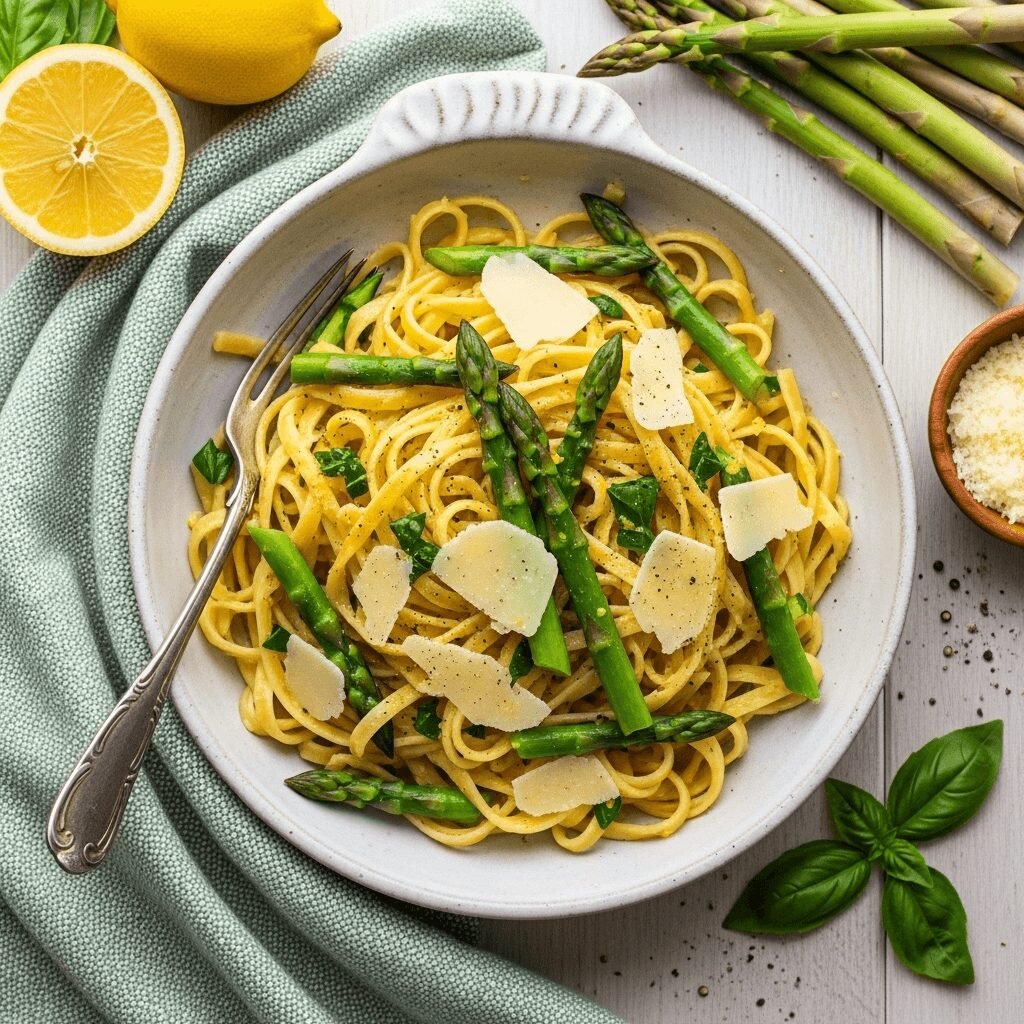

If you’re looking for a simple yet elegant pasta dish that tastes like spring on a plate, this Lemon Butter Asparagus Pasta is exactly what you need. This recipe combines tender asparagus spears, al dente pasta, and a luxurious lemon butter sauce that comes together in just 20 minutes. It’s the perfect weeknight dinner when you want something light, fresh, and absolutely delicious without spending hours in the kitchen.
What makes this dish truly special is how it balances rich, buttery flavors with bright, zesty lemon and the fresh crunch of asparagus. Whether you’re cooking for your family on a busy Tuesday night or hosting a casual dinner party with friends, this lemon butter asparagus pasta delivers restaurant-quality results with minimal effort. The creamy sauce clings to every strand of pasta, while the asparagus adds beautiful color and a satisfying texture that makes each bite interesting.
This recipe is incredibly versatile too—serve it as a main course for a light lunch or dinner, or pair it with grilled chicken or shrimp for extra protein. It’s also a fantastic side dish for Easter brunch, Mother’s Day celebrations, or any springtime gathering when asparagus is at its peak freshness. Trust me, once you make this recipe, it’ll become a regular rotation in your meal planning.
History / Background
While this specific combination of lemon, butter, asparagus, and pasta might feel modern and trendy, it’s actually rooted in classic Italian cooking traditions that have been perfected over centuries. Italian cuisine has long celebrated the art of “cucina povera” (peasant cooking), where simple, high-quality ingredients are transformed into extraordinary dishes through proper technique and respect for seasonal produce.
Asparagus has been cultivated in Italy since Roman times, with historical records showing that Romans were so fond of asparagus they even built ships specifically designed to transport it quickly to preserve its freshness. The vegetable became particularly popular in Northern Italian regions like Veneto and Piedmont, where asparagus festivals are still celebrated every spring.
The combination of butter, lemon, and pasta is a technique borrowed from classic preparations like “pasta al limone” from the Amalfi Coast, where lemons grow abundantly and feature prominently in local cuisine. By adding asparagus to this traditional flavor profile, we create a dish that honors Italian culinary heritage while embracing the farm-to-table movement that celebrates seasonal, local ingredients.
In American home cooking, this recipe gained popularity during the 2010s as part of the fresh, vegetable-forward cooking movement. Food bloggers and home cooks began sharing their versions of quick pasta dishes that showcased spring vegetables, and lemon butter asparagus pasta quickly became a Pinterest favorite. It represents everything modern home cooks love: fresh ingredients, simple preparation, beautiful presentation, and incredible flavor that doesn’t require professional chef skills.
Why You’ll Love This Recipe
This lemon butter asparagus pasta hits all the right notes for busy home cooks who refuse to compromise on flavor. It’s the kind of recipe that makes you feel like a culinary genius even though it’s incredibly straightforward to prepare.
Here’s why this recipe deserves a permanent spot in your dinner rotation:
- Lightning-fast preparation – Ready in just 20 minutes from start to finish, making it perfect for hectic weeknights
- Minimal ingredients – Uses simple pantry staples you probably already have on hand
- One-pot friendly – Less cleanup means more time enjoying your meal instead of scrubbing dishes
- Naturally light and fresh – Perfect for spring and summer when you want something satisfying but not heavy
- Impressive presentation – Looks elegant enough for company but easy enough for family dinner
- Budget-friendly – Asparagus is affordable during peak season, and the other ingredients are inexpensive
- Easily customizable – Add protein, swap vegetables, or adjust the richness to suit your preferences
- Kid-approved – The creamy, buttery sauce appeals to picky eaters while sneaking in vegetables
- Leftover-friendly – Tastes great the next day for lunch (cold or reheated)
- Dietary flexible – Easily adapted for vegetarian, gluten-free, or dairy-free diets with simple substitutions
Ingredient Notes
Understanding your ingredients helps you make smart substitutions and troubleshoot issues. Here’s what you need to know about each component:
Pasta – I recommend fettuccine, linguine, or penne for this recipe. Long pasta like fettuccine works beautifully because the sauce coats each strand perfectly. Short pasta like penne is great for a more casual presentation and easier eating for kids. Use regular or whole wheat pasta based on preference. For gluten-free diets, substitute with your favorite gluten-free pasta—just cook according to package directions as timing may vary.
Fresh Asparagus – Always choose fresh asparagus with firm, bright green stalks and tight, compact tips. Thinner asparagus spears are more tender and cook faster, while thicker stalks have more robust flavor but need slightly longer cooking. Avoid woody, dried-out ends. If asparagus isn’t available, substitute with fresh green beans, broccolini, or sugar snap peas.
Butter – Unsalted butter gives you better control over the final saltiness. European-style butter with higher fat content creates an even richer sauce. Don’t substitute with margarine as it won’t provide the same flavor or texture. For dairy-free versions, use high-quality vegan butter or olive oil.
Fresh Lemon – Both zest and juice are essential for bright, fresh flavor. Always use fresh lemons rather than bottled juice—the difference is dramatic. Meyer lemons work beautifully if you can find them for a sweeter, more floral note. You’ll need about 2 medium lemons for this recipe.
Garlic – Fresh garlic adds aromatic depth. Mince it finely so it distributes evenly throughout the sauce. If you don’t have fresh, you can substitute with ¼ teaspoon garlic powder, though fresh is always preferred.
Parmesan Cheese – Freshly grated Parmigiano-Reggiano provides nutty, salty richness. Pre-grated cheese won’t melt as smoothly and lacks the complex flavor of freshly grated. Pecorino Romano works as a substitute for a sharper, saltier profile.
Pasta Water – This starchy water is crucial for creating a silky sauce that clings to the pasta. Always reserve at least a cup before draining.
Olive Oil – Used for sautéing the asparagus. Extra virgin olive oil adds fruity notes, but regular olive oil works fine for cooking.
Salt and Black Pepper – Essential for seasoning. Use kosher or sea salt for best results. Freshly cracked black pepper adds a pleasant bite.
Red Pepper Flakes (optional) – A pinch adds subtle heat that balances the richness without making the dish spicy.
Equipment Needed
Having the right tools makes this recipe even easier to execute perfectly:
- Large pot (at least 6 quarts) – For boiling pasta with plenty of room to move
- Large skillet or sauté pan (12-inch) – Wide enough to toss pasta and asparagus together
- Colander – For draining pasta (remember to save that pasta water!)
- Measuring cups and spoons – For accurate ingredient portions
- Chef’s knife and cutting board – For trimming asparagus and mincing garlic
- Microplane or fine grater – For zesting lemon and grating Parmesan
- Wooden spoon or silicone spatula – For stirring and tossing
- Tongs – Makes tossing pasta with sauce much easier
- Ladle or measuring cup – For scooping pasta water
- Serving bowls or plates – For beautiful presentation

Lemon Butter Asparagus Pasta Recipe
- Total Time: 20 minutes
- Yield: 4 servings 1x
- Diet: Vegetarian
Description
This bright and flavorful Lemon Butter Asparagus Pasta combines tender asparagus, al dente pasta, and a silky lemon butter sauce for a restaurant-quality meal ready in just 20 minutes. Perfect for spring dinners and easy weeknight cooking!
Ingredients
- 12 oz fettuccine or linguine pasta
- 1 lb fresh asparagus, trimmed and cut into 2-inch pieces
- 4 tablespoons unsalted butter, divided
- 2 tablespoons extra virgin olive oil
- 4 cloves garlic, minced
- Zest of 1 lemon
- 3 tablespoons fresh lemon juice
- ½ cup reserved pasta water
- ½ cup freshly grated Parmesan cheese, plus more for serving
- ¼ teaspoon red pepper flakes (optional)
- Salt and freshly ground black pepper, to taste
- 2 tablespoons fresh parsley, chopped (for garnish)
- 1 tablespoon fresh basil, chopped (optional)
Instructions
- Cook the pasta: Bring a large pot of salted water to a rolling boil. Add pasta and cook according to package directions until al dente (usually 8-10 minutes). Before draining, reserve 1 cup of pasta water. Drain pasta and set aside.
- Prepare the asparagus: While pasta cooks, trim the woody ends from asparagus (about 1-2 inches from the bottom). Cut the spears into 2-inch pieces, keeping the tips intact for presentation.
- Sauté the asparagus: Heat olive oil and 2 tablespoons butter in a large skillet over medium-high heat. Add asparagus pieces and season with salt and pepper. Cook for 4-5 minutes, stirring occasionally, until asparagus is bright green and tender-crisp. Remove asparagus to a plate and set aside.
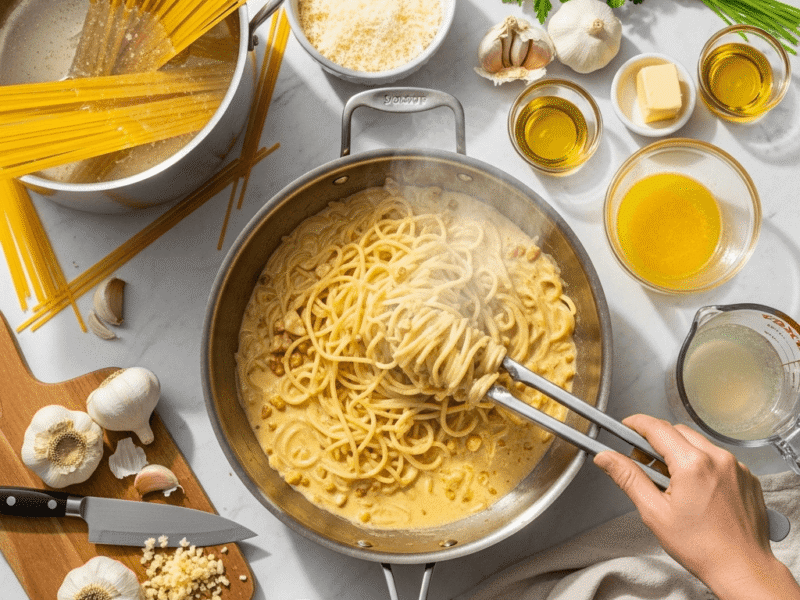
- Make the lemon butter sauce: In the same skillet, reduce heat to medium and add remaining 2 tablespoons butter. Once melted, add minced garlic and cook for 30-60 seconds until fragrant (don’t let it brown). Add lemon zest, lemon juice, and red pepper flakes if using.
- Combine everything: Add drained pasta to the skillet along with ½ cup reserved pasta water. Toss well to coat pasta in the lemon butter sauce. The starchy pasta water will help create a silky, cohesive sauce.
- Add cheese and asparagus: Remove skillet from heat. Add Parmesan cheese and toss until melted and creamy. Gently fold in the cooked asparagus. If the sauce seems too thick, add more pasta water a tablespoon at a time until you reach desired consistency.
- Season and serve: Taste and adjust seasoning with additional salt and pepper if needed. Divide among serving bowls and garnish with fresh parsley, extra Parmesan cheese, and a drizzle of olive oil if desired. Serve immediately while hot.
Notes
- Pasta water is key: The starchy water helps emulsify the butter and cheese into a smooth, clingy sauce. Don’t skip this step!
- Don’t overcook asparagus: It should be tender-crisp with a slight bite. Overcooked asparagus becomes mushy and loses its vibrant color.
- Work quickly: This dish is best served immediately while the sauce is hot and creamy.
- Adjust lemon to taste: Start with 3 tablespoons of juice and add more if you prefer a brighter, tangier flavor.
- Fresh Parmesan matters: Pre-grated cheese contains anti-caking agents that prevent smooth melting. Always grate fresh for best results.
- Prep Time: 5 minutes
- Cook Time: 15 minutes
- Category: Dinner, Main Course
- Method: Stovetop
- Cuisine: Italian-American
Nutrition
- Serving Size: 1 bowl (approximately 2 cups)
- Calories: 425
- Sugar: 3g
- Sodium: 280mg
- Fat: 18g
- Saturated Fat: 9g
- Unsaturated Fat: 7g
- Trans Fat: 0g
- Carbohydrates: 52g
- Fiber: 4g
- Protein: 15g
- Cholesterol: 35mg
Nutrition information is approximate and calculated per serving without optional ingredients.
Tips & Variations
Make it protein-packed: Add grilled chicken breast, sautéed shrimp, or pan-seared salmon for a heartier meal. Season your protein with lemon pepper for complementary flavors.
Vegetable variations: Swap asparagus with fresh peas, green beans, zucchini ribbons, cherry tomatoes, or spinach. You can also mix multiple vegetables for a primavera-style pasta.
Creamy version: Stir in ¼ cup heavy cream or mascarpone cheese for an extra luxurious, restaurant-style sauce.
Herb upgrades: Fresh dill, tarragon, or chives add wonderful spring flavors. Mix and match herbs based on what you have available.
Add crunch: Top with toasted pine nuts, slivered almonds, or homemade breadcrumbs for textural contrast.
Spicy kick: Double the red pepper flakes or add a pinch of cayenne pepper for more heat.
Vegan adaptation: Use vegan butter, nutritional yeast instead of Parmesan, and add a tablespoon of white miso for umami depth.
Gluten-free: Substitute with your favorite gluten-free pasta. Chickpea or lentil pasta adds extra protein too.
Mediterranean twist: Add sun-dried tomatoes, Kalamata olives, and capers for briny, tangy flavors.
Lighter version: Use half the butter and increase olive oil. Skip the Parmesan or use just a tablespoon for garnish.
Pro Chef Tips
Salt your pasta water generously: It should taste like the sea. This is your only chance to season the pasta from the inside out. Use about 1-2 tablespoons of salt per 4 quarts of water.
Start asparagus stems first: Add the thicker stem pieces to the pan 1-2 minutes before the tips. This ensures everything finishes cooking at the same time with perfect texture.
Emulsify like a pro: When adding pasta water to create the sauce, add it gradually while tossing constantly. This creates a silky, restaurant-quality emulsion rather than a greasy, separated sauce.
Use room temperature butter: Cold butter takes longer to melt and can cause the sauce to break. Let butter sit out for 15-20 minutes before cooking.
Finish with a knob of butter: For the glossiest, most luxurious sauce, swirl in an extra tablespoon of butter at the very end off the heat. This technique, called “mounting” the sauce, is a classic French culinary trick.
Reserve more pasta water than you think: Always keep at least a cup on hand. You can always pour it out, but you can’t get it back once it’s down the drain.
Don’t rinse your pasta: Rinsing removes the starch that helps the sauce cling. Drain and use immediately for best results.
Zest before juicing: It’s much easier to zest a whole lemon than trying to zest one that’s already been cut and juiced.
Taste as you go: Season throughout the cooking process rather than all at once at the end. This builds layers of flavor.
Warm your serving bowls: Run hot water in your serving bowls for a minute before plating. This keeps the pasta hotter longer—a restaurant trick that makes a noticeable difference.
Common Mistakes to Avoid
Overcooking the asparagus: Asparagus goes from perfectly crisp-tender to mushy and olive-colored very quickly. Watch it carefully and err on the side of slightly underdone—it will continue cooking from residual heat.
Not reserving pasta water: I can’t stress this enough! So many home cooks forget this crucial step. Set a measuring cup by the stove as a reminder before you start cooking.
Adding cheese to boiling sauce: If your sauce is too hot when you add Parmesan, it will clump and become grainy instead of melting smoothly. Always remove from heat first, let it cool for 30 seconds, then add cheese.
Using dried herbs instead of fresh: Dried herbs don’t provide the bright, vibrant flavors this dish needs. If you must use dried, reduce the amount by half and add dried basil or parsley at the beginning of cooking rather than as garnish.
Crowding the pan when sautéing asparagus: If your pan is too crowded, the asparagus will steam instead of sauté, resulting in soggy vegetables without any golden-brown caramelization. Work in batches if needed or use a larger pan.
Serving immediately on cold plates: Pasta cools quickly, and serving it on cold plates accelerates this. Warm your plates in a 200°F oven for a few minutes or run them under hot water.
Storage & Meal Prep
Refrigerator storage: Store leftover lemon butter asparagus pasta in an airtight container in the refrigerator for up to 3 days. The sauce may absorb into the pasta and seem less creamy, which is normal.
Reheating instructions: For best results, reheat gently in a skillet over medium-low heat with a splash of water, broth, or cream to revive the sauce. Microwave reheating works in a pinch—use 50% power and heat in 30-second intervals, stirring between each, until warmed through. Add a tablespoon of butter or olive oil to restore moisture.
Texture considerations: Asparagus will soften slightly after storage, but the flavors actually meld beautifully overnight. The lemon flavor may intensify, which most people find pleasant.
Portioning for meal prep: Divide into individual containers for easy grab-and-go lunches. Pack extra Parmesan cheese and red pepper flakes separately to refresh the flavors when reheating.
Shelf life: While the pasta is safe to eat for 3 days, the asparagus will be at its best texture within the first 2 days. The lemon flavor remains vibrant throughout the storage period.
Make-Ahead & Freezer Notes
Partial make-ahead: You can prep your ingredients several hours ahead—trim and cut asparagus, mince garlic, zest and juice lemons, and grate Parmesan. Store everything in separate containers in the refrigerator, then cook fresh when ready to eat. The actual cooking only takes 20 minutes.
Freezing cooked pasta: I don’t recommend freezing this dish after it’s fully assembled. The asparagus texture deteriorates significantly upon thawing, and the butter sauce tends to separate and become grainy.
Freezing components separately: If you want to prep ahead for freezing, you could freeze the cooked asparagus separately (blanched and shocked in ice water, then drained well). However, fresh asparagus is so quick to cook that freezing doesn’t save much time.
Best approach for meal planning: This recipe is so quick and uses mostly fresh ingredients, so it’s better suited for cooking fresh rather than making ahead. If you’re meal planning, simply do all your prep work on Sunday (trimming asparagus, mincing garlic, grating cheese) and store everything properly. Then you can assemble the dish in 20 minutes any night of the week.
Leftover transformation: If you do have leftovers and want to give them new life, transform them into a pasta frittata, add them to a spring vegetable soup, or toss cold pasta with additional lemon juice and olive oil for a pasta salad.
Serving Suggestions
This lemon butter asparagus pasta is wonderfully versatile and pairs beautifully with many accompaniments:
Protein additions: Serve alongside or topped with grilled chicken breast, pan-seared salmon, garlic butter shrimp, or Italian sausage for a complete meal. A simple herb-crusted white fish like halibut or cod also complements the bright lemon flavors perfectly.
Bread options: Serve with warm, crusty garlic bread, focaccia, or ciabatta for soaking up the delicious sauce. Garlic knots or cheesy breadsticks are also crowd-pleasers.
Fresh salads: Balance the richness with a crisp arugula salad dressed with lemon vinaigrette, a classic Caesar salad, or a simple mixed greens salad with balsamic dressing. Caprese salad with fresh mozzarella and tomatoes also makes a beautiful pairing.
Wine pairings: This dish pairs beautifully with crisp white wines like Pinot Grigio, Sauvignon Blanc, or a dry Vermentino. For red wine lovers, try a light-bodied Pinot Noir that won’t overpower the delicate flavors.
Vegetable sides: Even though asparagus is featured in the pasta, additional roasted vegetables like cherry tomatoes, bell peppers, or Brussels sprouts make excellent sides. Grilled zucchini or eggplant also works wonderfully.
For special occasions: Elevate the presentation by serving in shallow pasta bowls with extra lemon zest on top, a drizzle of high-quality olive oil, fresh herbs, and shaved Parmesan curls. Add a lemon wedge on the side for guests who want extra brightness.
Beverage pairings: Beyond wine, this pasta pairs well with sparkling water with lemon, Italian sodas, limoncello cocktails, or iced green tea with lemon.
FAQs Section
Q: Can I use frozen asparagus instead of fresh?
A: While you can technically use frozen asparagus in a pinch, I really don’t recommend it for this recipe. Frozen asparagus has a much softer, sometimes mushy texture and releases excess water that can make your sauce watery. If you absolutely must use frozen, thaw it completely, squeeze out all excess moisture with paper towels, and reduce the cooking time by half. However, fresh asparagus is essential for the best flavor and texture in this dish.
Q: Why does my sauce separate or look greasy?
A: Sauce separation usually happens when the butter and cheese aren’t properly emulsified with the starchy pasta water. The key is adding pasta water gradually while tossing constantly to create a smooth emulsion. Also, make sure your pan isn’t too hot when adding the cheese—remove it from heat, let it cool for 30 seconds, then add Parmesan and toss vigorously. The pasta water contains starches that act as a natural thickener and emulsifier, so don’t skip this crucial ingredient!
Q: How do I know when asparagus is perfectly cooked?
A: Perfect asparagus should be bright green, tender enough to pierce easily with a fork, but still have a slight firmness when you bite into it. It should bend slightly without snapping when you pick up a spear with tongs. Cooking time depends on thickness—thin spears take 3-4 minutes, medium spears take 4-5 minutes, and thick spears need 6-7 minutes. Start checking at the earlier end of these ranges to avoid overcooking.
Q: Can I make this recipe dairy-free or vegan?
A: Absolutely! Use vegan butter or increase the olive oil to 4 tablespoons total. For the Parmesan, substitute with nutritional yeast (use about 3 tablespoons) for a cheesy, umami flavor, or try a store-bought vegan Parmesan. Add a tablespoon of white miso paste to the sauce for extra depth and savory richness. The flavor profile changes slightly, but it’s still delicious!
Q: What’s the best way to trim asparagus?
A: The easiest method is to hold each spear at both ends and bend gently—it will naturally snap where the tender part begins and the woody part ends. Alternatively, line up your asparagus bunch on a cutting board and cut off about 1-2 inches from the bottom. For uniform presentation, you can also use a vegetable peeler to peel the bottom 2 inches of thick spears, making the entire stalk tender and edible.
Q: My sauce is too thick/too thin. How do I fix it?
A: Too thick? Add pasta water one tablespoon at a time while tossing until you reach the desired consistency. The sauce should lightly coat the pasta, not pool at the bottom of the bowl. Too thin? Continue cooking over medium heat for 1-2 minutes to reduce the liquid, or add an extra tablespoon of grated Parmesan which will help thicken the sauce as it melts.
Q: Can I use a different type of pasta?
A: Yes! While I recommend fettuccine or linguine for the classic presentation, almost any pasta shape works well. Try penne, rigatoni, or farfalle for shapes that catch the sauce. Angel hair or spaghetti work beautifully for a lighter version. Whole wheat pasta adds nuttiness, while chickpea or lentil pasta increases protein. Just follow the package cooking directions as different shapes and types have different cooking times.
Q: How can I make this recipe more filling without adding meat?
A: Try adding white beans (cannellini or great northern), chickpeas, or edamame for plant-based protein and fiber. Sun-dried tomatoes and artichoke hearts add substance and complex flavors. You can also increase the Parmesan to ¾ cup and add ¼ cup of mascarpone or cream cheese for a more substantial, creamy sauce. Finally, consider serving over a bed of wilted spinach or kale to add volume and nutrients without heaviness.
Conclusion
This Lemon Butter Asparagus Pasta is exactly what spring dinners should be—bright, fresh, easy, and absolutely delicious. Whether you’re cooking for your family on a busy weeknight or impressing guests at a casual dinner party, this recipe delivers every single time. The combination of tender asparagus, perfectly cooked pasta, and that incredible lemon butter sauce is simply irresistible.
What I love most about this recipe is how it proves that simple ingredients, when prepared with care, can create something truly special. You don’t need fancy techniques or hard-to-find ingredients—just fresh asparagus, good butter, quality pasta, and a few minutes of your time. The result is a restaurant-worthy dish that costs a fraction of what you’d pay dining out and tastes even better because you made it yourself.
I hope this recipe becomes a springtime staple in your home just like it is in mine. The bright lemon flavor, the tender-crisp asparagus, and that silky, buttery sauce coating every strand of pasta—it’s comfort food that doesn’t weigh you down. Perfect for those nights when you want something satisfying but still light and fresh.
Now it’s your turn! Give this Lemon Butter Asparagus Pasta a try and let me know what you think in the comments below. Did you add extra vegetables? Swap in a different protein? I’d love to hear about your variations and see your beautiful photos! Don’t forget to save this recipe to your Pinterest boards so you can find it easily when asparagus season rolls around. Tag me in your photos on social media—I always love seeing your creations! Happy cooking, friends! 🍋🌿