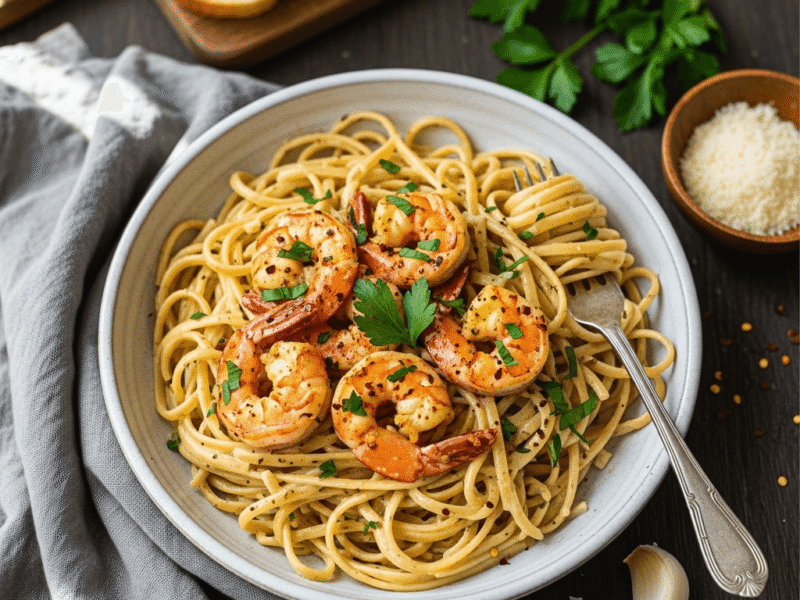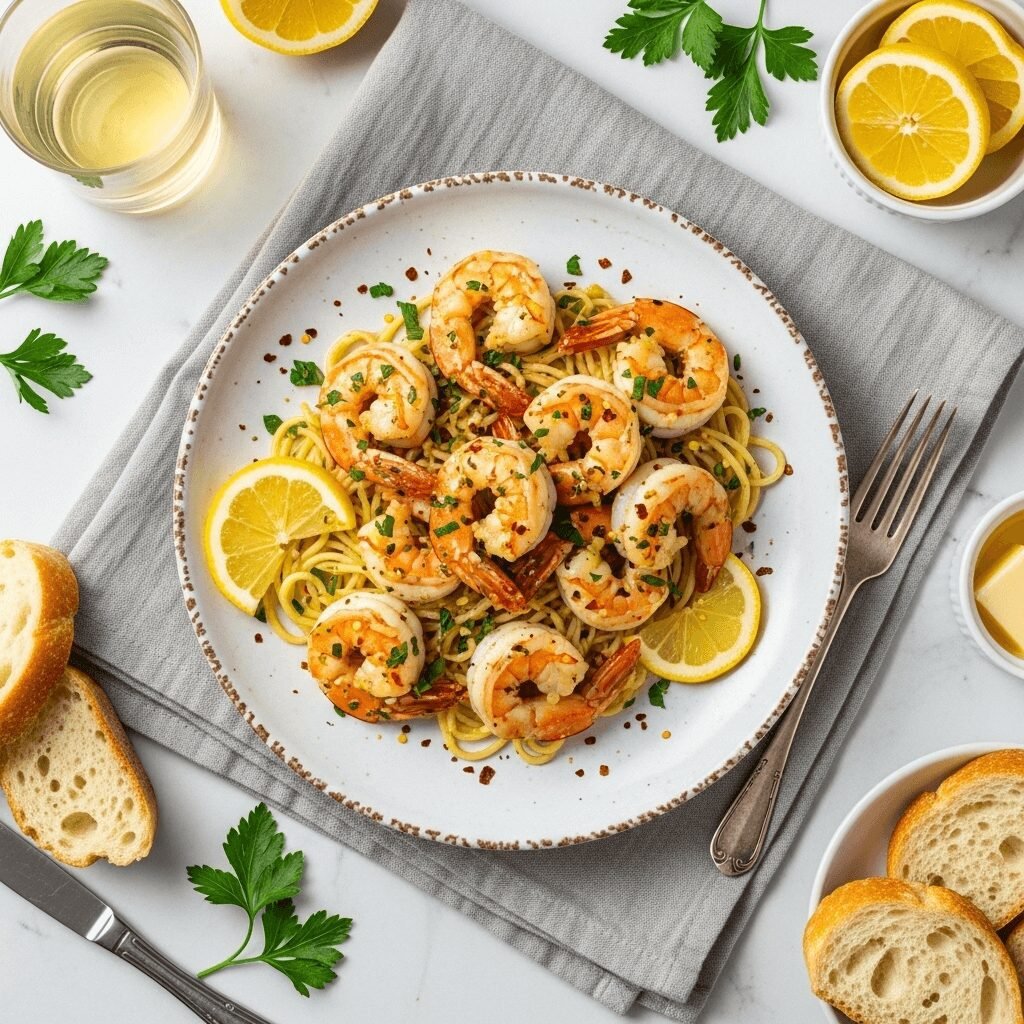

There’s something incredibly satisfying about a dish that looks and tastes like it came from a fancy restaurant but takes less time to make than ordering takeout. This Lemon Butter Shrimp Skillet is exactly that kind of recipe—elegant, flavorful, and ridiculously easy. Juicy shrimp are seared to perfection and bathed in a luscious lemon butter sauce with hints of garlic and fresh herbs. It’s the kind of meal that makes weeknight dinners feel special and impresses guests without keeping you stuck in the kitchen all evening.
Whether you’re cooking for your family on a busy Tuesday or planning a romantic dinner at home, this recipe delivers restaurant-quality results with minimal effort. The best part? You only need one skillet, which means less cleanup and more time to actually enjoy your meal. The bright, zesty flavors of lemon combined with rich, creamy butter create a sauce so good you’ll want to soak it up with crusty bread or serve it over pasta, rice, or even zucchini noodles.
This recipe has become a go-to in my kitchen, and I’m confident it’ll become one of yours too. It’s quick enough for those nights when you forgot to plan dinner, yet impressive enough to serve when you want to wow someone. Plus, shrimp cooks incredibly fast, which means you can have a complete, nutritious meal on the table in about 15 minutes from start to finish.
History / Background
Shrimp dishes prepared in butter and citrus have deep roots in coastal cuisines around the world, particularly in regions where fresh seafood is abundant. The classic combination of shrimp, butter, and lemon draws inspiration from Italian “Scampi” preparations, French “Crevettes au Beurre,” and American Southern coastal cooking traditions.
In Italian cuisine, shrimp scampi has been a beloved dish for generations, traditionally featuring prawns sautéed in garlic, white wine, and butter. When Italian immigrants brought their culinary traditions to America in the late 19th and early 20th centuries, the dish evolved to incorporate more readily available ingredients and American tastes. The addition of lemon became more prominent in American versions, adding brightness and helping to balance the richness of the butter.
Along the Gulf Coast and in Southern states like Louisiana, Georgia, and the Carolinas, shrimp has always been a dietary staple. Home cooks and chefs alike developed countless ways to prepare local shrimp, with simple butter-based preparations being among the most popular because they allowed the sweet, delicate flavor of fresh shrimp to shine through.
The skillet method itself represents the American love for one-pan meals—practical, efficient cooking that became especially popular in the mid-20th century when home cooks sought ways to create delicious meals without spending hours in the kitchen or dirtying multiple pots and pans. This recipe embodies that spirit of simplicity while delivering sophisticated flavors that celebrate the natural sweetness of shrimp enhanced by aromatic garlic, bright citrus, and rich butter.
Today, this style of preparation has become a favorite among home cooks nationwide, especially those who appreciate quick, healthy meals that don’t sacrifice flavor. The popularity of Mediterranean diets and the emphasis on lean proteins like shrimp have only increased this dish’s appeal in recent years.
Why You’ll Love This Recipe
This Lemon Butter Shrimp Skillet strikes the perfect balance between elegance and ease. It’s become one of my most-requested recipes because it checks every box: it’s quick, it’s delicious, it’s versatile, and it looks absolutely stunning on the plate.
Here’s why this recipe is a winner:
- Lightning-fast cooking time – From raw shrimp to dinner on the table in just 15 minutes total
- One-pan simplicity – Everything cooks in a single skillet, making cleanup a breeze
- Restaurant-quality flavor – Tastes like something you’d pay $25 for at a nice seafood restaurant
- Naturally low-carb and keto-friendly – Perfect for those watching their carb intake
- Budget-friendly elegance – Shrimp is surprisingly affordable, especially when bought frozen
- Impressive presentation – Looks fancy enough for date night or dinner guests
- Incredibly versatile – Serve it over pasta, rice, zoodles, or with crusty bread
- Packed with protein – Shrimp is a lean, nutritious protein source
- Customizable heat level – Easy to adjust spiciness to your preference
- Kid-approved – Even picky eaters tend to love buttery shrimp
- Meal prep friendly – Makes excellent leftovers for lunch the next day
- Naturally gluten-free – No modifications needed for gluten-sensitive diets
Ingredient Notes
Let’s talk about what goes into this beautiful dish. Each ingredient plays an important role in creating those complex, balanced flavors.
Shrimp: Use large or jumbo shrimp (16/20 or 21/25 count per pound) for the best results. You can use fresh or frozen—just make sure frozen shrimp are completely thawed and patted very dry before cooking. I prefer peeled and deveined for convenience, but leave the tails on if you want a more elegant presentation. Wild-caught shrimp generally has better flavor than farm-raised, but both work well.
Butter: Use real, unsalted butter—not margarine or spreads. Butter is essential for creating that rich, velvety sauce. Unsalted allows you to control the salt level in your dish. If you only have salted butter, just reduce the added salt accordingly.
Garlic: Fresh garlic is non-negotiable here. Minced garlic from a jar won’t give you the same vibrant, aromatic punch. Plan on using 4-5 large cloves, minced finely so they distribute evenly through the sauce.
Lemon: You’ll need both fresh lemon juice and lemon zest. Fresh is key—bottled lemon juice lacks the bright, complex flavor of fresh-squeezed. The zest adds incredible aromatic oils that make the dish smell amazing. Plan on 2 large lemons.
White Wine: A dry white wine like Sauvignon Blanc, Pinot Grigio, or Chardonnay adds depth and acidity. Don’t use cooking wine—use something you’d actually drink. If you prefer not to use alcohol, substitute with chicken broth plus an extra tablespoon of lemon juice.
Fresh Parsley: Italian flat-leaf parsley adds color and a fresh, herbaceous note. You can substitute with fresh basil for an Italian twist or cilantro for a more contemporary feel.
Red Pepper Flakes: Just a pinch adds subtle warmth without making the dish spicy. Adjust to your heat preference or omit entirely for sensitive palates.
Olive Oil: Used in combination with butter to prevent burning and add a hint of fruity flavor. Extra virgin olive oil works best.
Salt and Black Pepper: Essential for seasoning. Season the shrimp before cooking and adjust the sauce to taste at the end.
Equipment Needed
This recipe requires minimal equipment, which is part of its beauty. Here’s what you’ll need:
- Large skillet or sauté pan (12-inch works perfectly) – Stainless steel or cast iron is ideal for getting a nice sear on the shrimp
- Sharp knife for mincing garlic and chopping parsley
- Cutting board
- Measuring cups and spoons for precise measurements
- Microplane or zester for the lemon zest
- Citrus juicer (optional but helpful) for extracting lemon juice
- Tongs or spatula for flipping shrimp
- Paper towels for patting shrimp dry
- Small bowl for mixing seasonings (optional)
- Serving platter or individual plates
Lemon Butter Shrimp Skillet Recipe
- Total Time: 15 minutes
- Yield: 4 servings 1x
Description
This quick and easy Lemon Butter Shrimp Skillet features succulent shrimp sautéed in a rich, garlicky lemon butter sauce. Ready in just 15 minutes, this restaurant-quality dish is perfect for busy weeknights or elegant entertaining. Naturally low-carb and packed with flavor, it’s a versatile recipe that pairs beautifully with pasta, rice, or vegetables.
Ingredients
- 1½ pounds large shrimp, peeled and deveined (16/20 or 21/25 count)
- 4 tablespoons unsalted butter, divided
- 2 tablespoons olive oil
- 5 large cloves garlic, minced
- ½ cup dry white wine (or chicken broth)
- 3 tablespoons fresh lemon juice (from about 1-2 lemons)
- 1 tablespoon lemon zest (from about 1 large lemon)
- ¼ teaspoon red pepper flakes (adjust to taste)
- ½ teaspoon salt (plus more to taste)
- ¼ teaspoon freshly ground black pepper
- ¼ cup fresh parsley, chopped
- Lemon slices for garnish (optional)
Instructions
- Prepare the shrimp: Pat shrimp completely dry with paper towels. This is crucial for getting a nice sear. Season both sides with salt and pepper. Set aside.
- Heat the skillet: Heat a large skillet over medium-high heat. Add 2 tablespoons of butter and the olive oil. Once the butter melts and begins to foam, you’re ready to cook.
- Sear the shrimp: Add shrimp to the hot skillet in a single layer, making sure not to overcrowd (cook in batches if necessary). Cook for 2 minutes on the first side without moving them—this creates a beautiful golden sear. Flip and cook for 1-2 minutes on the second side until the shrimp are pink and just cooked through (they’ll curl into a “C” shape). Remove shrimp from the skillet and set aside on a plate.
- Create the sauce base: In the same skillet, reduce heat to medium. Add the minced garlic and red pepper flakes. Sauté for about 30-45 seconds until fragrant, being careful not to burn the garlic.
- Deglaze with wine: Pour in the white wine, scraping up any browned bits from the bottom of the pan with a wooden spoon. These bits add incredible flavor! Let the wine simmer for 2-3 minutes until reduced by about half.
- Build the lemon butter sauce: Add the lemon juice and lemon zest to the skillet. Stir to combine. Remove the pan from heat and add the remaining 2 tablespoons of butter, swirling the pan until the butter melts and creates a silky sauce.
- Finish the dish: Return the cooked shrimp to the skillet along with any accumulated juices. Toss gently to coat the shrimp in the sauce. Sprinkle with fresh chopped parsley and toss once more.
- Serve immediately: Transfer to a serving platter or individual plates. Garnish with lemon slices if desired. Serve hot with your choice of sides.
Notes
- Don’t overcook the shrimp: Shrimp cook very quickly and become rubbery when overcooked. They’re done when they turn pink and opaque and form a “C” shape. If they curl into a tight “O,” they’ve gone too far.
- Use dry shrimp: Moisture is the enemy of a good sear. Make sure shrimp are thoroughly patted dry before cooking.
- Wine substitute: If avoiding alcohol, use low-sodium chicken broth plus an extra tablespoon of lemon juice for acidity.
- Make it spicier: Double the red pepper flakes or add a pinch of cayenne pepper for extra heat.
- Scaling the recipe: This recipe easily doubles for a crowd. Just use two skillets or cook in batches.
- Prep Time: 5 minutes
- Cook Time: 10 minutes
- Category: Dinner, Main Course
- Method: Stovetop, Skillet
- Cuisine: American, Italian-Inspired
Nutrition
- Serving Size: About 6 ounces (approximately 6-7 large shrimp with sauce)
- Calories: 285
- Sugar: 0.5g
- Sodium: 485mg
- Fat: 17g
- Saturated Fat: 8g
- Unsaturated Fat: 7g
- Trans Fat: 0g
- Carbohydrates: 4g
- Fiber: 0.5g
- Protein: 25g
- Cholesterol: 265mg
Note: Nutrition information is approximate and will vary based on specific ingredients used and portion sizes.
Tips & Variations
This recipe is wonderfully adaptable. Here are some of my favorite ways to customize it:
Add vegetables: Toss in halved cherry tomatoes, fresh spinach, or asparagus pieces during the last minute of cooking for added nutrition and color. Zucchini ribbons or thinly sliced bell peppers also work beautifully.
Make it creamy: Stir in 2-3 tablespoons of heavy cream or half-and-half after adding the butter for a richer, creamier sauce. You can also add a tablespoon of cream cheese for extra decadence.
Try different herbs: Swap parsley for fresh basil, dill, or cilantro depending on your flavor preferences. Fresh thyme or oregano add a more Mediterranean feel.
Add heat: Beyond red pepper flakes, try adding diced jalapeños, a splash of hot sauce, or some Calabrian chili paste for a spicier version.
Make it dairy-free: Substitute the butter with additional olive oil or use vegan butter. The flavor will be slightly different but still delicious.
Protein swap: This same preparation works beautifully with scallops, chunks of firm white fish like halibut or cod, or even chicken breast cut into strips (adjust cooking time accordingly for chicken).
Citrus variations: Try using lime instead of lemon for a different twist, or use a combination of lemon and orange for a sweeter, more complex citrus profile.
Add capers: A tablespoon of drained capers adds a briny, sophisticated note that pairs perfectly with the lemon and butter.
Pro Chef Tips
Want to take this dish from great to exceptional? Here are some professional techniques:
Temperature matters: Make sure your skillet is properly preheated before adding the shrimp. You should see the butter foaming actively. If the pan isn’t hot enough, the shrimp will steam instead of sear, and you’ll miss out on that beautiful caramelization.
Don’t overcrowd the pan: Shrimp need space to sear properly. If they’re touching, they’ll release moisture and steam each other instead of getting that golden crust. Cook in batches if necessary—it’s worth the extra minute.
Reserve pasta water: If serving over pasta, save about ½ cup of the starchy pasta cooking water. A few tablespoons added to the sauce helps it cling to the pasta and creates a more cohesive dish.
Finish with cold butter: Adding the final butter off the heat and swirling (rather than stirring) creates an emulsified, silky sauce through a technique called “mounting” with butter. This gives you that glossy, restaurant-quality finish.
Use compound butter: Make lemon-herb butter ahead of time by mixing softened butter with lemon zest, minced garlic, and herbs. Use this instead of plain butter for even more intense flavor in less time.
Toast your garlic carefully: The 30-45 seconds for garlic is critical. Burned garlic tastes bitter and acrid. If it starts to brown too quickly, immediately add the wine to stop the cooking.
Quality shrimp matters: Wild-caught Gulf shrimp or Pacific white shrimp typically have the best flavor. Check for “dry” shrimp rather than those treated with sodium tripolyphosphate, which can make them taste soapy.
Common Mistakes to Avoid
Learn from the mishaps I’ve seen (and made!) over the years:
Mistake #1: Using wet shrimp. Shrimp that aren’t properly dried will never sear correctly. They’ll steam in their own moisture, turning gray and rubbery instead of golden and tender. Always pat them completely dry with paper towels before seasoning.
Mistake #2: Overcooking the shrimp. This is the most common error. Shrimp cook in literally 2-3 minutes total. Overcooked shrimp become tough and chewy. Remove them from heat as soon as they turn pink and curl into a loose “C” shape.
Mistake #3: Using bottled lemon juice. Fresh lemon juice makes a massive difference in this recipe. Bottled versions taste flat and artificial and lack the aromatic oils that make this dish special. Always use fresh lemons.
Mistake #4: Burning the garlic. Garlic can go from perfectly aromatic to bitter and burned in seconds. Watch it carefully and immediately add the wine if it starts browning too quickly. When in doubt, cook it less rather than more.
Mistake #5: Skipping the wine deglazing step. Those browned bits stuck to the bottom of the pan (called fond) contain concentrated flavor. Deglazing with wine dissolves them into the sauce, adding incredible depth. Don’t skip this step, even if you substitute the wine with broth.
Storage & Meal Prep
While this dish is best enjoyed fresh, here’s how to handle leftovers:
Refrigerator storage: Transfer cooled shrimp and sauce to an airtight container. Store in the refrigerator for up to 2 days. The butter sauce may solidify when cold, which is normal.
Reheating: The key to reheating shrimp is using gentle heat to avoid overcooking. Place shrimp and sauce in a skillet over low heat, adding a splash of chicken broth or water if the sauce seems too thick. Heat just until warmed through, about 2-3 minutes. You can also reheat gently in the microwave at 50% power in 30-second intervals, stirring between each interval.
Meal prep tips: If meal prepping, I recommend cooking your base (like rice or pasta) ahead of time and making the shrimp fresh. However, if you must prep the shrimp in advance, slightly undercook them and store separately from the sauce. Combine and reheat gently when ready to serve.
Sauce separation: If your sauce separates after storage, don’t worry. Gently reheat while whisking, and it should come back together. Adding a tiny bit of butter while reheating can help re-emulsify the sauce.
Make-Ahead & Freezer Notes
This recipe is quick enough that I don’t typically make it ahead, but here are options if you need to prep in advance:
Make-ahead strategies: You can prep your ingredients the night before—peel and devein shrimp, mince garlic, zest and juice lemons, chop parsley—and store everything in separate containers in the fridge. This makes the actual cooking time even faster.
Freezing raw prepared shrimp: If you’ve bought fresh shrimp and won’t use them immediately, season them, then freeze in a single layer on a baking sheet. Once frozen, transfer to a freezer bag. These can go straight from freezer to skillet, though they’ll release more moisture, so ensure the pan is very hot.
Freezing cooked dish: I don’t recommend freezing the finished dish. Shrimp can become rubbery when frozen and reheated, and butter-based sauces often break and separate after freezing. If you must freeze leftovers, use within 1 month and expect some texture changes.
Thawing frozen shrimp: If using frozen shrimp, thaw them overnight in the refrigerator or quick-thaw by placing sealed shrimp in a bowl of cold water for 15-20 minutes. Never use hot water or the microwave, as this can partially cook the shrimp unevenly.
Serving Suggestions
This versatile dish pairs beautifully with so many sides. Here are my favorite combinations:
Pasta options: Toss with angel hair, linguine, or fettuccine. The light, buttery sauce coats pasta beautifully. Fresh pasta cooks in just 2-3 minutes and tastes incredible with this dish.
Rice and grains: Serve over fluffy white rice, brown rice, cauliflower rice for low-carb, quinoa, or creamy risotto. The sauce soaks into rice perfectly, and every bite is flavorful.
Vegetable sides: Pair with roasted asparagus, sautéed green beans, steamed broccoli, grilled zucchini, or a crisp Caesar salad. Garlicky roasted Brussels sprouts also complement the lemon beautifully.
Bread for soaking: Crusty French bread, garlic bread, or focaccia is essential for soaking up every drop of that incredible sauce. Don’t let any of that buttery goodness go to waste!
Low-carb options: Serve over zucchini noodles (zoodles), spaghetti squash, or shirataki noodles. You can also serve it simply with a large mixed green salad for a light, healthy meal.
Wine pairings: A crisp Sauvignon Blanc, unoaked Chardonnay, or Pinot Grigio complements the lemon and butter perfectly. For non-alcoholic options, try sparkling water with lemon or a crisp white grape juice.
Complete meal ideas: For a restaurant-worthy dinner at home, start with a simple arugula salad, serve the shrimp over pasta or rice with roasted vegetables on the side, and finish with a light dessert like lemon sorbet or panna cotta.
FAQs Section
Q: Can I use frozen shrimp for this recipe?
A: Absolutely! Frozen shrimp works perfectly well. Just make sure to thaw them completely (overnight in the fridge is best) and pat them very dry before cooking. Frozen shrimp are often flash-frozen right after being caught, so they can actually be fresher than “fresh” shrimp that’s been sitting at the fish counter.
Q: What size shrimp should I buy?
A: I recommend large or jumbo shrimp, labeled as 16/20 or 21/25 (which means 16-20 or 21-25 shrimp per pound). These sizes are substantial enough to get a nice sear without overcooking and feel more impressive on the plate. Avoid small shrimp, as they cook in under a minute and are very easy to overcook.
Q: Do I need to devein shrimp?
A: The “vein” is actually the shrimp’s digestive tract. While it’s safe to eat, it can sometimes contain grit and has an unpleasant texture. Most shrimp sold in stores comes already deveined. If yours aren’t, use a small paring knife to make a shallow cut along the back and pull out the dark vein.
Q: Can I make this without wine?
A: Yes! Substitute the white wine with low-sodium chicken broth or vegetable broth. Add an extra tablespoon of lemon juice to compensate for the acidity the wine would have provided. The flavor will be slightly different but still delicious.
Q: How do I know when shrimp are done cooking?
A: Shrimp are done when they turn from translucent gray to opaque pink/white and curl into a loose “C” shape. This happens quickly—usually within 2-3 minutes total. If they curl tightly into an “O” shape, they’re overcooked. When in doubt, slightly undercook them since they’ll continue cooking briefly after you remove them from heat.
Q: Why did my shrimp turn out rubbery?
A: Rubbery shrimp are almost always the result of overcooking. Shrimp cook extremely fast, and even 30 seconds too long can make them tough. Use a timer and remove them from heat as soon as they’re just opaque. Also, make sure your pan is hot enough—if shrimp steam instead of sear, they can become rubbery.
Q: Can I double this recipe for a dinner party?
A: You can, but I recommend using two skillets instead of doubling everything in one pan. If you overcrowd a single skillet, the shrimp will steam rather than sear. Alternatively, cook the shrimp in batches in one skillet, setting cooked shrimp aside, then make the sauce and toss everything together at the end.
Q: Is this recipe healthy?
A: Yes! Shrimp is a lean protein that’s low in calories and high in nutrients like selenium, vitamin B12, and omega-3 fatty acids. While this recipe does contain butter, it’s divided among four servings, making it reasonable. If you’re watching fat intake, you can reduce the butter to 2-3 tablespoons total and the dish will still be flavorful.
Conclusion
This Lemon Butter Shrimp Skillet has earned its place as one of my most-loved weeknight recipes, and I truly hope it becomes one of yours too. There’s something magical about a dish that’s this simple yet delivers such impressive results. The combination of tender, perfectly cooked shrimp bathed in that bright, buttery, garlicky sauce is absolutely irresistible.
What I love most about this recipe is how it proves that cooking restaurant-quality food at home doesn’t have to be complicated or time-consuming. With just a handful of fresh ingredients and 15 minutes, you can create something that tastes like it took hours and costs a fraction of what you’d pay dining out.
Whether you’re making this for a quick Tuesday night dinner, meal prepping for the week ahead, or impressing guests at your next dinner party, I know this Lemon Butter Shrimp Skillet will deliver. The versatility alone makes it a recipe you’ll return to again and again—try it over pasta one night, with crusty bread the next, and over zoodles when you’re craving something lighter.
I’d love to hear how this recipe works out for you! Did you add any creative twists? What did you serve it with? Leave a comment below sharing your experience, and if you loved it, please consider sharing this recipe on Pinterest so other home cooks can discover it too. Happy cooking, and here’s to many delicious, stress-free dinners ahead!
Pin this recipe to save it for later, and follow me on Pinterest for more quick and delicious dinner ideas!